Fire Safety Storage Cabinet
Safe chemical storage is a basic requirement in laboratories, pilot plants, and industrial work areas where flammable liquids or corrosive substances are handled every day. A well-matched Fire Safety Storage Cabinet helps reduce risk during normal operation while also supporting safer containment in the event of heat exposure or fire.
On this category page, you can explore cabinet options designed for different storage volumes, installation spaces, and chemical handling needs. The range includes compact under-bench units as well as larger floor-standing models for higher-capacity storage in technical and laboratory environments.
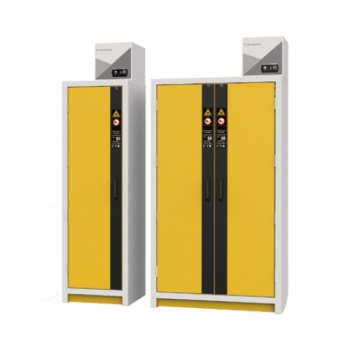
Built for safer storage of hazardous chemicals
Fire-rated storage cabinets are used to separate hazardous materials from the surrounding workspace and to provide a protected storage zone for containers, bottles, and chemical packages. In practice, they are commonly selected for flammable liquids, acids, corrosives, or other substances that require controlled segregation and safer day-to-day handling.
Many users compare cabinets by fire resistance class, internal volume, door configuration, shelf arrangement, and installation format. In this category, the available product examples include both Type 30 and Type 90 cabinets, which can be relevant when aligning storage equipment with site safety procedures and local compliance expectations.
Common cabinet formats in this range
One of the first selection points is physical layout. Under-bench cabinets are often chosen where floor space is limited and chemical storage needs to remain close to a workstation. For example, the DaiHan SCF90-100 and SCF90-200 models illustrate compact under-bench configurations suited to lower storage volumes while keeping hazardous materials integrated into the lab layout.
Floor-type cabinets are more suitable when a larger number of containers must be stored centrally. Models such as the DaiHan SCF90-300, SCF90-400, and SCF90-700, along with JEIOtech cabinets in larger capacities, show how this format supports higher volume storage with multi-shelf arrangements and more vertical internal space.
If your storage plan also includes moving chemical containers safely between rooms or preparation areas, related handling equipment such as carts and trolleys can complement cabinet-based storage in a practical workflow.
Examples from JEIOtech and DaiHan
This category features representative solutions from JEIOtech and DaiHan, two manufacturers frequently considered for laboratory safety storage applications. Their products in this range cover compact cabinets for smaller rooms as well as larger units for central chemical storage points.
From JEIOtech, examples include the SC3-30F-0806D1D-C, SC3-30F-1906D1-C, and SC3-30F-1912D2-C for Type 30 storage, together with Type 90 options such as the SC3-90F-0806D1D-C, SC3-90F-0812D2D-C, and SC3-90F-1906D1-C. From DaiHan, the SCF90 series demonstrates a clear range from smaller under-bench cabinets to large floor-standing models intended for acids and corrosives, with capacities extending up to 720 L in the examples shown here.
Rather than focusing only on brand or model name, it is usually more useful to compare installation type, usable internal capacity, shelf loading, and how the cabinet fits your chemical segregation plan.
How to choose the right fire safety storage cabinet
A practical selection process starts with the type of chemical being stored. Flammable solvents, acids, and corrosive substances may require different storage approaches, so the first step is confirming the cabinet is appropriate for the material category and your site’s internal safety rules.
The next factor is storage volume. Smaller capacities around 100 to 120 L may be suitable for point-of-use storage, while cabinets above 300 L or 700 L are more aligned with central storage needs or labs with broader chemical inventories. Internal dimensions, shelf quantity, and shelf load matter because actual bottle sizes and packaging formats often determine usable capacity more than the headline volume alone.
You should also consider room layout, ventilation planning, and access frequency. Self-closing doors, drawer-style or shelf-based access, and vent locations can all affect daily usability. In busy environments, surrounding safety measures such as protective laboratory apparel are also part of the broader risk-control setup.
Key features that matter in daily operation
For many buyers, fire resistance rating is only one part of the decision. Daily use often depends just as much on details such as door opening style, visibility of stored containers, ease of shelf adjustment, and whether the cabinet can be positioned under a bench or installed as a standalone floor unit.
Several product examples in this category include features such as self-closing doors, multiple shelves, defined shelf load limits, and vent openings. Some JEIOtech models also indicate optional accessories such as extraction modules or additional storage elements, which may be relevant for users planning a more complete storage system around the cabinet.
Material construction is also important in laboratory settings. The listed cabinets show combinations of coated steel exteriors and specialized internal or insulating structures intended to support fire-resistant performance and safer chemical storage conditions.
Typical application environments
Fire safety storage cabinets are commonly used in analytical laboratories, research laboratories, university facilities, industrial quality control rooms, chemical preparation areas, and pilot production spaces. In each case, the goal is similar: keep hazardous materials organized, separated, and stored in a way that supports safer handling and more controlled risk management.
They are especially useful where chemicals must remain near the point of use but cannot be left on open shelving. Under-bench models can support compact bench-side workflows, while larger floor-standing cabinets are better for dedicated storage zones where teams need organized access to multiple containers and material groups.
In some labs, storage planning is part of a wider equipment ecosystem that may include other utility items and specialized brand-specific accessories, including selected DaiHan laboratory equipment where a consistent setup is preferred.
Choosing with compliance and workflow in mind
When reviewing options, it is important to balance regulatory considerations with real operating conditions. A cabinet that looks large on paper may not be ideal if container sizes, shelf access, or installation constraints reduce usable space. Likewise, a compact cabinet may be efficient for daily work if it matches the quantity and type of chemicals actually stored at the bench.
For procurement teams and lab managers, it is often helpful to shortlist by chemical class, fire resistance type, capacity range, and installation style first, then compare specific models. The examples in this category provide a useful starting point for that process, from smaller JEIOtech Type 30 and Type 90 cabinets to larger DaiHan floor-type units for corrosive storage.
Find a cabinet that fits your storage plan
The right fire safety cabinet should support both protection and usability: enough capacity for your chemical inventory, a layout that fits the room, and a rating aligned with your internal safety framework. Whether you need a compact under-bench unit or a large floor-standing cabinet, this category brings together options that can serve different laboratory and industrial storage scenarios.
By comparing cabinet type, usable volume, access design, and intended application, buyers can make a more informed choice for safer chemical storage over the long term.
Get exclusive volume discounts, bulk pricing updates, and new product alerts delivered directly to your inbox.
By subscribing, you agree to our Terms of Service and Privacy Policy.
Direct access to our certified experts