Fuels testing
Reliable fuel quality data is essential in refineries, terminals, commercial laboratories, power generation, and industrial maintenance. When teams need to verify properties such as distillation behavior, octane or cetane-related performance, oxidation stability, or low-temperature characteristics, the right test equipment helps turn laboratory procedures into repeatable, decision-ready results. This Fuels testing category brings together instruments used to evaluate petroleum products, biofuels, and related fluid samples across routine quality control and standards-based analysis.
Where fuel testing fits in the lab workflow
Fuel analysis is not limited to one parameter. In practice, laboratories often need to check volatility, combustion-related indices, oxidation resistance, contamination risk, or behavior at low temperatures. That is why this category includes a broad mix of analyzers rather than a single instrument type.
Depending on the sample and test objective, users may work with automated distillation systems, portable analyzers for rapid field screening, oxidation stability instruments, or specialized testers for asphalt and bitumen-related materials. For applications that also require adjacent methods, readers may also explore flash testing equipment for complementary flammability evaluation.
Typical instrument groups in this category
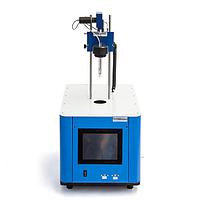
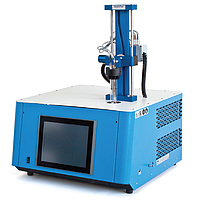
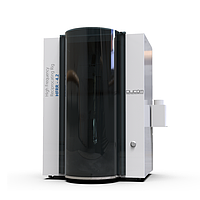
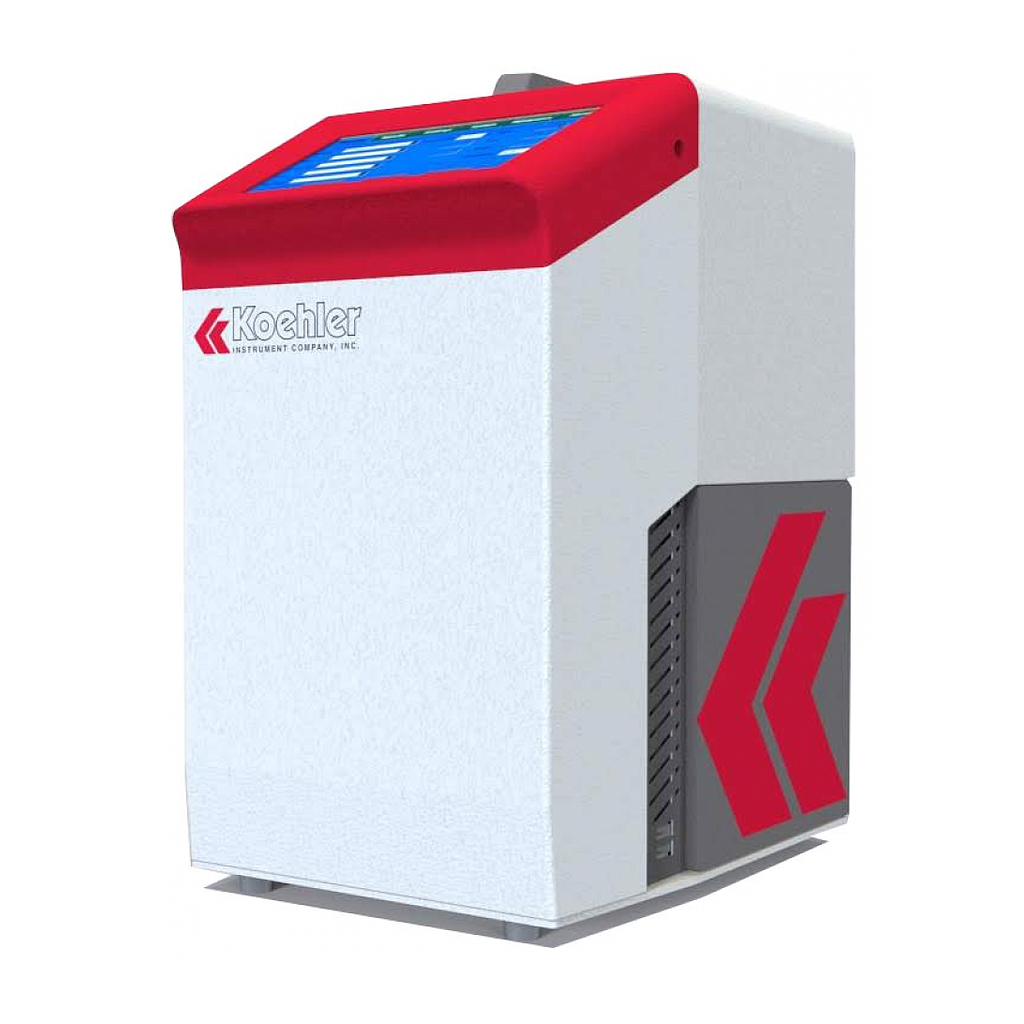
One important group is atmospheric distillation analyzers, used to characterize how fuel fractions evaporate under controlled conditions. Instruments such as the Anton Paar Diana 300, Anton Paar Diana 700, and Koehler MiscSalePD Automatic Atmospheric Distillation Tester are relevant when laboratories need automated handling, temperature control, and result consistency for standards-based distillation work.
Another group focuses on fast screening and condition assessment. The Koehler K88629 Enhanced Portable Fuel Analyzer is an example of a compact analyzer designed for quick evaluation of fuel properties using optical measurement principles. This type of instrument is useful when a lab or field team needs faster turnaround without the complexity of a full bench setup.
The category also covers oxidation and thermal stability measurement systems. Metrohm instruments such as the 892 Professional Rancimat, 893 Professional Biodiesel Rancimat, and 895 Professional PVC Thermomat support stability-related testing where controlled heating, airflow, and conductivity-based evaluation are important to product quality or shelf-life studies.
Examples of fuel-related testing applications
In petroleum laboratories, atmospheric distillation testing is commonly used to understand boiling range distribution and product behavior during handling, storage, and use. It supports quality control for gasoline, solvents, middle distillates, and similar products where volatility profile matters for compliance and performance.
Octane- and cetane-related screening is especially valuable when checking incoming product, validating blending consistency, or comparing samples against expected quality levels. A portable instrument such as the Koehler K88629 can be useful in workflows that need quicker sample turnaround and data transfer to a PC for reporting or traceability.
Fuel stability testing becomes more important when dealing with biodiesel, blended fuels, or products exposed to storage and thermal stress. In those cases, equipment from Metrohm can support oxidation stability studies, while low-temperature tools such as the Samyon 510F1 Multifunctional Low-temp. Tester may be relevant where pour point, cloud point, or cold-flow behavior affects product usability.
How to choose the right fuel testing equipment
The first step is to match the instrument to the test method and the property you actually need to measure. If the workflow is built around established distillation procedures, a dedicated automated distillation analyzer will generally be more suitable than a general-purpose screening device. If the priority is rapid field or receiving inspection, a portable analyzer may be the better fit.
Next, consider sample throughput, automation level, and data handling. Some labs need compact systems for occasional testing, while others need instruments that can store many results, support multiple methods, or connect with printers, USB devices, or laboratory information systems. These factors often matter as much as the measurement principle itself.
Users should also review operating conditions such as temperature control range, power requirements, sample volume, and maintenance expectations. For broader sample preparation or supporting lab workflows, related categories like glass apparatus for ASTM methods may also be useful depending on the test setup.
Representative brands and product ecosystem
This category includes equipment from established manufacturers used in fuel and petroleum product testing. Anton Paar is represented by automated atmospheric distillation analyzers such as the Diana 300 and Diana 700, which are suited to laboratories looking for controlled, standards-oriented distillation workflows.
Koehler appears in both portable and laboratory-based configurations, including the K88629 Enhanced Portable Fuel Analyzer and the MiscSalePD Automatic Atmospheric Distillation Tester. These examples show the range from rapid screening to dedicated bench instrumentation within the same broader testing environment.
The category also features Metrohm, CS Instruments, and Samyon products for applications that extend beyond basic fuel classification into stability, residual oil monitoring, and related petroleum material testing. This wider ecosystem is useful for facilities that manage multiple test points across production, quality assurance, storage, and maintenance.
Beyond conventional fuels: related monitoring and specialty tests
Not every application in this category is limited to gasoline or diesel characterization. The CS Instruments OIL CHECK 500 sensor and OIL CHECK 500 monitoring system focus on residual oil vapor measurement in compressed air and gas systems. In industrial environments, this kind of monitoring can be important where air quality affects process integrity, downstream equipment, or product contamination risk.
For heavier petroleum materials and road construction applications, the Samyon 4508C Bitumen Ductility Tester and Samyon 0610 Asphalt Thin Film Oven support testing linked to material behavior, conditioning, and performance evaluation. These instruments broaden the category so it can serve users working across both liquid fuel testing and petroleum-derived material analysis.
What matters in day-to-day operation
In routine use, laboratories often value repeatability, operator safety, and straightforward method execution as much as headline specifications. Features such as automated corrections, stable temperature control, integrated sensors, and built-in result storage can reduce variability between shifts or operators.
Traceability and reporting are also practical concerns. Instruments with printer support, USB connectivity, or software-assisted data management help teams document results more efficiently, especially where auditability or comparison against reference methods is important. For labs building a more complete workflow around fuel sample handling, nearby categories such as air drying equipment can support related preparation or conditioning tasks.
Finding a suitable setup for your testing scope
The best equipment choice depends on whether your priority is standards-based distillation, portable fuel screening, oxidation stability measurement, low-temperature behavior, or monitoring of oil contamination in compressed gases. A small QC lab may need a focused instrument for one method, while a larger facility may build a broader test capability around several complementary systems.
By combining automated analyzers, portable instruments, and specialized stability or low-temperature testers, this category supports a practical range of fuel and petroleum testing needs. Reviewing the intended test method, sample type, workflow volume, and reporting requirements will usually narrow the selection quickly and lead to a setup that fits real laboratory use rather than a generic specification list.
Get exclusive volume discounts, bulk pricing updates, and new product alerts delivered directly to your inbox.
By subscribing, you agree to our Terms of Service and Privacy Policy.
Direct access to our certified experts