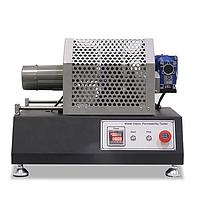
Water Vapor Transmission Rate Test System
Controlling moisture transfer is a critical part of packaging development, material qualification, and product shelf-life evaluation. When a barrier film, laminate, or finished pack does not perform as expected, even small variations in water vapor transmission can affect product stability, appearance, and storage performance. This is why many laboratories and manufacturing environments rely on dedicated test systems to measure vapor permeability under controlled conditions.
Water Vapor Transmission Rate Test System solutions are used to evaluate how much water vapor passes through a material over time. In industrial practice, these systems help teams compare packaging structures, verify incoming materials, support R&D work, and maintain consistency in quality control. They are especially relevant where moisture-sensitive products, barrier packaging, or regulated testing procedures are part of the workflow.
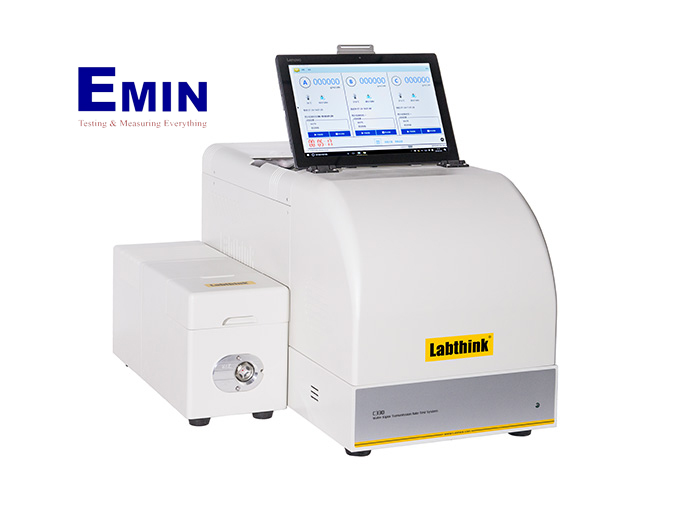
Why WVTR testing matters in industrial and laboratory environments
Water vapor transmission rate testing is important because moisture movement directly influences the protective function of many packaging and material systems. A film that appears mechanically sound may still allow too much vapor to pass through, which can reduce product life or compromise storage conditions. Measuring this characteristic provides a more complete view of real barrier performance.
In practice, WVTR data is often used during material comparison, supplier validation, and product development. It is also relevant when packaging engineers need to balance protection, cost, processability, and sustainability targets. For applications where oxygen barrier is also a concern, users may also review an oxygen permeation system as part of a broader barrier testing strategy.
What a water vapor transmission rate test system is designed to evaluate
A WVTR test system is built to quantify the passage of water vapor through a test specimen under defined conditions. Depending on the method and test setup, the instrument can support assessment of films, sheets, laminates, coated materials, membranes, and in some cases finished packaging components. The goal is not only to produce a numerical result, but also to create repeatable conditions for meaningful comparison across samples.
Reliable testing depends on stable control of parameters such as humidity, temperature, exposure conditions, and specimen preparation. For that reason, users selecting a system typically look beyond the headline measurement function and consider day-to-day repeatability, ease of operation, and suitability for the materials being tested. In many labs, this category sits alongside other mechanical and physical testing equipment used for material characterization and validation.
Common applications across packaging and material testing
These systems are widely used in packaging, plastics, flexible materials, coatings, medical packaging, and research laboratories. Any application where moisture barrier is critical can benefit from structured WVTR testing, especially when product sensitivity or long storage periods increase the impact of environmental exposure. Test results can support packaging design changes, process optimization, and compliance-oriented documentation.
In development work, WVTR testing is often used to compare multilayer constructions, coating technologies, and material thickness options. In routine quality control, the same type of system can help identify lot-to-lot variation before materials move into production. Where moisture barrier performance is central to the evaluation process, users may also explore related water vapor transmission rate test system options across different configurations and lab requirements.
How to choose the right system for your testing workflow
Selecting the right instrument starts with the samples you need to test and the decisions the data must support. Some laboratories prioritize research flexibility, while others need a robust platform for repetitive QC work. The most suitable choice usually depends on sample type, expected barrier range, throughput requirements, environmental control needs, and how results will be documented within the lab process.
It is also useful to think about specimen mounting, calibration workflow, operator training, and compatibility with established internal test methods. A system that fits well into the actual lab routine often delivers better long-term value than one chosen only for a narrow specification point. For facilities building a wider materials lab, supporting equipment such as furnaces may also be relevant depending on sample preparation or broader physical testing needs.
Representative manufacturer in this category
This category includes solutions from Roxer, a manufacturer associated with specialized testing equipment. When evaluating any manufacturer offering in this field, buyers typically focus on measurement stability, practical usability, service support, and the fit between instrument capability and internal test procedures. That approach is often more useful than comparing product names alone.
Because barrier testing programs can vary significantly between R&D, packaging development, and production QA teams, the best match is usually the one that aligns with the intended workflow rather than the broadest generic feature list. Reviewing the available Roxer product range can help users understand the brand context when building or expanding a test setup.
Role of test data in quality control and product development
Barrier performance data is valuable only when it can be used confidently in decision-making. In product development, WVTR results help engineers compare candidate materials and understand how structural changes affect moisture protection. In quality control, the same data supports release decisions, supplier monitoring, and investigation of unexpected packaging performance in the field.
Consistent testing also improves communication between purchasing, engineering, QA, and external suppliers. Instead of relying on assumptions about material performance, teams can work from measured values generated under controlled conditions. This makes the category particularly relevant for organizations that need traceable, repeatable information on moisture transmission and material barrier behavior.
Final considerations for buyers and lab users
Choosing a water vapor transmission rate test system is ultimately about matching the instrument to the materials, test methods, and reporting needs of your operation. A suitable platform should support dependable results, practical day-to-day use, and enough consistency to compare samples over time without unnecessary complexity.
Whether the goal is packaging development, routine QC, or broader material evaluation, this category provides a focused starting point for teams that need controlled and repeatable water vapor barrier testing. Reviewing available systems in context with your samples, throughput, and lab workflow will make it easier to identify the most appropriate solution.
Get exclusive volume discounts, bulk pricing updates, and new product alerts delivered directly to your inbox.
By subscribing, you agree to our Terms of Service and Privacy Policy.
Direct access to our certified experts