Ultrasonic Thickness Gages
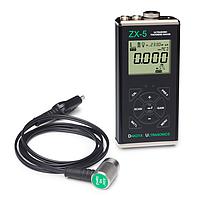
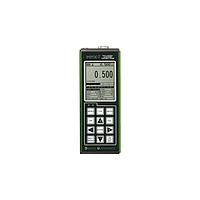
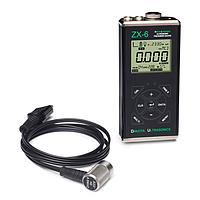
When wall loss, corrosion, or remaining material thickness must be checked without cutting into the part, ultrasonic measurement is often the practical choice. Ultrasonic Thickness Gages are widely used in maintenance, fabrication, inspection, and quality control because they help verify thickness from one accessible side of the material while keeping the test non-destructive.
On this page, you can explore instruments for general thickness measurement, pipe and curved-surface inspection, high-temperature applications, and related accessories such as probes and calibration standards. The category is especially relevant for users working with steel, aluminum, plastics, glass, ceramics, and other homogeneous materials where reliable thickness data supports safer operation and better process control.
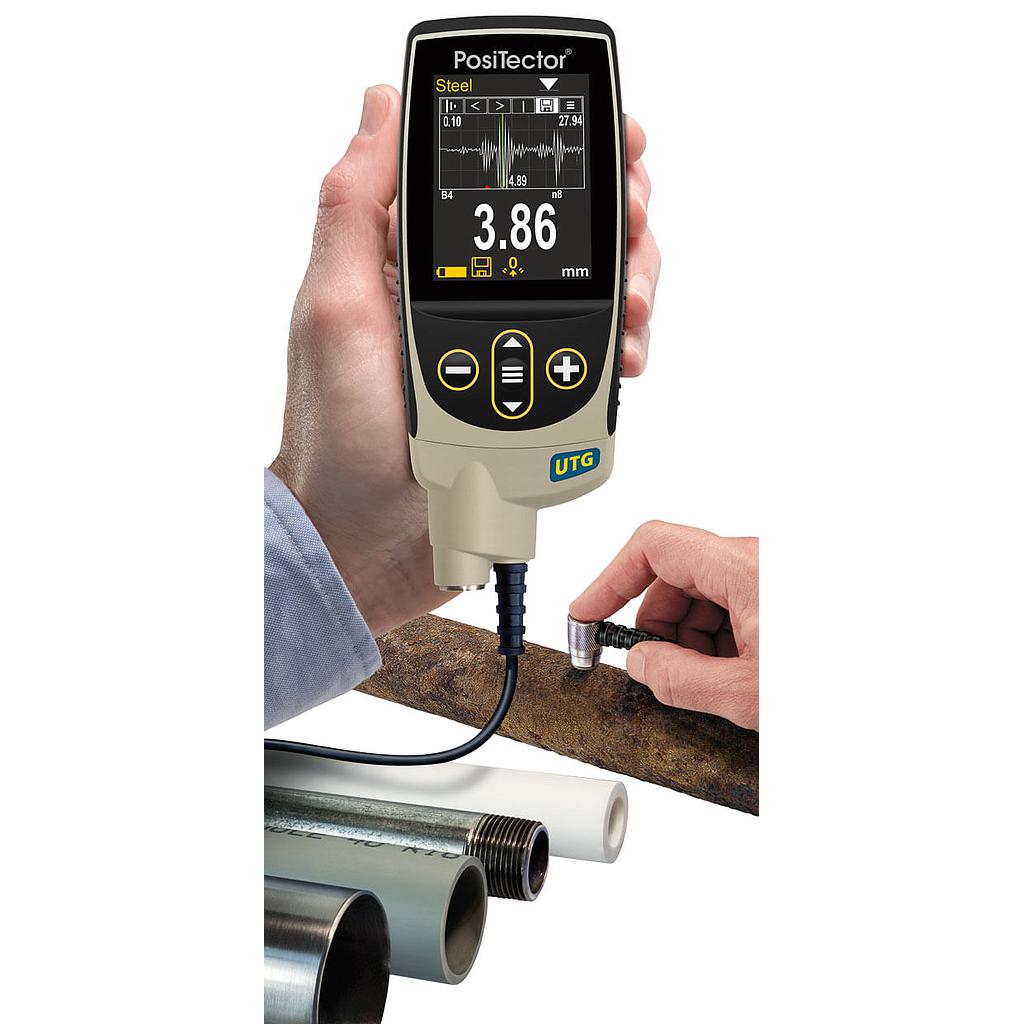
How ultrasonic thickness measurement works
The operating principle is based on ultrasonic sound waves traveling through a material and reflecting back from the opposite surface. The instrument calculates thickness from the travel time of the pulse and the sound velocity set for the material being tested. Because sound propagates differently in different materials, correct velocity selection and calibration are essential for obtaining dependable readings.
This method is especially useful when only one side of the workpiece is accessible. It is commonly applied to tanks, pipes, plates, structural parts, and components exposed to wear or corrosion. If you need a broader view of related measuring options, you can also browse the general thickness gage range.
Where these instruments are used in industry
Ultrasonic thickness gages are used across many sectors where material condition matters over time. In process plants, they help monitor wall thinning in pipelines, pressure vessels, and storage tanks. In metalworking and fabrication, they support incoming inspection and verification of finished parts. In maintenance environments, they are often used to track corrosion trends before repairs or replacement become urgent.
They are also relevant in construction, utilities, transport, and general manufacturing. The ability to measure through one side of the component reduces downtime and avoids damaging valuable assets. For users focused specifically on this non-destructive method, the dedicated ultrasonic thickness gages section provides a more targeted selection.
Choosing the right model for the application
The most suitable instrument depends less on brand name and more on the inspection task. Important selection points include the expected thickness range, the type of material, surface condition, minimum pipe diameter, required resolution, data storage needs, and whether coated surfaces or elevated temperatures are involved. Probe selection is equally important because transducer frequency, diameter, and geometry directly affect measurement performance.
For example, a compact handheld device such as the PCE TG 75A is suitable for routine thickness checks where adjustable sound velocity and straightforward operation are priorities. If the application involves thicker sections or cast materials, the PCE-TG 150A F25 offers a wider working range. For users dealing with demanding thermal conditions, the PCE TG 150A HT and PCE TG 300-HT5 are relevant examples of solutions intended for high-temperature measurement.
Probe and sensor configuration matters
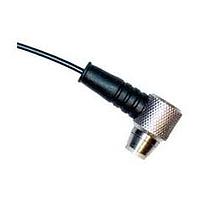
Many measurement issues that seem like instrument errors are actually probe-matching issues. Thin walls, small diameters, rough surfaces, and high-temperature parts can each require a different sensor design. A standard probe may work well on flat, accessible surfaces, but curved pipes or thin-walled sections usually benefit from a smaller or more specialized transducer.
Within this category, the PCE TG 5M10d Standard Sensor represents a typical general-purpose probe for compatible instruments, while models such as the PCE TG 300-NO7 are more suitable for thin-walled or strongly curved pipes. The PCE TG 300-NO5 and PCE TG 300-NO5/90 illustrate how probe configuration can be adapted for normal measurement tasks or for more specific contact angles. This is why evaluating the complete measuring chain, not just the display unit, is important when selecting an ultrasonic gauge.
Examples of instruments and accessories in this category
Several products in this range show how ultrasonic thickness measurement can be tailored to different inspection environments. The PCE portfolio, for instance, includes handheld meters with internal memory, adjustable sound velocity, and multiple probe options for a wide spread of materials and thickness ranges. Models such as the PCE TG 300-NO2, PCE TG 300-NO5, and PCE TG 300-NO7 are practical examples of instruments built around different sensor characteristics rather than a one-size-fits-all approach.
Other representative items include the MOORE & WRIGHT MWT-2500 Ultrasonic Thickness Gauge for general thickness measurement and the ELCOMETER T920CALSTD-SET1 Calibration Standard Set, which supports verification and setup before inspection work. In more advanced NDT workflows, equipment such as the PCE UFD 50 Material Tester may be relevant where broader ultrasonic material testing functions are needed beyond basic thickness checks.
Accuracy, calibration, and practical measurement considerations
Good results depend on more than the stated resolution on the screen. Surface preparation, couplant application, probe contact, and correct material velocity all influence the final reading. Painted or coated surfaces can also change the measurement approach, so it is important to confirm whether the device supports the intended mode of operation for that condition.
Calibration should be treated as a routine part of measurement, not an extra step. A calibration set such as the ELCOMETER T920CALSTD-SET1 helps verify instrument response across known thickness points. In real inspection work, this is especially important when comparing readings over time, documenting corrosion monitoring programs, or working across multiple materials and component geometries.
How to compare brands and product families
Different manufacturers tend to emphasize different strengths, such as portability, probe ecosystem, NDT depth, or ease of use. In this category you may also come across recognized names such as Olympus, ELCOMETER, MOORE & WRIGHT, and PCE. Rather than choosing purely by brand familiarity, it is usually more effective to compare supported applications, probe availability, memory and data handling, and how well the device fits your inspection routine.
For buyers managing maintenance teams or quality departments, consistency across devices can also matter. Standardized menus, shared accessories, and repeatable calibration practices often make day-to-day operation easier, especially when multiple users perform inspections across different shifts or sites.
FAQ
Can ultrasonic thickness gages measure from only one side?
Yes. That is one of the main advantages of this method. The probe is placed on one accessible surface, and thickness is calculated from the returning ultrasonic signal.
Are these instruments only for metal?
No. Many models can measure other homogeneous materials as well, including certain plastics, glass, ceramics, and similar materials, provided the correct probe and sound velocity are used.
Why are there so many probe options?
Because material type, thickness range, temperature, and surface geometry all affect ultrasonic performance. A suitable probe can improve coupling, signal quality, and measurement reliability.
Final considerations
If your work involves corrosion monitoring, wall-thickness verification, pipe inspection, or non-destructive incoming and in-service checks, this category offers a focused starting point. From general-purpose handheld units to specialized high-temperature or curved-surface solutions, the right ultrasonic thickness gage is usually the one that matches the material, geometry, and inspection condition rather than simply the broadest specification list.
Review the available instruments, probes, and calibration accessories together so the final setup fits your workflow from the start. That approach usually leads to more stable readings, more efficient inspections, and better long-term value from the measuring system.
Get exclusive volume discounts, bulk pricing updates, and new product alerts delivered directly to your inbox.
By subscribing, you agree to our Terms of Service and Privacy Policy.
Direct access to our certified experts