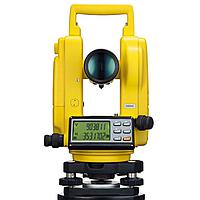
Theodolite
Accurate angle measurement remains a core task in site layout, structural alignment, civil engineering, and general surveying work. When teams need reliable horizontal and vertical angle readings in the field, a theodolite is still one of the most practical instruments for day-to-day positioning, checking lines, and transferring design geometry into real-world construction conditions.
On this category page, buyers can explore digital and electronic theodolites used for construction surveying, infrastructure projects, topographic work, and alignment tasks. Compared with purely manual optical workflows, modern instruments help operators read values faster, reduce interpretation errors, and work more confidently in demanding outdoor environments.
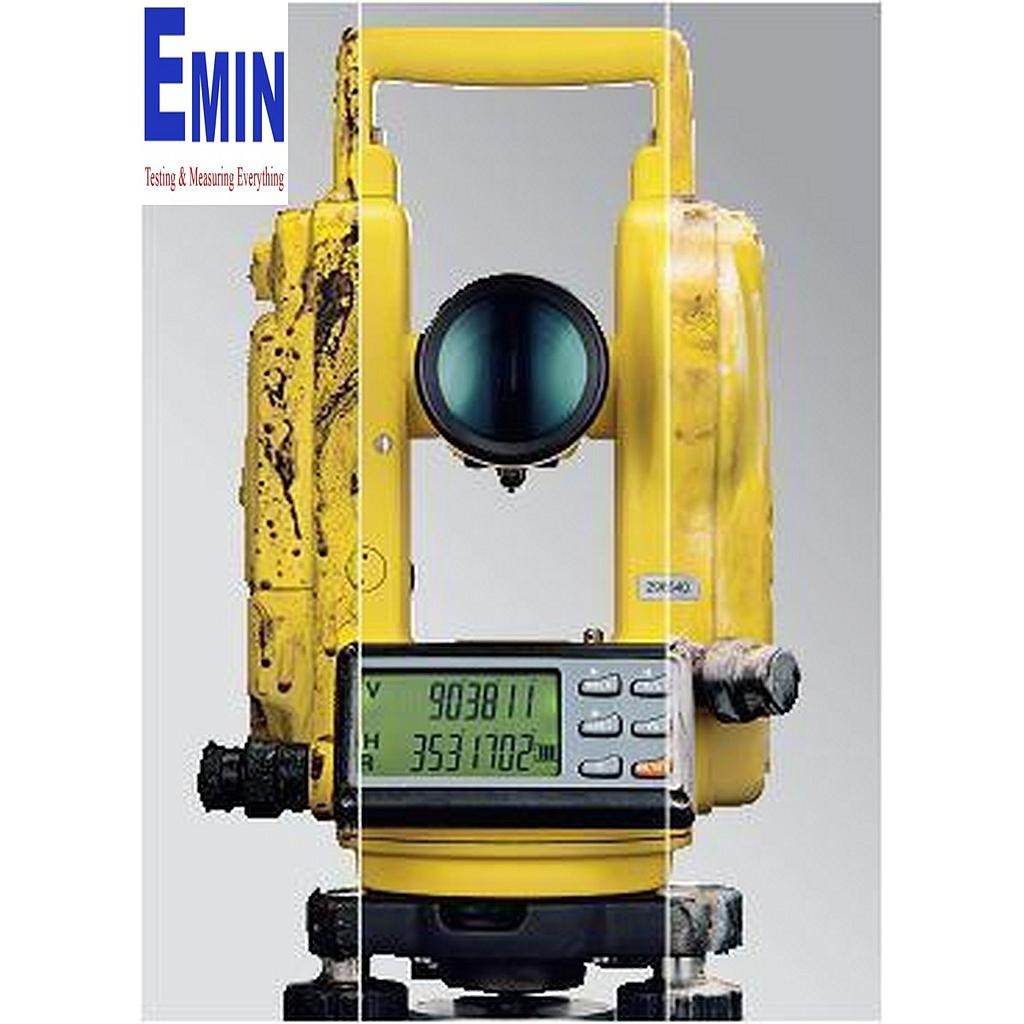
Where theodolites are commonly used
In practical fieldwork, theodolites are used wherever accurate angular measurement supports positioning or verification. Typical applications include building layout, column and wall alignment, road and bridge construction, utility corridor setup, and checking verticality during installation. They are also useful for control work before more advanced survey workflows are introduced.
For many contractors and survey teams, the instrument serves as a dependable solution for transferring reference directions, establishing site axes, and confirming geometric relationships between points. In broader survey environments, teams may also work alongside other motion and positioning tools such as speed sensors or communication equipment like walkie-talkie systems to coordinate field operations efficiently.
How electronic and digital theodolites improve fieldwork
A modern electronic theodolite is designed to measure horizontal and vertical angles with clearer readout and more convenient operation than traditional manual methods. Many models in this category use dual displays, electronic angle reading, and compensator systems that help maintain measurement stability when the instrument is properly set up.
These features matter in real jobsite conditions because field teams often work under time pressure, variable light, and uneven ground. Digital readout reduces the chance of reading mistakes, while practical details such as dust and water protection, long operating time, and compact instrument weight make a difference over a full workday.
What to consider when selecting a theodolite
The first selection factor is usually measurement accuracy. Projects involving fine alignment, precise installation, or tighter tolerance checking may require higher angular precision than general layout work. Buyers should also consider the minimum reading, compensator type, telescope magnification, and whether a laser or optical plummet better suits the way the instrument will be deployed on site.
Environmental suitability is equally important. Outdoor survey instruments often need to withstand dust, splashes, temperature variation, and repeated transport between project locations. Battery runtime, focusing distance, display visibility, and tripod compatibility should also be reviewed because these details directly affect productivity in construction and infrastructure applications.
Where workflows extend into broader geospatial or field survey tasks, some users may also evaluate related technologies such as hydrography and oceanography survey equipment for specialized measurement environments. This helps procurement teams build a more complete survey toolkit around the actual application rather than choosing instruments in isolation.
Representative products in this category
Several models illustrate the range available for different job requirements. From GEO-Fennel, the FET 420K Electronic Theodolite is positioned for users looking for dependable angle measurement with a 2-axis compensator, practical battery options, and a field-oriented design. The FET 220K-L and FET 220 also provide options for teams comparing accuracy level, laser plummet support, and everyday usability.
From TOPCON, models such as the DT-309G, DT-305 L, and DT-305 show the appeal of digital theodolites built for site use, including robust protection ratings, dual display operation, and long battery life. Other examples in the category include the SATLAB SDT2 Electronic Digital Theodolite and the GEOMAX Zipp02 Digital Theodolite, which help illustrate how different users may prioritize precision, display style, runtime, or remote-operation convenience.
Comparing manufacturers for project needs
TOPCON, GEOMAX, GEO-Fennel, and SATLAB each appear in this category as relevant options for professional survey and construction users. Rather than focusing only on brand familiarity, it is more useful to compare how each model fits the intended workflow: routine building layout, alignment verification, engineering survey support, or repeated site checks across multiple crews.
Some buyers prioritize rugged construction and long operating hours for heavy field use. Others need finer reading resolution, laser plummet capability, or fast setup for repetitive layout tasks. Looking at the instrument as part of the full work process usually leads to a better decision than selecting by headline specification alone.
Good operating practice for reliable results
Even a capable instrument depends on correct setup and handling. Stable tripod placement, proper leveling, careful focusing, and clear target sighting remain essential for consistent results. Operators should also verify the working area, avoid rushed setup on unstable ground, and check battery status before starting a measurement sequence.
Routine care helps preserve accuracy and service life. After use, the instrument should be cleaned with suitable materials, stored in its case, and protected from unnecessary shock, moisture, or prolonged heat exposure. Periodic inspection is also recommended, especially for instruments used frequently on construction sites where vibration, dust, and transport stress are common.
Short FAQ
Which theodolite is suitable for construction layout?
That depends on the required angular accuracy, site conditions, and whether features such as laser plummet, dual display, or long battery life are important for the project. General building layout may not need the same precision level as detailed alignment or engineering verification work.
Is a digital theodolite easier to use than a manual one?
For many users, yes. Digital and electronic models simplify angle reading, improve readability, and can reduce operator error, especially when measurements must be repeated throughout the day.
Can theodolites be used outdoors in difficult environments?
Many models in this category are designed for outdoor fieldwork and include dust and water protection. Buyers should still compare protection rating, operating temperature range, and runtime against the actual jobsite environment.
Choosing the right instrument for your team
The right theodolite is the one that matches your working accuracy, field conditions, and operating routine without adding unnecessary complexity. Whether the priority is straightforward construction layout, daily site verification, or more demanding angular measurement tasks, this category brings together practical options from established manufacturers for professional B2B procurement.
Review the available models with attention to accuracy, compensator design, durability, and workflow fit. A well-matched instrument supports faster setup, clearer measurements, and more dependable survey results across construction and engineering projects.
Get exclusive volume discounts, bulk pricing updates, and new product alerts delivered directly to your inbox.
By subscribing, you agree to our Terms of Service and Privacy Policy.
Direct access to our certified experts