Drill bits
Clean holes, stable cutting, and longer tool life usually depend less on drilling force than on choosing the right bit for the material and the job. In workshops, maintenance teams, and installation work, a suitable drill bit helps reduce heat, improve hole quality, and limit premature wear on both the bit and the drill.
Drill bits in this category cover common needs such as metal drilling, masonry work, wood processing, and mixed-material applications. Instead of treating every bit as interchangeable, it is more practical to select by material, hole diameter, and the type of machine being used, especially when working with handheld or portable tools.
Choosing the right bit for the workpiece
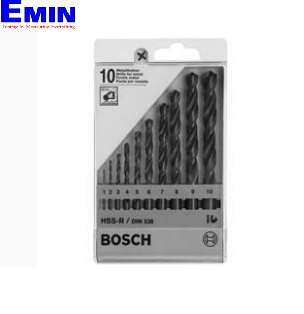
The fastest way to avoid broken tips, overheating, or poor hole finish is to match the bit geometry to the material. For metalworking, HSS and HSS-Co types are commonly selected for their cutting performance, while masonry drilling requires a concrete-oriented design that can handle abrasive surfaces and impact conditions.
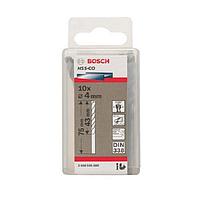
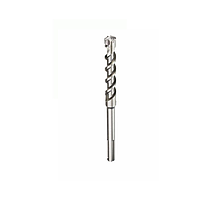
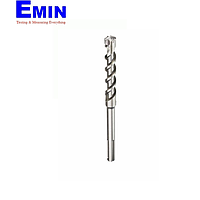
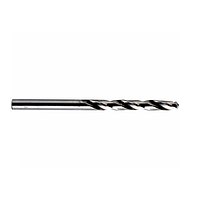
For example, the BOSCH HSS-CO Drill bit (4mm) is relevant when drilling tougher metals that generate more heat during cutting, whereas the BOSCH 2608578120 Concrete Drill Bit (8x80x120) is intended for mineral-based materials rather than sheet metal or wood. If your application includes multiple substrates on site, a multi-purpose option such as the BOSCH 2608900585 EXPERT HEX-9 MultiConstruction Drill Bit Set can help reduce bit changes between tasks.
Material-specific drilling considerations
Metal drilling typically demands attention to speed, feed pressure, and heat control. Stainless steel tends to hold heat near the cutting edge, so cobalt-alloy bits are often preferred for improved temperature resistance. Aluminum and softer non-ferrous materials cut more easily, but chip evacuation still matters to prevent clogging and surface tearing.
Wood drilling usually benefits from sharp cutting edges and a geometry that clears chips efficiently without burning the material. A set such as the BOSCH 2607017034 Wood Drill Bit Set (3-10mm, 7pcs) is useful when hole sizes vary across furniture assembly, panel work, or general carpentry tasks.
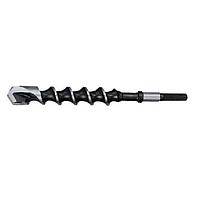
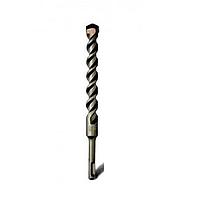
Concrete and masonry require a different approach. When used with compatible machines, SDS and masonry-style bits are better suited to repetitive drilling in hard construction materials. Products such as the BOSCH SDS Plus-1 6x160 Drill Bits Set and BOSCH SDS Plus-1 8x160 Drill Bits Set are more aligned with this type of application than standard HSS bits.
Bit selection by hole size and drilling sequence
Hole diameter has a direct effect on cutting load. For smaller holes, a standard bit can often be used directly if the surface is marked properly and the drill is stable. As diameter increases, especially in metal, creating a pilot hole first can reduce wandering, lower torque demand, and improve final hole accuracy.
This approach is especially helpful for portable tools and lower-power machines. Users comparing bits with the wider drill machine range should consider not only the bit diameter but also the machine’s available speed settings, chuck compatibility, and whether impact or rotary-only drilling is required.
Examples from this category
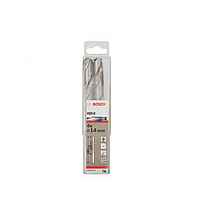
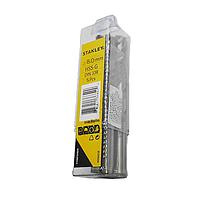
The product range includes individual bits, multi-piece sets, and measurement accessories that support drilling work more accurately. On the metal side, examples include the BOSCH HSS-G 8.0mm Drill Bit (8mm, 5pcs), BOSCH HSS-Co Drill Bit (4.8mm), and the BOSCH HSS-CO Drill bit (4mm (10 bits)) for users who need repeatability across common diameters.
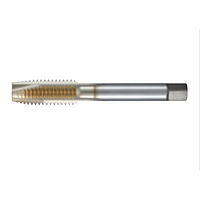
For thread preparation and workshop operations, the NACHI SGPO4M0.7R Taro Tip adds useful context to the category because drilling and tapping are often linked steps in fabrication and maintenance. For checking diameters and verifying drill sizes, MOORE & WRIGHT 1066M Drill Wire Gauges (0.1mm) and MOORE & WRIGHT 1067M Drill Wire Gauges (0.5mm) support better control over size selection and inspection.
Brands commonly considered for drill bits
Procurement teams often look first at availability, dimensional consistency, and suitability for the intended material. In this category, BOSCH appears prominently across metal, wood, concrete, and multi-construction applications, making it relevant for users who want a broad selection within one brand ecosystem.
NACHI is also notable where drilling may connect with threading operations, while MOORE & WRIGHT supports inspection and size verification needs. Depending on project requirements, buyers may also compare related tooling from other manufacturers listed on the site, but the final choice should still be based on work material, machine type, and expected duty cycle rather than brand name alone.
How drill bits fit into the wider tooling system
A bit should not be chosen in isolation. The drilling result also depends on spindle stability, clamping method, operator control, and whether the task is occasional installation work or repeated production drilling. Users handling structural steel or heavy fabrication may also want to review options in electromagnetic drill equipment, where the drilling setup and compatible cutters or bits become part of the overall process.
For jobs that require larger cutouts rather than standard round holes, a hole saw may be more appropriate than forcing a conventional bit into an unsuitable application. This kind of tool matching helps improve productivity and reduces unnecessary wear on consumables.
Practical buying points for B2B users
When selecting from a drill bit catalog, it helps to define a few operating conditions first: material type, required diameter range, hole depth, expected volume, and the drill platform already in use. A maintenance department may prefer stocked common sizes in packs, while a contractor may prioritize versatile sets for changing site conditions.
Consistency, application fit, and replacement availability are often more important than simply choosing the lowest-cost item. For technical buyers, this category is best used as a working selection area: compare the bit type to the substrate, confirm dimensional suitability, and then choose the format that aligns with your daily workflow.
Conclusion
A well-chosen drill bit improves more than just hole-making speed. It supports cleaner finishes, better dimensional control, and more reliable performance across metalworking, construction, woodworking, and maintenance tasks. By selecting according to material, diameter, and machine compatibility, buyers can build a more practical drilling setup with fewer tool failures and less downtime.
Whether you need individual metal bits, wood sets, masonry options, or accessories for measurement and verification, this category provides a focused starting point for matching the right drilling solution to real working conditions.
Get exclusive volume discounts, bulk pricing updates, and new product alerts delivered directly to your inbox.
By subscribing, you agree to our Terms of Service and Privacy Policy.
Direct access to our certified experts