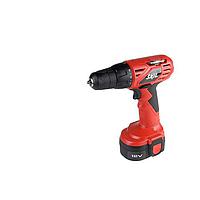
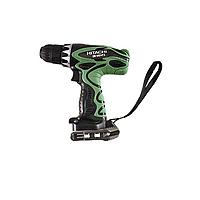
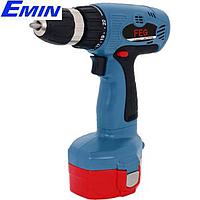
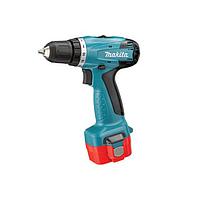
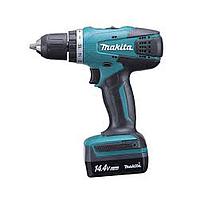
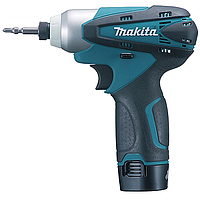
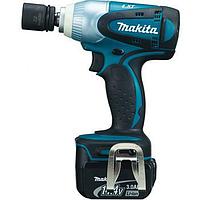
Screwdriver
Fast, repeatable fastening is a basic requirement in assembly, maintenance, and installation work. When operators need better consistency than manual tools can provide, a screwdriver in the power tool category becomes a practical choice for reducing cycle time, improving torque control, and handling frequent screw-driving tasks more efficiently.
This category is relevant for electrical work, mechanical assembly, equipment servicing, furniture installation, and light-to-heavy fastening applications. Depending on the job, users may need a compact cordless screwdriver for precision work, an angle screwdriver for confined spaces, or a higher-torque impact tool for larger fasteners and demanding duty cycles.
Where power screwdrivers fit in real working environments
In production lines and maintenance departments, fastening tools are selected based on the type of joint, the material being assembled, and the required working speed. A compact model is often preferred for control panels, electrical cabinets, and small hardware, while more robust tools are used in workshops, field installation, and structural assembly.
Compared with manual screwdrivers, powered versions help operators maintain more stable output over repeated cycles. They also reduce fatigue during long shifts, especially when many screws must be installed at similar torque levels. In some workflows, these tools are used alongside a drill machine when both drilling and fastening are needed on the same job.
Common tool types in this category
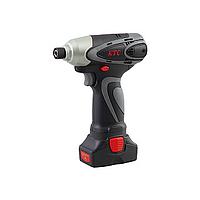
This category can cover several fastening formats rather than one single tool style. A standard cordless screwdriver is typically chosen for general screw-driving, while an angle screwdriver is useful where head clearance is limited and access is difficult. Impact wrench-style tools are more suitable when bolt fastening requires much higher torque than a typical screwdriver can deliver.
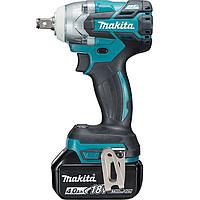
For example, the MAKITA DTD173RTJ Cordless Screwdriver is aligned with fast, general fastening work, while the MAKITA DFL302FZ and MAKITA DFL651FZ Cordless Angle Screwdriver models are better suited to applications where the tool must reach into tighter assemblies. For heavier bolt work, products such as the BOSCH GDS 18V-350 Cordless impact wrench or BOSCH GDS 18V-1600 HC Cordless Impact Wrench belong to a different performance range and should be selected with the fastening task in mind.
Battery platform, voltage, and runtime considerations
One of the first practical differences between cordless tools is the battery system. Battery voltage affects the balance between tool size, weight, and available torque, while battery capacity affects runtime and how long the tool can stay productive between charges. Higher-power applications often benefit from 18V platforms, but not every fastening task requires that level of output.
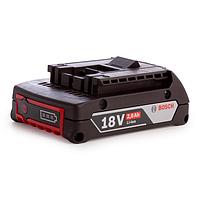
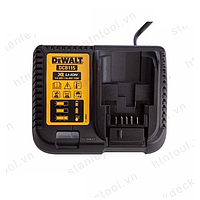
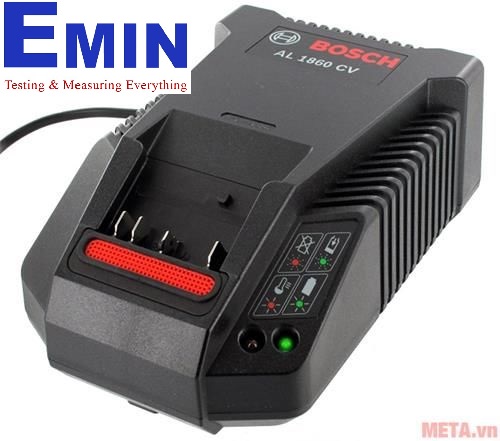
For users already working within a cordless ecosystem, battery compatibility can also influence purchasing decisions. The DEWALT DCB184-B1 Battery and BOSCH 1600A0193N Battery are examples of supporting components that matter in day-to-day operations because they affect uptime, charging rotation, and fleet standardization. If your team is already using BOSCH cordless tools, staying within the same platform may simplify battery management and spare planning.
How to choose the right screwdriver for the job
The most useful starting point is the fastener itself: screw size, bolt size, material, and required tightening consistency. Small screws in electronics, cabinets, or light assembly usually call for easier control and a lighter tool. Larger fasteners, hard materials, or continuous production work demand more torque and a tool that can maintain performance across repeated cycles.
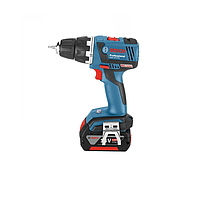
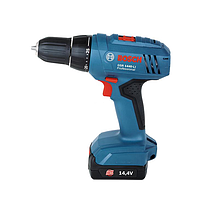
Access conditions are equally important. In narrow machinery spaces or assemblies with surrounding obstructions, an angle design may be more effective than a straight-body tool. Where drilling is part of the workflow, a drill/driver such as the BOSCH GSB 183-LI Cordless Drill/Driver may be more versatile, especially when used with appropriate drill bits for the material being processed.
It is also worth considering accessories and bit systems. A tool kit such as the BOSCH GO 3 (KIT) Cordless screwdriver can be practical for lighter technical work, while the BOSCH 2607017734 Pick & Click 44-piece screwdriver set supports broader bit selection for maintenance teams that regularly switch between screw types.
Representative brands and product examples
Several established manufacturers appear in this category, with MAKITA, BOSCH, DEWALT, and Milwaukee (tool) being especially relevant for professional cordless fastening applications. Each brand serves slightly different user needs, from compact installation tools to high-output fastening equipment for industrial or field use.
Within the examples available here, MAKITA covers both compact and angle-format screw-driving solutions through models such as the DTD173RTJ, DFL302FZ, and DFL651FZ. BOSCH appears in both screwdriver-adjacent and heavier fastening roles with the GO 3 (KIT), GSB 183-LI, GDS 18V-350, and GDS 18V-1600 HC. DEWALT contributes through its battery platform component, while Milwaukee (tool) addresses high-torque applications with models such as the M18 FHIWF12-0X and M18 ONEFHIWF1D-0C0.
When a screwdriver is not enough
Not every fastening task should be handled by the same type of tool. If the application includes large anchors, structural bolts, or very high breakaway torque, an impact wrench is generally more appropriate than a compact screwdriver. On the other hand, if the job begins with cutting holes before fastening, adding tools such as a hole saw system may be necessary for a complete workflow.
This distinction matters because using an undersized tool can slow production and increase wear, while using an oversized one can reduce control on delicate assemblies. Matching the tool to the real load, access space, and work frequency usually produces better long-term results than choosing only by voltage or brand preference.
Practical buying points for B2B users
For workshops, contractors, and industrial maintenance teams, procurement decisions usually go beyond the tool body alone. Buyers often look at battery standardization, spare availability, bit compatibility, charger sharing, and whether the same platform can support both fastening and drilling tasks across departments.
Another key factor is application consistency. A lighter tool may be ideal for repetitive cabinet work, while a higher-torque model may be justified for equipment assembly or installation crews. When comparing options, focus on fastening range, ergonomics, access requirements, and the supporting ecosystem rather than treating every cordless screwdriver as interchangeable.
Choosing with the application in mind
A well-selected screwdriver helps maintain productivity, improves fastening repeatability, and supports safer, more comfortable operation over time. In this category, the available range extends from compact cordless screwdrivers to angle tools, drill/drivers, batteries, and higher-torque fastening equipment that serve different stages of real industrial work.
If you are comparing options, start with the actual fastener size, working space, duty cycle, and battery platform already used by your team. That approach makes it easier to narrow the category to the tool type and product format that best fits your operation without overbuying or compromising on performance.
Get exclusive volume discounts, bulk pricing updates, and new product alerts delivered directly to your inbox.
By subscribing, you agree to our Terms of Service and Privacy Policy.
Direct access to our certified experts