FPGA Configuration Memory
Reliable startup behavior is a critical part of many programmable logic designs. When an FPGA must load its bitstream quickly and consistently, the choice of FPGA Configuration Memory affects boot flow, board layout, operating voltage, and long-term maintainability just as much as the FPGA itself.
This category brings together memory devices used to store and deliver configuration data for FPGA-based systems. These components are commonly selected for industrial electronics, embedded control hardware, communications equipment, and other designs where programmable logic must initialize from external non-volatile memory.

What FPGA configuration memory does in a system
An FPGA is typically unconfigured at power-up and needs a dedicated source for its startup image. Configuration memory stores the required programming data so the FPGA can load its logic during boot. Depending on the device family and architecture, this may be implemented with serial flash, EEPROM, or other non-volatile memory optimized for configuration tasks.
In practical terms, the memory device becomes part of the FPGA startup chain. Designers usually evaluate not only storage capacity, but also interface style, supply voltage, package type, and programming method. These factors can influence system bring-up, field updates, and compatibility with the target programmable logic platform.
Common memory types and capacity ranges
This category includes both EEPROM-based and flash-based options, which is useful because FPGA platforms do not all follow the same configuration approach. EEPROM devices are often chosen for established serial configuration schemes and lower-density requirements, while flash-based parts are commonly used when larger bitstreams or faster configuration behavior are needed.
Examples in this range include compact 256 kbit options such as Microchip Technology AT17LV256-10NU-T, AT17LV256-10SU, and AT17LV256-10CU, as well as higher-density devices like Microchip AT17F040-30JU and Microchip Technology AT17F16-30JU. For designs that require larger flash capacity, the Altera EPCQ4ASI8N, EPCQ16ASI8N, and EPCQ32ASI8N illustrate how density can scale with application needs.
Key selection criteria for engineers and buyers
The first checkpoint is usually memory density. The selected device must hold the target FPGA bitstream with suitable margin, especially if the design may evolve or require multiple images in the future. A device that is too small can block design revisions, while one that is significantly oversized may add unnecessary cost or board space.
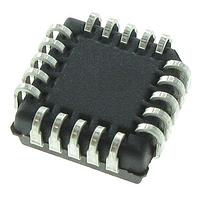
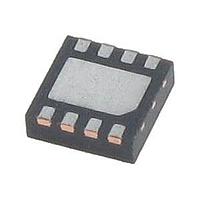
Voltage compatibility is also important. In this category, many parts operate around 3.3 V, while some EEPROM-based devices support both 3.3 V and 5 V operation. Package style matters as well for manufacturing and serviceability, with examples including PLCC and various SMD/SMT footprints. Engineers should also verify operating temperature range, programming interface, and boot speed expectations before finalizing a part.
Where the broader architecture is still being defined, it can also help to review related programmable device families such as Complex Programmable Logic Devices to compare how startup and non-volatile configuration needs differ across platforms.
Representative products in this category
Several devices in this lineup are well suited for illustrating the range of available solutions. The Microchip AT17F040-30JU is a 4 Mbit serial configuration memory device, while the Microchip Technology AT17F080-30JU and AT17F16-30JU extend that approach into higher-capacity flash options. These parts are relevant when the design requires dedicated external memory for FPGA image storage in industrial temperature conditions.
For lower-capacity applications, the AT17LV256 family provides EEPROM-based choices that may fit compact or legacy configuration schemes. At the other end, Altera EPCQ devices such as EPCQ16ASI8N and EPCQ32ASI8N are useful examples for systems that need larger non-volatile storage for FPGA boot data. In more specialized contexts, the Teledyne e2v 5962-8873503LA shows that FPGA configuration memory can also appear in highly application-specific sourcing requirements.
Integration considerations in embedded hardware design
Choosing the right part is not only about matching a memory size to a bitstream file. Designers should consider the full startup path, including how the FPGA reads configuration data, whether in-system programming is required, and how updates will be handled during manufacturing or maintenance. These choices can affect firmware workflow, production test, and field service strategy.
Board-level constraints also matter. Footprint size, routing simplicity, moisture sensitivity handling, and acceptable operating current can all influence component selection. In some projects, the FPGA configuration device is selected alongside the processing architecture, so teams may also compare adjacent categories such as central processing units when defining overall embedded system structure.
Manufacturers commonly used for FPGA configuration memory
This category highlights devices from Microchip, Microchip Technology, Altera, and Teledyne e2v. Each appears in the context of FPGA boot and non-volatile configuration storage rather than general-purpose memory alone. That distinction is important for buyers who need parts aligned with programmable logic workflows instead of standard data storage applications.
Manufacturer choice often depends on platform compatibility, lifecycle preference, package availability, and qualification needs. Rather than focusing only on brand, it is usually more effective to shortlist parts by density, interface, voltage, and intended FPGA family, then confirm the fit at system level.
When to review alternatives within the programmable logic ecosystem
In some designs, the need for external configuration memory may lead engineers to revisit the surrounding logic architecture. If startup behavior, integration complexity, or device programmability becomes a central design constraint, nearby categories like electronically erasable programmable logic devices may provide helpful context for comparison.
That does not replace the need for dedicated FPGA configuration memory in many systems, but it can support better early-stage component planning. For procurement teams, this broader view also helps align sourcing decisions with the actual role of the memory device in the embedded design.
Choosing the right device for your application
A strong selection process usually starts with the target FPGA, expected bitstream size, required boot method, and supply rail constraints. From there, package preference, environmental range, and lifecycle considerations help narrow the shortlist. Using representative options such as the Microchip AT17 series, Altera EPCQ series, or the Teledyne e2v 5962-8873503LA can make that comparison more concrete.
If you are sourcing for new development or replacement demand, this category offers a practical starting point for evaluating non-volatile memory dedicated to FPGA startup. Reviewing device density, interface type, and platform fit together will usually lead to a more reliable and maintainable design decision than selecting by part number alone.
Get exclusive volume discounts, bulk pricing updates, and new product alerts delivered directly to your inbox.
By subscribing, you agree to our Terms of Service and Privacy Policy.
Direct access to our certified experts