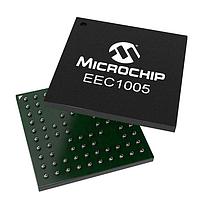
Processors Application Specialized
When a design needs dedicated processing for a narrow task, general-purpose computing is not always the most efficient path. In embedded systems, communications hardware, mixed-signal platforms, and tightly constrained industrial electronics, Processors Application Specialized help engineers target specific functions with the right balance of performance, integration, and design focus.
This category brings together devices intended for application-specific processing roles rather than broad, software-heavy compute workloads. It is especially relevant for buyers comparing embedded semiconductor options for fixed-function logic, custom processing paths, or platform designs that require more specialization than standard CPUs or controllers typically provide.
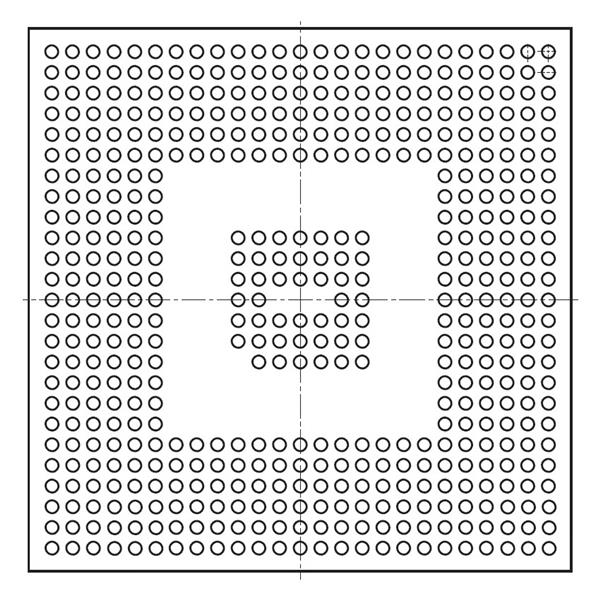
Where application-specialized processors fit in embedded design
In many electronic systems, the processing requirement is well defined from the start: handle a communication protocol, support a dedicated signal path, implement fixed digital logic, or integrate a custom function into a larger board-level design. In these cases, a specialized device can simplify system architecture and reduce the need to force a general-purpose processor into a role it was not primarily designed for.
That is why this category is often evaluated alongside devices such as central processing units and other embedded logic products. The difference is not only about raw computing power, but also about application focus, integration style, and how much of the target function is fixed, configurable, or custom.
Typical device profiles in this category
The product mix in this category points to several common implementation approaches. Some parts are clearly positioned as ASIC devices, supporting digital or mixed-signal functions in designs where predefined behavior, compact integration, or custom silicon paths are important. Others may serve highly specific platform roles where standard programmable devices are not the first choice.
Examples from this category include Broadcom devices such as the 2JS3-0001 Tequila4 LF DGTL ASIC and 1TQ1-0001 Tequila2 LF DGTL ASIC, as well as Microchip parts from the ATMX150 family, including the ATMX150RHA-VP and ATMX150RHA-FEASI. The presence of parts like the onsemi 0HLAA-006-XTP custom specific ASIC also shows that this category is relevant for projects where the processing element is closely aligned with a dedicated system requirement rather than a broad software stack.
How these parts differ from programmable logic and standard processors
One of the most practical buying questions is whether a project needs a programmable component, a standard processor, or an application-specialized device. A general CPU is often chosen when software flexibility, operating system support, and broad processing capability are top priorities. By contrast, specialized processors are usually considered when the target function is narrower, more deterministic, or more deeply integrated into the hardware architecture.
They may also be reviewed in parallel with complex programmable logic devices when the design team is deciding between configurable logic and a more fixed-function solution. In simple terms, the choice often depends on whether the application benefits more from post-deployment programmability or from a device built around a dedicated processing purpose.
Selection criteria for B2B sourcing and engineering teams
For procurement teams, OEMs, and design engineers, selection usually starts with the role the device will play inside the system. Important questions include whether the part supports a digital-only path or a mixed-signal implementation, whether the design is based on packaged parts or die-level integration, and how closely the device must align with an existing hardware platform.
Available examples in this category show different packaging and process-related approaches, including CQFP devices and die-format options within the Microchip ATMX150RHA range. Buyers comparing options from Microchip, Broadcom, or onsemi should also consider lifecycle fit, replacement strategy, qualification requirements, and how the device interacts with the rest of the embedded architecture.
Representative manufacturers and product examples
Broadcom appears in this category with Tequila-series digital ASIC devices such as the 2JS3-0002 and 1TQ1-0002, which indicate a clear focus on dedicated digital processing roles. These kinds of products are typically relevant where hardware functionality is strongly defined and the design value comes from a specialized silicon implementation rather than broad programmability.
Microchip is also strongly represented, with several ATMX150RHA variants including ATMX150RHA-IR, ATMX150RHA-DR, ATMX150RHA-IP, and ATMX150RHA-ORD. Together, these examples suggest a category that supports buyers looking for application-oriented ASIC or cell-based options across different integration and implementation needs. The inclusion of a custom specific ASIC from onsemi adds further context for teams working on targeted embedded or industrial electronics programs.
Related categories often considered during comparison
Specialized processors are rarely evaluated in isolation. During architecture review, engineers may compare them with digital signal processors and controllers when the application involves real-time data handling, algorithmic control, or signal-focused processing. In other projects, the comparison may shift toward programmable logic, memory support devices, or broader compute components depending on how fixed the final system behavior needs to be.
This is why category-level evaluation matters. A good sourcing decision is not just about matching a part number, but about choosing the right type of embedded building block for the design stage, production volume, and long-term maintainability of the product.
Who this category is most useful for
This category is especially useful for OEM buyers, electronics design teams, and technical sourcing specialists working on embedded hardware with clearly defined functional goals. It can also be relevant in projects involving telecom modules, industrial interfaces, specialized control electronics, or other systems where dedicated silicon helps reduce complexity at the board level.
If your requirement is centered on a narrowly defined processing function, custom hardware behavior, or ASIC-oriented implementation, this category provides a focused starting point. Instead of sorting through broad processor families, you can review devices that are better aligned with specialized embedded processing needs from the outset.
Final considerations before shortlisting parts
Application-specialized processors are best selected in the context of the full system design, not as isolated components. Interface needs, packaging, qualification flow, and the balance between fixed-function behavior and design flexibility all influence whether this category is the right fit.
For teams building embedded platforms around dedicated tasks, the products listed here offer a practical route to more focused hardware implementation. Reviewing representative options from Broadcom, Microchip, and onsemi can help narrow the field and support a more confident shortlist for application-specific embedded development.
Get exclusive volume discounts, bulk pricing updates, and new product alerts delivered directly to your inbox.
By subscribing, you agree to our Terms of Service and Privacy Policy.
Direct access to our certified experts