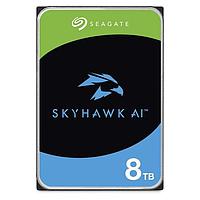
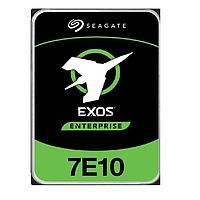
Hard Disk Drives HDD
Reliable data storage is a basic requirement in industrial PCs, embedded systems, control cabinets, and maintenance workstations. When systems need to log machine data, retain operating files, or support edge applications over time, choosing the right Hard Disk Drives HDD category is less about simple capacity and more about matching the drive format, interface, and operating environment to the job.
This category brings together storage options used in industrial and technical environments where consistency, compatibility, and lifecycle considerations matter. Whether you are maintaining legacy equipment, specifying storage for a new embedded platform, or comparing alternatives alongside Solid State Drives SSD, the goal is to select media that fits the system architecture and expected workload.
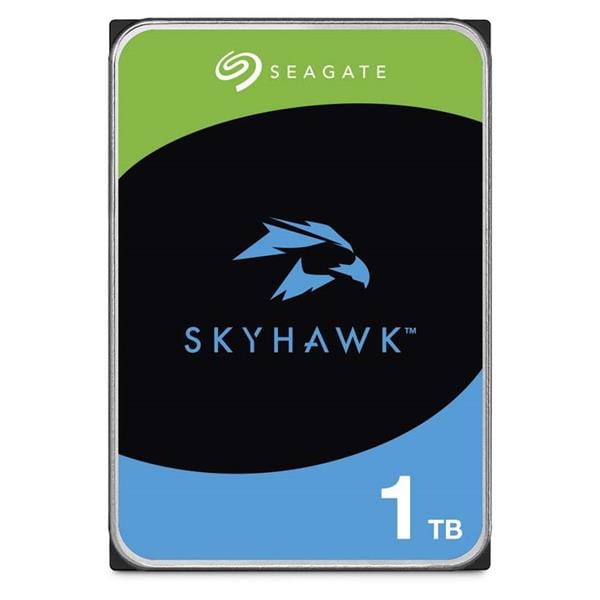
Where HDD storage fits in industrial and embedded systems
In many B2B applications, storage is part of a wider control or computing platform rather than a standalone purchase. Drives may be used in industrial computers, operator panels, compact controllers, data acquisition systems, or service devices that need local storage for operating systems, application files, logs, recipes, or backup images.
Traditional HDD-based product categories remain relevant where system compatibility, cost per capacity, or established platform design are key factors. At the same time, buyers often compare HDD-related options with newer flash-based storage, especially when vibration resistance, faster access times, or low-power operation are priorities.
Typical drive formats and interface considerations
One of the first selection points is the physical form factor and interface. In technical environments, storage devices may appear in compact embedded formats as well as more conventional drive styles, so it is important to confirm what the host system supports before ordering. The category examples here include models such as Transcend TS256GMSA372I, TS256GMSA380M, TS256GMTE352T, and TS256GMTS402M, which illustrate how storage products can be offered for different hardware footprints and integration requirements.
For retrofit projects, interface compatibility often matters more than headline performance. A drive that fits the connector, available mounting space, and motherboard support of an installed system can reduce engineering changes and shorten downtime. This is especially relevant in industrial maintenance, where replacing storage in an existing machine may require a like-for-like format rather than a complete redesign.
How to choose the right storage option
A practical selection process usually starts with four points: capacity, form factor, interface type, and operating conditions. Capacity should reflect not only the operating system and application software, but also future log growth, local databases, image files, and recovery partitions. In industrial environments, leaving some margin can simplify long-term maintenance.
Next, review the mechanical and environmental demands of the installation. If the device operates in a cabinet with limited space, in a mobile platform, or in an application exposed to shock and vibration, storage media selection becomes part of overall system reliability. Where fast boot time and frequent write cycles are important, it can also be useful to compare this category with USB Flash Drives for removable media use cases or with SSD-based options for fixed internal storage.
Representative products in this category
Several products in this range can help buyers understand the breadth of available storage choices. Examples include the Transcend TS256GMSA372M and TS256GMSA452T-I for compact industrial storage requirements, as well as the Transcend TS256GMTE452T2 and TS256GMTE452T-I for systems built around embedded modules. For applications needing higher capacity within the same general ecosystem, the Transcend TS2TSSD470K shows that storage planning may also involve scaling up to larger deployments where local data retention is more substantial.
These examples should be treated as reference points for platform matching rather than interchangeable replacements. Even when capacities appear similar, exact compatibility depends on the target system, controller support, installation constraints, and how the storage will be used in daily operation.
Manufacturer context and platform compatibility
Storage procurement in B2B projects is often tied to the broader hardware ecosystem. Buyers may standardize on a platform vendor for industrial computers and then choose compatible storage around that environment. Depending on the project, it can be helpful to review suppliers such as Transcend for storage-focused options, or compare wider industrial hardware ecosystems from brands like Advantech when storage is being selected as part of a complete computing solution.
This approach is especially useful in OEM design, panel PC maintenance, and embedded integration work. Instead of evaluating storage in isolation, engineers can align procurement with approved vendors, expected product lifecycle, and the support model already used across the project.
HDD, SSD, and other storage categories in the same ecosystem
Many projects do not evaluate one storage type alone. They compare rotating media, flash-based internal storage, removable media, and sometimes even legacy optical solutions depending on the age and purpose of the equipment. If you are mapping a full storage strategy, it may also be useful to review Optical Drive (ODD) options for specialized legacy workflows, software distribution, or archive-related requirements in older systems.
In practice, the best choice depends on how the system is used: continuous logging, program storage, image recovery, field service transfer, or long-term local retention. Looking across related categories helps ensure that the selected device is technically appropriate, operationally practical, and easier to support over the product lifecycle.
What matters in day-to-day procurement
For purchasing teams and engineers, the most important step is reducing selection risk. Confirm the interface, check the physical format, review capacity against actual software and data needs, and verify whether the drive is intended for general computing, embedded deployment, or industrial operation. This avoids ordering storage that is electrically compatible but mechanically unsuitable, or vice versa.
It also helps to plan for serviceability. If the project involves multiple identical machines, standardizing one or two approved storage references can make future maintenance simpler. In environments where uptime matters, keeping a qualified replacement drive on hand is often just as important as the original storage choice.
Final thoughts
This Hard Disk Drives HDD category is most useful when approached as part of a broader system design decision. The right product is not defined by capacity alone, but by how well it fits the host platform, operating conditions, maintenance plan, and long-term availability needs of the application.
By comparing format, integration requirements, and related storage technologies, buyers can narrow down the most suitable option for industrial and embedded use. If you are selecting drives for a new build or a replacement project, use this category as a practical starting point for matching storage to the real demands of your equipment.
Get exclusive volume discounts, bulk pricing updates, and new product alerts delivered directly to your inbox.
By subscribing, you agree to our Terms of Service and Privacy Policy.
Direct access to our certified experts