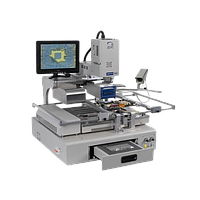
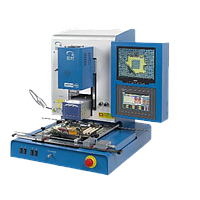
Area Array (BGA) Rework
When a PCB uses BGA, CSP, QFN, or other dense surface-mount packages, rework quality depends on more than heat alone. Stable temperature profiling, precise component handling, controlled cooling, and reliable board support all play a major role in preventing pad damage, misalignment, or thermal stress. This is where Area Array (BGA) Rework equipment becomes essential for repair, prototyping, low-volume production support, and electronics service operations.
This category brings together systems designed for removing, replacing, and reworking area-array components on modern electronic assemblies. It is relevant for EMS providers, service centers, electronics manufacturing lines, R&D labs, and maintenance teams that need repeatable processes for complex boards rather than basic hand soldering alone.
Why BGA rework requires specialized equipment
Unlike leaded components that allow easier visual inspection and direct soldering access, area-array packages place solder joints underneath the device. That changes the entire rework process. The operator must heat the package and PCB in a controlled way, lift the component without disturbing nearby parts, and place the replacement accurately before final reflow.
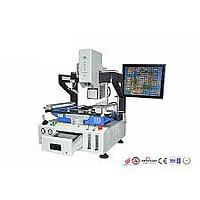
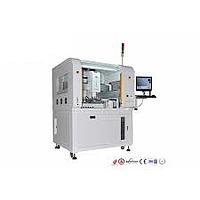
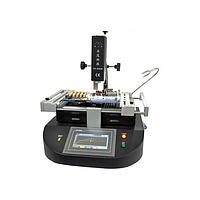
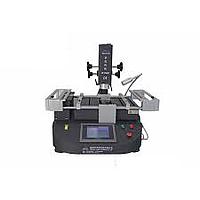
A dedicated BGA rework system helps manage these steps with better consistency than general-purpose tools. Many systems in this category combine top heating, bottom preheating, vacuum pick-up, positioning capability, and thermal monitoring so the process can be repeated across different board sizes and component types.
Typical equipment found in this category
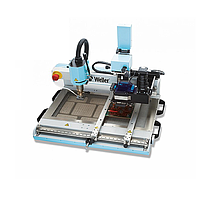
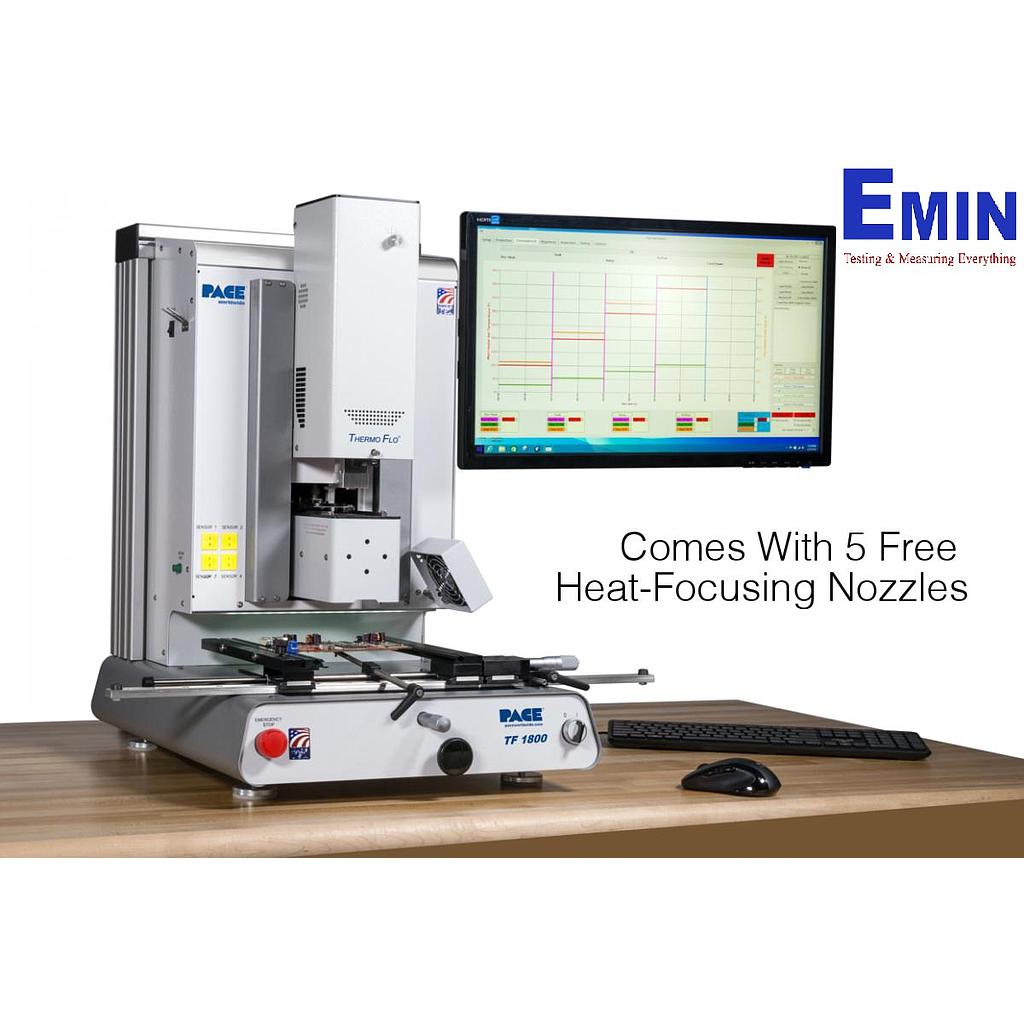
The range includes infrared and hybrid rework platforms suited to different board sizes, thermal masses, and process requirements. For example, PACEWORLDWIDE models such as the IR3100 and IR4100 are positioned for infrared BGA and SMD rework, while the TF1800 and TF2800 systems combine precise placement with controlled heating for demanding assemblies.
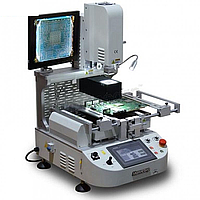
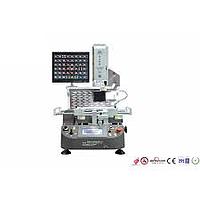
For users handling specific removal or assembly tasks, PDR equipment such as the IR-C3S and IR-D3S provides options for component removal and assembly workflows. The category also includes systems like the TIGER TG-5860N BGA Rework Station, which supports board-level rework where accurate temperature control and stable PCB positioning are required.
These machines are not interchangeable in every application. Some are more suitable for larger PCBs and higher thermal mass assemblies, while others are better matched to compact workstations, service operations, or focused component-level rework.
Key selection factors for BGA and area-array rework
The first consideration is PCB size and thermal mass. Larger boards and multilayer assemblies often need stronger bottom-side preheating and more stable heat distribution. Systems in this category span from platforms intended for around 305 x 305 mm boards to larger solutions that can support assemblies up to 610 x 610 mm, which matters when working with telecom, industrial control, or server-related hardware.
The second factor is placement and component handling. Vacuum pick-up, guided placement, and smooth motion control help reduce the risk of shifting or damaging sensitive packages during removal and replacement. This becomes more important when working with fine-pitch devices or expensive components where alignment errors can create costly scrap.
Thermal feedback is equally important. Systems that support thermocouple inputs or non-contact IR sensing allow operators to build more repeatable profiles, monitor the real process at the board level, and reduce overheating. In practice, this improves results not only on BGAs but also on nearby heat-sensitive components and laminate materials.
Infrared, convection, and hybrid heating approaches
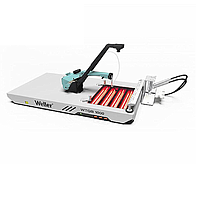
Different rework systems use different heating methods, and each has practical implications. Infrared-based platforms such as the PACEWORLDWIDE IR3100 and IR4100 or PDR IR-series equipment are commonly chosen where non-contact heating and profile control are important. They can be effective for many PCB repair environments, especially when paired with bottom preheating and accurate temperature monitoring.
Hybrid systems add more process flexibility by combining heating methods. The PACEWORLDWIDE TF1800 and TF2800, for example, are designed for BGA and SMD rework where controlled top-side heating, bottom preheating, and placement accuracy need to work together. For many users, the choice between infrared and hybrid platforms depends on board complexity, package variety, throughput expectations, and operator skill level.
If your workflow also includes neighboring component repair or broader board-level rework, it may be useful to review related equipment such as hot air and SMT convective rework systems for tasks that do not require a full BGA platform.
Related tools that support a complete rework workflow
BGA rework rarely happens in isolation. Before and after component replacement, technicians may need conventional soldering, desoldering, site preparation, pad cleanup, flux application, or touch-up work. That is why many repair benches combine a dedicated BGA machine with complementary process tools.
For supporting operations, users often pair this category with soldering stations for manual finishing and desoldering stations for cleanup and correction work. In some environments, point soldering equipment such as the Techno TOP-375, TOP-375SP, or TOP-375SPH may also support selective soldering steps around complex assemblies, although these tools serve a different role from full BGA rework systems.
Applications across electronics manufacturing and repair
This category is relevant wherever high-value boards need repair instead of replacement. Common use cases include replacing failed BGA devices on industrial controllers, reworking communication boards, servicing embedded systems, handling engineering change orders during prototyping, and recovering expensive assemblies during production troubleshooting.
It also supports specialized processes around coating removal or board preparation. For example, the Diagnosys CRS9000 addresses printed circuit board coating removal tasks that may be necessary before certain repair operations. In practical terms, a complete rework cell may include inspection, coating removal, component removal, pad site preparation, placement, reflow, and final verification.
What to look for before choosing a system
For most B2B buyers, the right starting point is not the brand name alone but the process requirement. Consider the largest PCB you expect to handle, the package families you rework most often, the need for profile development, and whether your team requires manual assistance or more guided placement capability. Power, footprint, temperature feedback options, and vacuum handling should be evaluated together rather than as isolated specifications.
It is also worth thinking about future workload. A compact system may be enough for occasional service work, while larger IR or hybrid platforms may be more appropriate if you support varied assemblies or higher-value boards. Matching the machine to your actual repair profile helps improve repeatability, reduce operator dependency, and avoid overbuying or under-specifying the station.
Choosing the right Area Array rework setup
A well-matched Area Array (BGA) Rework system helps make complex PCB repair more controlled, traceable, and repeatable. Whether the requirement is compact infrared rework, larger-format board support, or more precise placement for demanding assemblies, this category covers equipment used across professional electronics repair and manufacturing environments.
Review the available systems based on board size, heating method, placement needs, and process monitoring requirements. A practical choice is the one that fits your real assemblies, operator workflow, and quality expectations across the full rework process.
Get exclusive volume discounts, bulk pricing updates, and new product alerts delivered directly to your inbox.
By subscribing, you agree to our Terms of Service and Privacy Policy.
Direct access to our certified experts