S-Type Temperature Sensor
When temperature measurement moves into very high heat applications, sensor choice becomes more than a routine specification. Accuracy, material stability, probe construction, and long-term performance all matter, especially in furnaces, heat treatment, laboratory work, ceramics, glass, and other demanding thermal processes. In these environments, S-Type Temperature Sensor solutions are often selected for their ability to operate in elevated temperature ranges where common sensor types may not be suitable.
This category brings together sensors and related components built around Type S thermocouple measurement principles. It is intended for engineers, maintenance teams, integrators, and buyers who need reliable options for high-temperature sensing, whether the requirement is a complete probe assembly, a handheld measurement sensor, or thermocouple wire used in specialized setups.
Where S-Type sensors are typically used
Type S sensors are commonly associated with processes that involve sustained high temperatures and the need for stable measurement over time. They are often considered in thermal systems such as kilns, furnaces, research equipment, and production environments where process consistency is critical. Their use is especially relevant when measurement quality has a direct impact on product quality, energy control, or process safety.
Compared with more general-purpose options, this sensor category is better aligned with high-temperature process monitoring rather than low-cost routine sensing. If the application is broader industrial monitoring across different probe styles and technologies, it may also be useful to review industrial temperature sensors for additional installation formats and application context.
What defines a Type S thermocouple sensor
A Type S thermocouple is based on platinum-rhodium thermoelectric materials and is widely used for precise measurement at elevated temperatures. In practical terms, that makes it a strong fit for applications where temperature levels are too high for many standard sensor constructions, or where process stability is more important than low initial cost.
The products in this category show that S-Type sensing can appear in several forms. Some are complete ceramic thermocouple assemblies designed for harsh, high-heat environments, while others are fine bare thermocouple wires intended for specialized sensor builds or research use. This distinction is important, because selecting the right format depends not only on temperature range, but also on how the sensor will be mounted, protected, and connected.
Representative products in this category
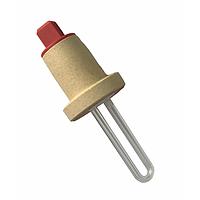
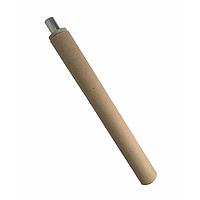
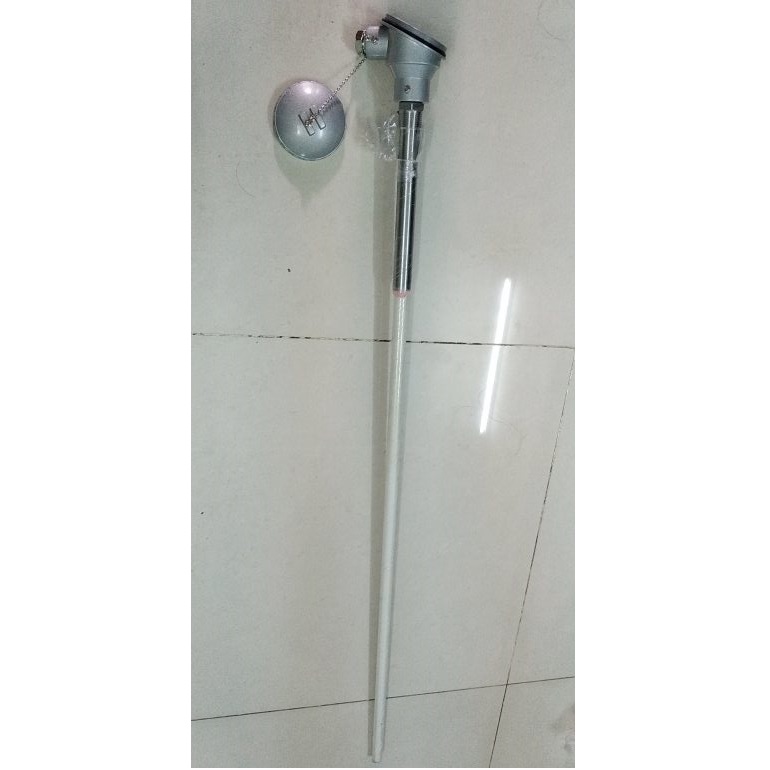
For fixed industrial measurement points, high-temperature ceramic probes from Sterling Sensors illustrate the kind of construction typically used in severe thermal conditions. Examples such as the TFHTCS015300010N, TFHTCS015500010N, and TFHTCS01501M010N are configured as high-temperature ceramic thermocouples in Type S format, with different probe lengths to suit installation depth and furnace geometry.
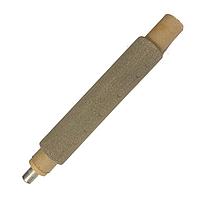
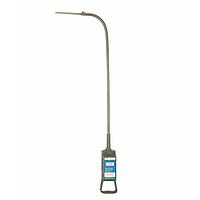
For more specialized or custom sensing tasks, OMEGA fine diameter bare thermocouple wire options such as SP10RH-032, SP10RH-020, or SP10RH-005 represent another part of the ecosystem. These products are relevant when engineers need thermocouple materials for custom junction creation, compact assemblies, or laboratory setups where wire size and thermal response are part of the design decision. A different example in the category is the Sauermann SIT-300BT, a Type S temperature sensor with a long probe format that can be useful for point measurement in specific handling or test scenarios.
How to choose the right S-Type sensor
Selection usually starts with the temperature range, but that should not be the only criterion. In high-temperature applications, buyers also need to consider immersion length, sheath or protection material, mechanical exposure, installation position, and whether the sensor is being used for continuous process control or occasional measurement. A ceramic construction, for instance, may be preferred where direct exposure to extreme heat is expected.
Another key point is sensor form. A complete probe assembly is usually the practical option for industrial installation, while bare thermocouple wire is more appropriate for custom builds, repairs, test rigs, or research use. Probe diameter and length also affect response, durability, and compatibility with the process connection. If the application does not actually require a noble-metal thermocouple, a more common option such as a K-Type temperature sensor may be worth comparing based on process conditions and budget.
Probe assemblies, handheld measurement, and thermocouple wire
This category is useful because it covers more than one purchasing intent. Some users are looking for ready-to-install process sensors, while others need a measuring probe for service work or a material component for a custom thermal assembly. Understanding that difference can help shorten the selection process and avoid ordering a part that is technically correct but operationally unsuitable.
For example, ceramic thermocouple probes from Sterling Sensors are aligned with fixed high-temperature installations. Fine diameter wire products from OMEGA serve a different role, supporting custom thermocouple construction or specialized measurement arrangements. A probe such as the Sauermann SIT-300BT sits somewhere else in the workflow, supporting direct measurement tasks where probe length, handling, and access are more important than permanent installation.
Comparing S-Type sensors with other temperature sensing options
Not every thermal application needs a Type S solution. For lower temperatures, compact electronics, or general monitoring, other sensing technologies may be more practical. Thermistors, for example, are often chosen for different operating ranges and response characteristics, while board-level devices are intended for embedded systems rather than process heat environments.
That is why sensor selection should always begin with the actual process requirement rather than the sensor label alone. If the use case involves compact electronic assemblies, board mount temperature sensors may be more relevant. If the application is based on resistance-temperature behavior in another range, thermistor sensors can provide a more suitable path.
Practical considerations before ordering
Before selecting an S-Type sensor, it helps to confirm several basic points: the real operating temperature, the maximum expected exposure, the required insertion length, and the environment around the sensing tip. Mechanical stress, contamination, and mounting geometry can all affect service life and measurement quality. In high-temperature systems, the sensor should be considered as part of the complete measurement chain, including extension method, instrumentation, and installation hardware.
It is also useful to distinguish between replacement purchasing and new system design. A replacement sensor typically needs to match the installed dimensions and thermocouple type exactly, while a new design may allow more flexibility in probe length, wire size, and protective construction. Taking a little time to validate these details can reduce installation problems and improve consistency after commissioning.
Find the right fit for high-temperature measurement
S-Type temperature sensors are most relevant where elevated heat, stability, and process reliability are central to the application. Within this category, you can evaluate complete ceramic thermocouple probes, long-probe measurement sensors, and fine thermocouple wire depending on whether the requirement is permanent installation, service measurement, or custom assembly work.
By matching sensor format to the actual process environment, buyers can make more confident decisions and avoid over- or under-specifying the measurement point. For demanding thermal applications, this category provides a focused starting point for selecting suitable high-temperature sensing solutions built around Type S technology.
Get exclusive volume discounts, bulk pricing updates, and new product alerts delivered directly to your inbox.
By subscribing, you agree to our Terms of Service and Privacy Policy.
Direct access to our certified experts