Air grinder
When deburring welds, cleaning cast surfaces, or preparing metal edges in a production environment, tool speed and consistency matter as much as operator control. Air grinders remain a practical choice in workshops and industrial maintenance because they deliver compact power, continuous duty capability, and reliable operation in demanding applications.
Within pneumatic tooling, this category covers several grinder formats used for cutting, surface preparation, finishing, and precision material removal. From lightweight high-speed units for detail work to larger angle and vertical designs for heavier stock removal, air-powered grinders support a wide range of fabrication and maintenance tasks.
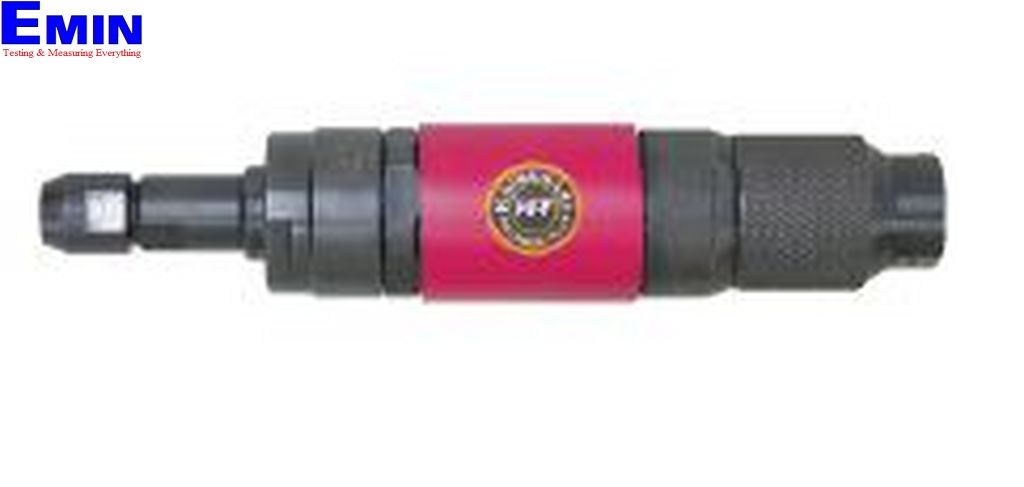
Where air grinders are typically used
These tools are common in metal fabrication, ship repair, automotive workshops, foundries, and general industrial maintenance. They are well suited to jobs such as removing burrs, smoothing weld seams, blending edges, cleaning corrosion, and preparing surfaces before coating or assembly.
Because they are driven by compressed air, air grinders are often preferred in environments where users want a lighter hand tool with fewer heat-related concerns during extended operation. They also fit naturally into facilities already equipped with compressed air systems and other pneumatic tools for assembly and maintenance work.
Main types of air grinders in this category
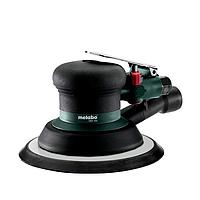
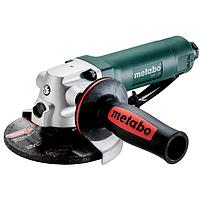
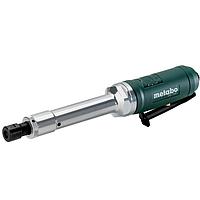
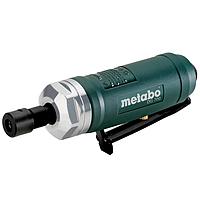
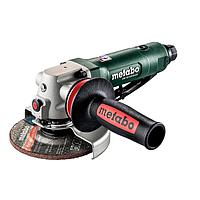
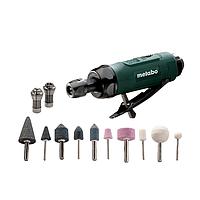
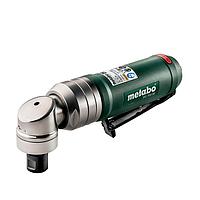
The category generally includes die grinders, angle grinders, vertical grinders, and high-speed grinders. Each format serves a different balance of access, wheel size, spindle arrangement, and material removal rate.
Die grinders are commonly selected for detail work, internal surfaces, and areas that are difficult to reach with larger tools. Angle grinders are more suitable for general grinding and surface work on broader areas, while vertical grinders are typically chosen for heavier-duty tasks where larger discs and higher output are required. For precision finishing, compact high-speed units can support small-diameter accessories and controlled removal on delicate features.
Examples from leading brands and product range
This selection includes products from AIRTEC and KAWASAKI, with models that illustrate the breadth of applications covered by the category. For example, the KAWASAKI KPT-NG25A-CR heavy duty die grinder represents the compact die grinder format used for controlled deburring and finishing in tighter work areas.
On the AIRTEC side, the range spans multiple working styles. Models such as the AIRTEC 416 and AIRTEC 435 angle grinders are aligned with medium-size abrasive applications, while the AIRTEC 520 and AIRTEC 525 support larger disc work. For more specialized tasks, the AIRTEC 700 and AIRTEC 710 high speed grinders are designed around small collet-based operation, and the AIRTEC 415 vertical die grinder addresses heavier grinding requirements.
How to choose the right air grinder
A good starting point is the actual operation: are you removing material aggressively, refining a surface, or working in a confined area? This determines whether you need a compact straight grinder, an angle configuration for general access, or a larger vertical unit for heavier grinding duty.
Next, review the practical tool parameters that affect daily use: free speed, power, weight, air consumption, and accessory interface such as collet size or pad dimensions. Higher speed is often useful for precision work with small accessories, while larger grinding discs typically call for more torque-oriented designs. Tool weight and body length also matter when the grinder will be used repeatedly across a shift.
Compressed air requirements should not be overlooked. The available hose diameter, inlet connection, and stable working pressure influence real-world performance. If the plant air system is undersized, even a capable grinder may not deliver consistent output.
Matching the grinder to the application
For fine finishing, mold work, and localized deburring, a compact collet die grinder is usually the better fit. Products such as the AIRTEC 495/F collet die grinder or smaller high-speed AIRTEC models show how this format supports detail-oriented applications where maneuverability is more important than disc diameter.
For cutting, weld blending, and broader surface preparation, angle grinders are often more efficient. If the job involves larger abrasive wheels and more demanding stock removal, a vertical grinder such as the AIRTEC 415 may be the more appropriate choice. Selecting the right format helps improve finish quality, operator comfort, and abrasive life at the same time.
Operational considerations in industrial use
In B2B environments, grinder selection is rarely about the tool alone. Buyers also consider duty cycle, compatibility with existing air infrastructure, accessory availability, and the type of material being processed. Steel fabrication, stainless finishing, and maintenance grinding can each place different demands on spindle speed, vibration behavior, and overall handling.
Noise level, vibration exposure, and air consumption are also relevant when standardizing tools across a team. A lighter grinder may improve handling for repetitive work, while a higher-power model may shorten cycle time in more aggressive applications. The right balance depends on whether the priority is precision, productivity, or versatility.
Related pneumatic tools for workshop workflows
Air grinders are often used alongside other assembly and fabrication tools in the same compressed-air ecosystem. In drilling and hole preparation steps, users may also need an air drill, while fastening operations are commonly supported by air impact wrench solutions for maintenance and production tasks.
For lighter fastening and assembly stations, air screwdrivers can complement grinding and finishing operations within a complete pneumatic workstation. Looking at the full workflow often makes it easier to select tool categories that work efficiently together.
Choosing with confidence
This category brings together air grinders for precision finishing, general-purpose grinding, and heavier industrial material removal. Whether the requirement is a compact die grinder, a medium-size angle grinder, or a larger vertical model, the most effective choice comes from matching tool format, speed range, air demand, and accessory size to the actual task.
For buyers comparing pneumatic grinding solutions, it is worth focusing on application fit rather than model count alone. A well-matched air grinder supports cleaner finishing, steadier operation, and better integration with the rest of the workshop’s pneumatic tool setup.
Get exclusive volume discounts, bulk pricing updates, and new product alerts delivered directly to your inbox.
By subscribing, you agree to our Terms of Service and Privacy Policy.
Direct access to our certified experts