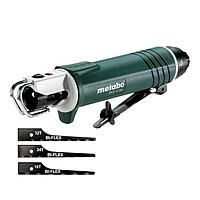
Air saw
When sheet metal, thin steel, aluminum, plastic, or composite parts need controlled cutting in a workshop, a pneumatic saw is often the practical choice. An Air saw is valued for compact handling, steady reciprocating motion, and compatibility with compressed-air systems already used across maintenance, fabrication, and automotive environments.
On this category page, buyers can compare air saws for different cutting demands, from lightweight tools for tight spaces to kits supplied with blades and accessories. The range also includes replacement blade sets and complete saw/file kits, making it easier to build a setup that matches day-to-day production or repair work.
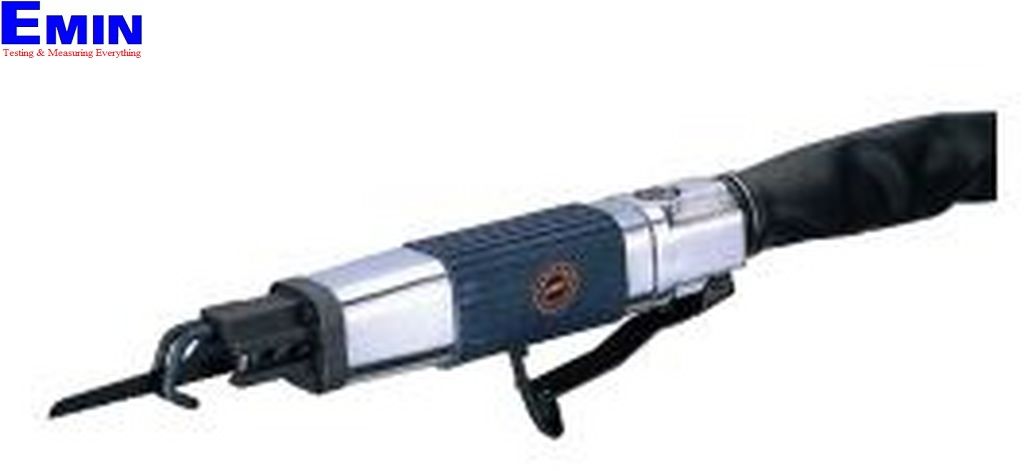
Where air saws fit in industrial and workshop use
Air saws are commonly selected where operators need a narrow cutting path, good maneuverability, and less tool bulk than larger cutting equipment. They are widely used for trimming panels, cutting exhaust components, body repair work, fabrication of light-gauge metal parts, and general maintenance jobs where access is limited.
Because they run on compressed air, these tools integrate naturally into broader pneumatic tool workflows. In the same working area, users may also combine sawing with drilling, fastening, grinding, or torque work, depending on the process sequence. For related operations, it can be helpful to review solutions such as air drills or air grinders.
Typical tool formats available in this category
This category includes standard reciprocating air saws, saw kits, and accessory items. Standard saws are usually chosen when the buyer already has preferred blades and air-line accessories, while kit versions can be more convenient for deployment in service teams or maintenance departments that want a ready-to-use package.
Examples in the range include the AIRTEC 559 Reciprocating Air Saw, AIRTEC 557/K Air saw, AIRTEC 553 Reciprocating saw, and AIRTEC 553/K Reciprocating saw kit. Buyers looking for packaged solutions may also consider the METABO DKS 10 SET Large diameter air saw or the Kawasaki KPT-1100 SAW/FILE KIT with saw blade, files, and hose-related accessories.
Key selection points before choosing an air saw
The first point to check is the material and cutting thickness involved in the application. Not every saw is intended for the same duty level, so buyers should match the tool to the real workload rather than choosing only by size or speed. In recurring production tasks, details such as stroke rate, stroke length, and blade compatibility can affect cut quality and operator efficiency.
A second factor is the available compressed-air supply. Air pressure, hose inner diameter, and average air consumption all influence real-world performance. If the workshop air system is shared across several devices, it is worth confirming whether the selected saw can operate consistently alongside other equipment such as air impact wrenches or air screwdrivers.
Weight and overall length also matter, especially in automotive repair, chassis work, enclosure cutting, and maintenance tasks performed in confined areas. A lighter body may improve control during repetitive cutting, while a slightly larger model may be preferred when stability and accessory support are more important than minimum weight.
Examples from leading manufacturers in this range
The category features products from METABO, SATA, KAWASAKI, Vessel, and AIRTEC. Each brand appears in slightly different use scenarios, from compact high-speed saws to kits intended for broader workshop utility.
For compact cutting work, the Vessel GT-AS10 Air Saw and Vessel GT-AS100 AIR SAW illustrate two different speed and size profiles. AIRTEC models such as the 554, 553, and 559 represent a practical selection for buyers comparing variations in weight, length, and air consumption. The SATA 02545 Pneumatic Reciprocating Saw is another example suited to users looking at reciprocating saw performance in a straightforward workshop format.
Where a more complete package is useful, the METABO DKS 10 SET Large diameter air saw stands out as a kit-oriented option, while KAWASAKI models such as the KPT-720 SAW and KPT-1100 SAW/FILE KIT fit buyers who want a combination of cutting capability and included accessories.
Blades, kits, and system compatibility
An air saw is only as effective as the blade and setup behind it. Blade tooth pattern, replacement availability, and ease of changeover all affect uptime. For operations that cut different materials in the same shift, access to the right blade format can be just as important as the saw body itself.
This is why the category also includes supporting items such as the KAWASAKI KPT-1100-40 Saw blade set. Accessory products like this are relevant for maintenance planning, especially when the saw is part of a frequently used service kit. Buyers should also confirm air inlet connection, hose sizing, and the condition of lubrication and filtration equipment in the compressed-air line to support long-term tool reliability.
What matters for operator comfort and daily use
In repetitive cutting applications, the decision should not be based on cutting speed alone. Tool weight, vibration level, and noise output all influence operator comfort and consistency over a full shift. A lightweight high-speed saw may be ideal for short interventions, while a more stable model may be preferred for controlled trimming work.
It is also useful to consider the working posture. Straight-body and compact saw designs can help when access is restricted behind panels, inside frames, or around pipework. In production or repair environments where tools are used continuously, choosing a model that matches both the task and the operator’s handling preference can improve productivity more than a marginal difference in headline specifications.
Choosing the right air saw for your application
For occasional maintenance and general cutting, a versatile reciprocating air saw with common blade support is often enough. For service teams, a kit-based solution may reduce setup time and simplify tool management. For more repetitive fabrication tasks, buyers may prioritize steady air demand, manageable vibration, and easy blade replacement.
If your work involves a broader compressed-air tool ecosystem, it is worth selecting an air saw that fits the same operating conditions and workshop standards as the rest of your equipment. A balanced evaluation of material type, available air supply, access conditions, and consumable support will usually lead to a better long-term choice than focusing on one specification in isolation.
This category is designed to help procurement teams, maintenance personnel, and workshop users compare suitable options across brands and formats. By reviewing the intended application first, it becomes much easier to shortlist the right air saw, kit, or accessory for efficient and reliable cutting work.
Get exclusive volume discounts, bulk pricing updates, and new product alerts delivered directly to your inbox.
By subscribing, you agree to our Terms of Service and Privacy Policy.
Direct access to our certified experts