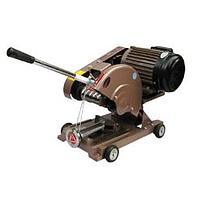
Cutting machine
Clean, accurate cuts are essential in fabrication, construction, maintenance, and installation work. Whether the job involves steel sections, threaded rod, pipe, sheet metal, or general-purpose trimming, choosing the right cutting machine helps improve productivity, reduce material waste, and support safer daily operation.
This category brings together a practical range of cutting tools and cutting accessories used across workshops, job sites, and industrial maintenance environments. From abrasive discs and metal shears to mitre saws, cut-off saws, and compact pipe cutters, the selection is suited to users who need equipment matched to the material, cut quality, and working conditions.
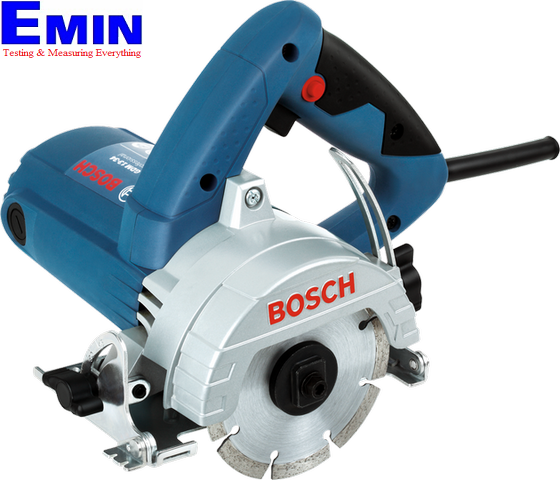
Where cutting machines are commonly used
In B2B purchasing, cutting equipment is rarely selected in isolation. Buyers usually need a tool that fits a specific workflow: preparing steel stock, trimming sheet metal, cutting pipe during MEP installation, sizing threaded rod for supports, or making repeatable angled cuts in fabrication.
That is why this category includes more than one machine format. Portable tools support mobility and field work, while larger cutting systems are better suited to repetitive or higher-capacity tasks. In many applications, the cutting result also depends on using the correct consumable, such as an abrasive disc or a blade designed for the intended material.
Main tool types in this category
Abrasive cutting solutions remain common for metalworking because they are simple, widely available, and suitable for many routine cutting tasks. Products such as the BOSCH A 30 R BF Cutting Disc (125 x 3 x 22.2mm) and BOSCH 2608600266 Cutting Disc (100x1.2x16mm) illustrate the role of cutting discs as core consumables for handheld cutting applications, especially where users need straightforward metal cutting in maintenance or fabrication work.
For more specialized tasks, the category also includes dedicated machines. The Milwaukee (tool) M18 BMS20-0 Compact Metal Shear is aligned with sheet metal cutting, while the Milwaukee (tool) M18 FCOS230-0G0 Cut Off Saw is more suitable for heavier cut-off applications. For controlled angle cutting in workshop environments, the Milwaukee (tool) M18 FMS254-0 Fuel Mitre Saw represents a different approach focused on repeatability and workpiece positioning.
Some products support narrower installation tasks. The Milwaukee (tool) C12 PC-0C Compact Copper Pipe Cutter and C12 PPC-0 Sub Compact PEX Cutter are examples of tools selected for pipework rather than general metal stock. There are also supporting cutting components, such as the BOSCH 2607010025 Edge Cutting Blade For GSC 2.8 Bosch, which fits into the broader cutting ecosystem as a replacement or functional accessory.
How to choose the right cutting machine
The first selection factor is material type. Cutting steel bar, sheet metal, copper tube, PEX pipe, and threaded rod requires different cutting methods. A machine that works efficiently for one material may not deliver the same speed, finish, or tool life on another. That is why buyers should begin with the workpiece, not just the power source or price range.
The second factor is the required cut format. Straight cut-off work, curved trimming, mitre cutting, and confined-space pipe cutting each point to different tool designs. If the application involves repeated fabrication steps, a dedicated machine may be more efficient than a general-purpose tool. If mobility matters more, a cordless compact platform can be the better fit.
It is also important to consider accessory compatibility. Disc diameter, bore size, blade format, and the machine’s intended attachment system all affect usability. In practice, many purchasing teams standardize not only on the tool, but also on the battery platform or consumable family to simplify maintenance and replacement planning.
Examples from BOSCH and Milwaukee
Within this category, BOSCH appears strongly in cutting consumables and accessory-oriented solutions. Its abrasive cutting discs are relevant for users who need routine cutting capacity for common metal applications, while a part such as the edge cutting blade for GSC 2.8 highlights the importance of keeping cutting tools supplied with the correct replacement components.
Milwaukee (tool) is represented here by a wider spread of machine formats. The lineup includes a compact metal shear, a mitre saw, a cut-off saw, a threaded rod cutter, and compact cutters for copper tube and PEX. This variety is useful for buyers who prefer to source multiple cutting functions within a common cordless ecosystem rather than mixing unrelated platforms.
For users comparing broader tool setups, related categories such as drill machines and drill bits may also be relevant when the same project includes both cutting and hole-making tasks.
Safety and operating considerations
Cutting operations generate heat, sparks, burrs, vibration, and flying particles, so safe handling is a basic purchasing and usage concern. Operators should always match the tool and consumable to the material, secure the workpiece properly, and allow the machine to complete the cut without forcing feed pressure beyond normal operating conditions.
For abrasive cutting, disc condition matters just as much as machine condition. Worn, damaged, or incompatible discs can reduce cut quality and increase risk. In pipe and rod cutting applications, a dedicated cutter often provides a cleaner and more controlled result than adapting a general-purpose tool.
Maintenance also affects long-term performance. Regular inspection of guards, moving parts, cutting edges, and replaceable accessories helps reduce downtime. On cordless equipment, buyers should also pay attention to battery platform compatibility and operational runtime expectations in relation to shift length and cutting frequency.
Cutting machines as part of a broader tool system
On many industrial sites, cutting tools are only one part of the workflow. Material preparation may also involve drilling, hole cutting, fastening, deburring, or installation finishing. As a result, the best buying decision is often the one that fits into a larger tool strategy rather than focusing only on one isolated product.
For example, fabrication and site installation teams often combine cutting tools with accessories and adjacent power tool categories depending on the sequence of work. A compact pipe cutter may be used during plumbing or HVAC installation, while metal shears or cut-off saws may support bracket preparation, steel trimming, or assembly modifications on site.
What to compare before placing an order
When reviewing products in this category, buyers should compare the intended application, supported material type, cutting capacity, portability, and consumable requirements. For cordless models, voltage platform and tool weight may influence productivity, especially in overhead or repetitive use. For workshop tools, cut stability and repeatability may be more important than compact size.
It also helps to distinguish between machines, consumables, and replacement cutting parts. A cutting disc solves a different need than a dedicated shear or mitre saw, and a replacement blade supports installed equipment rather than adding a new cutting capability. This distinction makes sourcing clearer and reduces mismatched purchasing.
Choosing a suitable solution for your work
A well-matched cutting setup supports cleaner output, smoother workflow, and better tool utilization across daily operations. In this category, users can evaluate both dedicated cutting machines and supporting accessories according to the material being processed, the level of mobility required, and the consistency expected from the final cut.
If your work involves metal fabrication, installation, construction support, or maintenance, reviewing the available cutting formats carefully will make selection easier. The most effective choice is usually the one that aligns with your actual task conditions, existing tool platform, and the type of material you handle most often.
Get exclusive volume discounts, bulk pricing updates, and new product alerts delivered directly to your inbox.
By subscribing, you agree to our Terms of Service and Privacy Policy.
Direct access to our certified experts