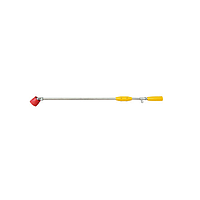
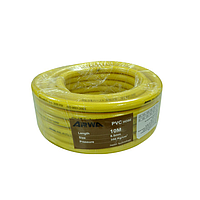
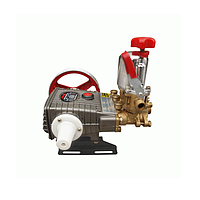
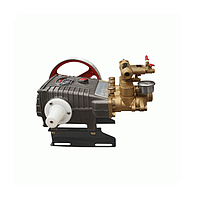
High Pressure Cleaner
Keeping equipment, work areas, vehicles, and building surfaces clean is not only about appearance. In industrial and professional environments, effective washing helps remove oil, dust, sludge, and other residues that can affect safety, inspection quality, and day-to-day operation. This is where High Pressure Cleaner equipment becomes a practical choice for fast, controlled cleaning with less manual effort.
On this page, you can explore a range of pressure cleaning tools within the broader power hand tool ecosystem. Depending on the job, users may be looking for portable cleaning equipment for maintenance work, workshop washdown solutions, or specialized tools that use air or pressure-assisted cleaning for pipes, ducts, and hard-to-reach areas.
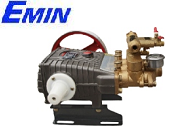
Where high pressure cleaning tools are commonly used
Pressure-based cleaning equipment is widely used in workshops, facility maintenance, service vehicles, construction support tasks, and technical cleaning applications. Typical jobs include removing dirt from machinery housings, cleaning floors and walls, clearing drains, and washing contaminated surfaces before inspection or repair.
In some environments, the requirement is not only water-based washing. Compressed-air and mechanical cleaning tools are also relevant when working with ventilation lines, narrow pipes, or deposits that need to be loosened and pushed out rather than simply rinsed away. That makes this category relevant for users comparing several cleaning methods based on the type of contamination and access conditions.
Different cleaning approaches within this category
Not every cleaning task calls for the same tool design. Some jobs are best handled by a conventional pressure washer, while others require a more specialized solution such as a pneumatic drain cleaner or a rotary cleaning system for ducts and chimneys. Understanding this difference helps buyers avoid underpowered or unsuitable equipment.
For example, the Milwaukee (tool) M12 DCAG-0C AIRSNAKE Drain Cleaning Air Gun is aimed at drain clearing tasks where controlled air pressure is used to remove blockages in pipe runs. In contrast, products from Wöhler in this category context are more closely associated with pipe, vent, and chimney cleaning systems that use pneumatic or rotary action for maintenance work in technical installations.
Representative product types and how they fit real work
A compact air-powered drain cleaner such as the Milwaukee M12 DCAG-0C AIRSNAKE is useful when portability matters and when operators need a fast way to address common blockages in smaller pipe diameters. Features like pressure indication and controlled release are especially relevant where safe operation and repeatable results are important.
For duct and pipe maintenance, the Wöhler DH 420 Pneumatic Viper and the Wöhler 7570 Compressed Air Cleaning Professional Set illustrate a different workflow. These systems are designed for guided cleaning inside pipes using hoses, nozzles, and accessories, making them suitable for service professionals who need reach, control, and compatibility with compressed-air setups.
Rotary tools such as the Wöhler 7423 Rotary Viper Chimney and the Wöhler 4880 Rotary Viper Vent are relevant when deposits must be mechanically brushed or loosened inside ventilation or chimney systems. In practice, these tools support preventive maintenance as much as corrective cleaning, especially where internal buildup can affect airflow or system performance.
How to choose the right high pressure cleaning equipment
The first selection factor is the cleaning medium: water pressure, compressed air, or rotary mechanical action. Surface washing, drain clearing, and duct cleaning are very different applications, so the correct tool should match the cleaning mechanism to the actual job rather than relying only on general product labels.
The second factor is working range and access. Pipe diameter, hose length, cleaning distance, and the ability to reach bends or confined sections all affect performance in real use. A portable unit may be ideal for quick service calls, while a larger set with hose reels, nozzles, or guide accessories may be more suitable for repeated professional maintenance work.
It is also important to consider the available power source or air supply, the operating environment, and the expected frequency of use. Buyers who already work with related installation or maintenance tools may also want to review accessories such as drill bits or a suitable drill machine when selecting rotary cleaning solutions that integrate with drill-driven operation.
Why specifications should be read in context
Technical data such as pressure range, hose length, pipe compatibility, cable or rod length, and overall tool weight can strongly influence usability. However, these figures only become meaningful when they are matched to the cleaning scenario. A longer reach is valuable for deeper runs, but maneuverability may matter more in compact spaces or routine maintenance calls.
Likewise, accessories and system components often determine whether a tool fits the task efficiently. A cable wheel, nozzle configuration, brush head, guide element, or measuring counter can change how accurately a user cleans and monitors progress. For this reason, it is often better to evaluate a cleaning solution as a working system rather than as a standalone tool body.
Applications in maintenance, HVAC, and facility service
This category can support a broad set of service activities, from unclogging drains to maintaining ventilation and chimney paths. In building maintenance and HVAC-related work, cleaning tools must often handle dust, grease, soot, or moisture-related residues without damaging the internal structure of the system being serviced.
For technical service teams, choosing the right cleaner can also reduce downtime and improve inspection readiness. Clean internal pathways make it easier to verify system condition, prepare for repair, and maintain reliable operation over time. Where hole preparation or supporting installation work is also involved, users may additionally browse items such as hole saw solutions to complete the job with the right tool chain.
Choosing between general-purpose and specialized solutions
A general-purpose pressure cleaning tool may be enough for open surfaces, workshop washdown, and basic maintenance cleaning. But where the job involves internal channels, drains, vents, or chimneys, a specialized system usually offers better reach, control, and cleaning consistency. That is why this category includes examples that go beyond standard surface cleaning equipment.
Specialized cleaning tools are often a better fit when access is limited, deposits are stubborn, or the operator needs to work inside enclosed paths. Looking at intended application, available accessories, and method of operation will usually lead to a better buying decision than comparing only headline performance figures.
Final considerations for buyers
When selecting from a high pressure cleaning range, the most useful approach is to start from the cleaning task itself: surface washing, drain opening, duct maintenance, or chimney cleaning. From there, compare the cleaning method, working reach, compatibility with your existing setup, and the level of portability required on site.
This category is best used as a practical starting point for matching cleaning equipment to real maintenance work. If you need help narrowing down the right solution, focus on the environment, the type of residue, and the access conditions first, then review the available systems and accessories that support reliable long-term use.
Get exclusive volume discounts, bulk pricing updates, and new product alerts delivered directly to your inbox.
By subscribing, you agree to our Terms of Service and Privacy Policy.
Direct access to our certified experts