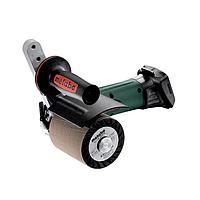
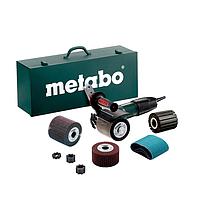
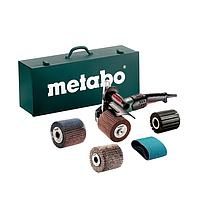
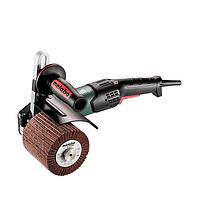
Polishing Machine
Surface finishing quality depends as much on tool control as on the machine itself. Whether the job involves painted panels, stainless steel, plastic trim, or other workpieces that need a cleaner final appearance, choosing the right polishing machine helps reduce rework, improve consistency, and make the process easier to control.
On this category page, buyers can compare corded and cordless options, compact detail polishers, and random orbital designs for different workloads. The range also includes well-known industrial and professional tool brands, making it easier to match the machine to the material, working area, and duty cycle required.
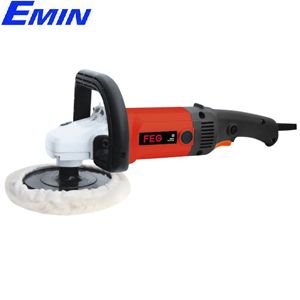
Where polishing machines are typically used
Polishing tools are commonly selected for finishing and restoration work where the goal is to improve surface appearance without removing excessive material. In practice, they are used in workshops, maintenance teams, fabrication environments, car care applications, and general finishing tasks where speed control and pad selection matter.
Compared with more aggressive material-removal tools, a polisher is usually chosen when the job calls for smoother correction, gloss enhancement, or controlled surface refinement. In a broader tool setup, it may be used alongside equipment such as a drill machine for preparation and assembly work, depending on the workflow.
Common machine types in this category
Not every polishing application needs the same motion pattern or machine size. A standard rotary polisher is often suitable for larger pads and continuous finishing work, while a random orbital design is often preferred when users want more controlled movement and reduced risk of visible swirl marks on sensitive surfaces.
Compact cordless units are useful for spot correction, detail work, and tighter spaces. For example, the Milwaukee (tool) M12 BPS-0 Polisher Sander (76mm) fits smaller-area polishing and sanding tasks, while larger machines such as the BOSCH GPO 12 CE Polisher (1250W) or SKIL 9080 POLISHER are more aligned with broader working surfaces and longer operating sessions.
How to choose the right polishing machine
The most practical way to choose is to begin with the workpiece and operating conditions. Buyers typically compare pad diameter, speed range, tool weight, power source, and handling. Larger pad sizes can improve coverage on wide surfaces, while smaller machines offer better access and control for edges, corners, and localized correction.
Power supply also affects usability. Corded machines are often considered for stable, continuous workshop use, while cordless models bring mobility for field work or areas where cable management is inconvenient. Options such as the MAKITA DPV300RTJ Cordless Sander Polisher and Milwaukee (tool) M18 FROP15-0 Random Orbital Polisher show how battery platforms can support mobile polishing without relying on a nearby outlet.
Brand preference may also play a role for businesses standardizing on existing battery ecosystems or service networks. This category includes tools from BOSCH, MAKITA, Milwaukee (tool), HITACHI KOKI, SKIL, Trotec, and FEG, covering a range of working styles from compact finishing to larger-format polishing.
Key selection points for B2B buyers
For trade and industrial purchasing, the decision usually goes beyond basic speed and wattage. A suitable machine should align with expected runtime, operator comfort, pad compatibility, and the type of finish required. Speed control is especially important because different materials and compounds respond differently to heat and friction.
Weight and balance also matter in daily use. A lighter machine may reduce fatigue during overhead or extended handling, while a more robust design may be preferred for stable contact on flat surfaces. If the application includes repeat jobs across multiple stations, buyers may also compare cord length, battery compatibility, and accessory format to simplify deployment.
- Choose compact tools for detail correction and confined areas.
- Choose larger pad formats for broader surfaces and higher coverage.
- Consider variable speed for better control across polishing stages.
- Match the machine type to the sensitivity of the surface finish.
Examples from the current product range
Several products in this category illustrate the variety available. The BOSCH GPO 950 Polisher (950 W) and BOSCH GPO 12 CE Polisher (1250W) represent corded polishing options for users who need consistent power delivery. The MAKITA 9207SPB Sander Polisher (180 mm) is another example suited to larger polishing pads and general finishing work.
For buyers looking at orbital motion, the Trotec PPOS 10‑120 Random Orbital Polisher and Trotec PPOS 10‑20V Random Orbital Polisher provide alternatives in corded and battery-powered formats. Milwaukee (tool) also offers higher-mobility solutions through the M18 FROP21-0 Random Orbital Polisher and other cordless models in the same ecosystem. If your team already uses battery-based power tools across operations, it may also be useful to review the Milwaukee (tool) brand page for related platform options.
Common usage mistakes that affect finishing quality
Many poor polishing results come from setup errors rather than machine defects. One of the most frequent issues is using the wrong pad or accessory for the surface. A pad that works on metal may be too aggressive for painted or plastic parts, while a softer setup may be inefficient on harder materials.
Another common problem is running at high speed through the entire process. Excessive speed can increase heat, reduce control, and leave an uneven finish. In most cases, a better approach is to start conservatively, adjust based on surface response, and maintain even movement instead of forcing faster correction.
Excessive pressure is also a frequent mistake. Most polishers are designed to work with controlled contact rather than heavy force. Pressing too hard can shorten pad life, increase operator fatigue, and worsen marks on the surface. Proper cleaning before polishing is equally important, because dirt particles trapped under the pad can create scratches instead of improving the finish.
Related tools in a broader workshop setup
Polishing is often one step in a wider fabrication, repair, or finishing process. Depending on the job, teams may combine this category with drilling, cutting, fastening, or surface preparation tools. For users building out a more complete toolkit, related categories such as drill bits can support adjacent operations where hole-making or fixture installation is part of the same workflow.
This broader context is useful for procurement teams that want compatibility across tool categories rather than treating polishing as an isolated purchase. When evaluating options, it helps to consider not only the machine itself but also the surrounding accessories, maintenance routine, and the skill level of the intended operators.
Final considerations before buying
A suitable polishing machine should match the surface type, working area, and operating pattern more than any single headline specification. Compact cordless tools are often practical for detail work and mobility, while larger corded units remain relevant for longer sessions and wider surfaces. The right balance usually comes from comparing motion type, pad size, speed range, and handling characteristics together.
This category brings together multiple machine formats from established brands, helping buyers shortlist tools for finishing, restoration, and appearance-focused surface work. If you are comparing options for workshop use, maintenance teams, or mobile service applications, focusing on the actual polishing task and operator workflow will lead to a more reliable selection.
Get exclusive volume discounts, bulk pricing updates, and new product alerts delivered directly to your inbox.
By subscribing, you agree to our Terms of Service and Privacy Policy.
Direct access to our certified experts