
Trimmer
Clean edge finishing, slot cutting, laminate trimming, and light profiling all require a tool that is compact, fast, and easy to guide by hand. In many workshops and installation jobs, a trimmer is the practical choice when a full-size router would be too large or less convenient for detailed work.
On this page, buyers can explore handheld trimming and small routing tools used for wood processing, joinery, renovation, and general fabrication. The category includes compact palm routers, trim routers, and related light-duty routing machines suited to controlled material removal on edges, grooves, and decorative details.
Where trimmers fit in everyday workshop work
A trimmer is typically chosen for jobs that demand mobility, visibility, and fine handling. Compared with heavier routing equipment, these tools are often preferred for edge treatment, shallow groove work, hinge recesses, laminate finishing, and small-batch woodworking tasks where speed and control matter more than large cutting capacity.
They are common in furniture production, interior fit-out, carpentry, maintenance teams, and on-site installation work. For users building a broader handheld tool setup, it can also make sense to compare this category with other shop essentials such as drill machines for hole-making and general assembly.
Common tool styles found in this category
Not every machine here serves exactly the same role. Compact palm-style tools such as the BOSCH GKF 550 Palm Router or MAKITA M3700B Trimmer are well suited to edge trimming and light routing where low weight helps reduce operator fatigue. These designs are often selected for finishing passes and repetitive handheld work.
There are also heavier routing tools in the category that support broader woodworking tasks. For example, the Trotec PRTS 10-1200 Routing Machine offers a wider operating range for users who need more versatility, while products described as timber scanners or wood milling machines reflect another naming convention sometimes used in the market for handheld woodworking routers.
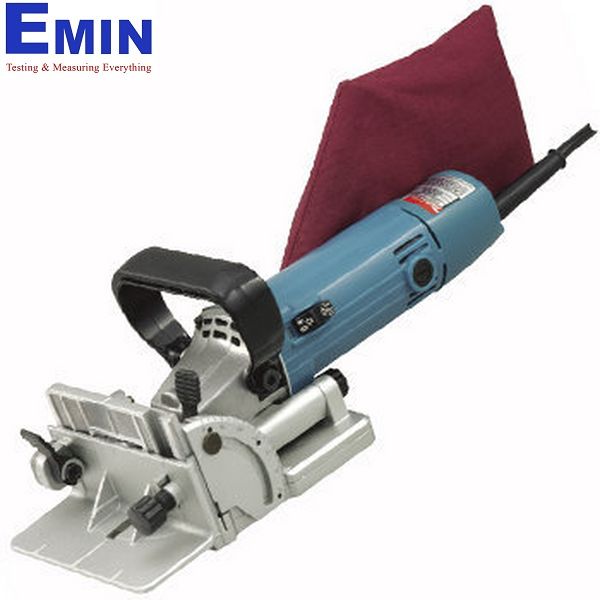
Some items serve adjacent joinery functions rather than pure edge trimming. The MAKITA 3901 Plate Joiner, for instance, is relevant in the same woodworking workflow because it helps create aligned joints, even though its application differs from a standard trim router.
What to consider before choosing a trimmer
The right selection usually depends on the material, cut depth, working duration, and the amount of portability required. Power rating gives a general indication of cutting capability, but it should be considered together with no-load speed, collet size, and overall tool weight. A light 530W-class model may be ideal for edge finishing, while users handling deeper or more demanding cuts may prefer a higher-power machine.
Speed range is also important when working across different materials or bit sizes. A model such as the Milwaukee M18 FTR-0X0 FUEL Trim Router offers variable speed control, which is helpful when balancing finish quality and material response. Meanwhile, corded tools like the MAKTEC MT372 or BOSCH GKF 550 may suit fixed workstations or jobs where continuous power availability is preferred.
Buyers should also pay attention to handling factors such as base stability, grip style, cable or battery preference, and depth adjustment. In practical use, these details influence control and repeatability as much as motor output does.
Illustrative products in this category
Several representative models help show the range of use cases covered here. The MAKTEC MT372 Milling Machine is a compact corded unit with high no-load speed and a light form factor, making it suitable for trimming and detail work. The BOSCH GKF 550 Palm Router sits in a similar compact segment for users looking for a straightforward handheld option.
For cordless mobility, the Milwaukee (tool) M18 FTR-0X0 FUEL Trim Router is relevant where movement around the job site matters and access to mains power is limited. In another direction, the MAKITA 3711 Trimmer and MAKITA M3700B Trimmer represent practical options for general woodworking and edge-routing tasks.
The category also includes larger handheld routing machines such as the Trotec PRTS 10-1200 Routing Machine and higher-power timber-routing products from FEG and GOMES. These may be considered by users who need more aggressive cutting capacity than a compact palm router typically provides.
Corded or cordless: which is better for your application?
There is no single best format for every operation. Corded trimmers are often selected for bench work, repetitive production, and locations where uninterrupted runtime is more important than mobility. They are common in joinery shops, furniture manufacturing, and maintenance areas with stable power access.
Cordless trim routers are often more attractive for installation teams, site carpenters, and technicians moving between work areas. Battery-powered tools reduce cable management and can improve convenience in tight spaces, though the overall choice should still reflect duty cycle, tool balance, and the available battery platform within the buyer’s existing equipment ecosystem.
If your work frequently includes pilot holes, fastening preparation, or material pre-processing before trimming, related categories such as hole saw tools may also be worth reviewing as part of a more complete workflow.
Safe and effective use in woodworking applications
Because these tools operate at high rotational speed, safe operation depends on proper setup and workholding. The workpiece should be secured firmly, the bit should match the material and intended cut, and the operator should confirm that the collet is tightened correctly before use. Light passes are generally easier to control and help reduce burning, chatter, or edge tear-out.
Personal protective equipment remains essential, especially eye protection and suitable workwear that will not catch near rotating parts. Users should also make sure power can be disconnected quickly when changing bits or adjusting depth settings. For many workshops, trimmers are used alongside consumables and accessories from other tool groups, including drill bits for preparation tasks in wood or composite materials.
How manufacturers differ in this category
Brand preference in this segment often comes down to handling style, platform compatibility, and the buyer’s expected duty level. MAKITA appears in this category with multiple compact routing and joinery tools, which is useful for buyers standardizing around a familiar service and accessory ecosystem. BOSCH and Milwaukee (tool) are also relevant choices where users prioritize recognizable handheld tool platforms for workshop or site use.
At the same time, brands such as MAKTEC, FEG, GOMES, and Trotec expand the available range for buyers comparing size, power class, and job type. Rather than choosing by brand alone, it is usually more effective to match the tool to the intended cut, frequency of use, and operator preference.
Choosing the right trimmer for B2B purchasing
For procurement teams and workshop supervisors, the best buying decision usually starts with the application: edge trimming, laminate finishing, groove cutting, light profiling, or more demanding routing work. From there, compare compactness, power source, speed control, bit capacity, and whether the tool will be used on-site or at a fixed bench.
This category is designed to help buyers evaluate those needs across several practical product types, from lightweight palm routers to more substantial woodworking routing machines. A well-matched trimmer improves control, finish quality, and day-to-day efficiency without adding unnecessary size or complexity to the job.
Get exclusive volume discounts, bulk pricing updates, and new product alerts delivered directly to your inbox.
By subscribing, you agree to our Terms of Service and Privacy Policy.
Direct access to our certified experts

