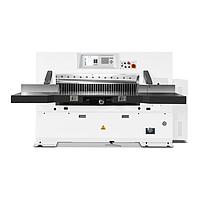
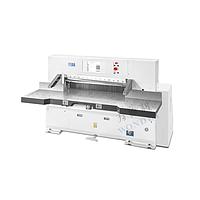
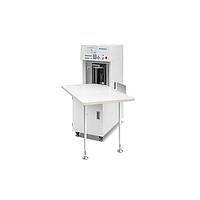
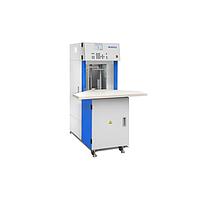
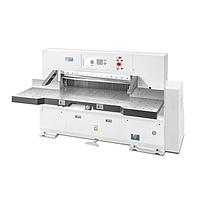
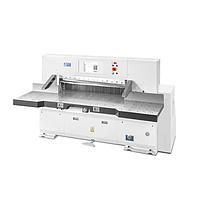
Paper processing machinery
Efficient paper handling is a critical part of modern printing, converting, and post-press workflows. When stacks are heavy, formats vary, and production speed matters, the right paper processing machinery helps reduce manual handling, improve stack quality, and support a more stable downstream process.
This category brings together equipment used to turn, lift, and unload paper stacks in industrial environments. It is especially relevant for operations that need consistent pile alignment, safer material movement, and better preparation before cutting, printing, or finishing. For broader production needs, this category also fits naturally within the wider range of industrial machinery used in manufacturing and process handling.
Where paper processing machinery fits in production
In many plants, paper does not move directly from pallet to final process in a single step. Stacks often need to be reoriented, loosened, lifted to a workable height, or unloaded in a controlled way so the next machine can run smoothly. That is where specialized handling equipment becomes important.
Compared with manual handling, dedicated machines can help standardize pile preparation and reduce the risk of damage caused by misalignment, unstable stacks, or inefficient transfer. This is particularly useful in print shops, packaging plants, and paper converting lines where throughput and repeatability matter.
Main equipment types in this category
The strongest focus in this category is on paper pile turners, along with stack lifting and unloading equipment. Each type serves a different point in the workflow, but all are aimed at improving how paper stacks are handled before or after a production step.
Paper pile turners are designed to clamp and rotate stacks so operators can change pile orientation, improve accessibility, or prepare material for the next stage. Stack lifting devices support ergonomic positioning of paper piles, while paper unloaders help separate or discharge stacks in a more controlled manner.
Paper pile turners
Several representative DATIEN models show the typical range available in this category. For example, the DATIEN DPT-125A/140, DPT-135A/140, and DPT-135A/180 cover compact to mid-size handling needs, while larger units such as the DPT-165A/140 and DPT-220A/210 are suited to bigger loading areas and taller clamping heights.
For operations that require heavier-duty handling, models such as the DATIEN DPTJ-125A/180R, DPTJ-145A/200R, and DPTJ-165A/200R illustrate a higher-capacity tier. These machines are typically considered where larger paper sizes, higher stacks, or greater load weights are part of daily production.
Stack lifting devices
Mobile lifting equipment plays a practical supporting role in paper handling systems. The DATIEN DL-120 and DL-145 are examples of mobile stack lifting devices intended to position pallets or stacks at a more convenient working height.
In real production environments, this type of equipment can help reduce repeated manual repositioning and make feeding or transfer tasks easier. It is often useful where floor space, operator access, and flexibility are all important considerations.
Paper unloaders
Paper unloading equipment is relevant when stacks must be discharged or separated in a controlled sequence. The DATIEN DUL-145XL Paper Unloader Machine is an example from this category that supports stack handling after a previous process step.
This type of machine can be valuable in workflows where pile integrity, direction of output, and smooth transfer to the next operation affect productivity. Rather than treating unloading as a simple end step, many facilities use it as part of an integrated material-handling strategy.
How to choose the right machine
Selection usually starts with the physical characteristics of the paper stack. Key factors include loading area, stack height, maximum load weight, and the available installation space around the machine. These points matter because a machine may handle the paper size itself, but still require more room for operation, turning clearance, or operator access.
It is also important to match the equipment to the actual process objective. If the main need is reorientation and pile handling, a turner may be the right fit. If the priority is easier feeding and better working height, a lifting device may be more appropriate. If the line requires controlled stack discharge, an unloader may be the better choice.
Power requirements and machine footprint should also be reviewed early in the project. This helps avoid issues during installation planning, especially in production spaces where other systems, traffic paths, or safety zones are already defined.
Why manufacturer context matters
Within this category, DATIEN is the most visible manufacturer in the current product range, with multiple machines covering different stack dimensions and handling requirements. This gives buyers a useful reference point when comparing compact equipment against larger-capacity systems within the same brand ecosystem.
Yeong Jong is another relevant manufacturer for buyers who want to explore additional paper handling solutions. Looking at manufacturer pages can help purchasers review available machine families, compare handling formats, and understand how different models may fit into existing plant layouts.
Applications and integration considerations
Paper processing machinery is often selected not as a standalone purchase, but as part of a wider production line improvement. In practice, these machines may be installed between storage, printing, cutting, packaging, or finishing stages to support smoother material flow and more predictable handoff between operations.
Facilities that process different paper sizes or batch types often benefit from machines that can handle a useful range of stack dimensions. In addition, businesses planning a broader workflow upgrade may also review related categories such as heat shrinking machines for packaging stages or industrial chillers that support temperature-sensitive production equipment.
Typical buying priorities for B2B users
Industrial buyers usually evaluate this category based on throughput support, operator safety, compatibility with existing pallets or stack sizes, and the practicality of installation. Reliability in daily handling is often more important than headline specifications alone, especially in facilities where paper moves continuously across multiple shifts.
Another common priority is workflow consistency. A properly matched machine can help reduce interruptions caused by unstable stacks, awkward lifting, or inefficient transfer. Over time, this may contribute to smoother production planning and a more controlled handling process around critical paper operations.
Finding a suitable paper handling solution
This category is intended for buyers who need more than basic transport equipment and are looking for machines that directly support stack turning, lifting, and unloading tasks. From compact units to larger heavy-duty systems, the available range reflects different paper sizes, load capacities, and layout constraints found in industrial settings.
If you are comparing options, focus on the actual stack dimensions, working height needs, available floor space, and how the equipment will connect to the next step in your process. A well-chosen paper processing machinery solution can make paper handling more organized, more repeatable, and easier to integrate into a productive manufacturing workflow.
数量割引、まとめ買い価格の更新、新製品情報をメールでお届けします。
登録することで、当社の利用規約およびプライバシーポリシーに同意したものとみなされます。
認定専門家へ直接アクセス