
2026年10月07日 11時18分36秒
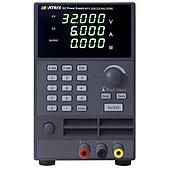
Low ripple and high accuracy solve different circuit-test risks: noise-sensitive work needs a clean output, while margin and tolerance tests depend on trustworthy setpoints.
Low ripple and high accuracy solve different circuit-test risks: noise-sensitive work needs a clean output, while margin and tolerance tests depend on trustworthy setpoints.
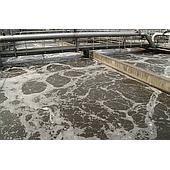
Wastewater treatment plants use aerobic tanks to break down pollutants. Biological problems occur when the sludge turns black with surface foam, causing effluent water parameters to exceed permissible limits. Addressing this situation requires engineers to measure core environmental parameters instead of adding random probiotics
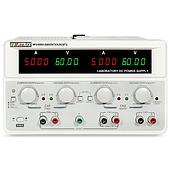
An adjustable DC power supply should match the application’s voltage and current requirements, include suitable protection functions, and fit the existing test setup’s interface needs.

This article analyzes three core technical causes of sample failure despite correct speed settings, incorporating safety standards (OSHA/COSHH) and practical handling procedures from two previously implemented high-speed centrifuge operating manuals.

A comprehensive occupational safety handbook integrating quantitative technical standards and international-standard emergency response procedures
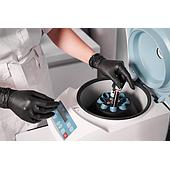
In clinical testing and the preparation of platelet-rich plasma (PRP), the success of the procedure depends entirely on the precision of sample separation. The EMIN refrigerated centrifuge effectively eliminates the issue of sample denaturation caused by frictional heat through an active cooling mechanism, thereby maximizing the preservation of enzymatic and cellular biological activity

Reliable torque control combines application-appropriate tools, scheduled calibration, preventive maintenance, and routine testing to manage fastening consistency.
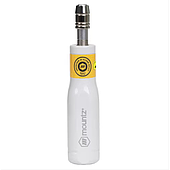
ESD-safe torque screwdrivers combine electrostatic-discharge control with controlled fastener tightening. They are useful when assembling circuit boards, microprocessors, sensors, and other static-sensitive electronic components.
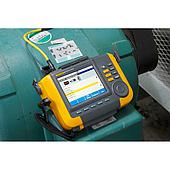
Loosening or wear never happens overnight; it always stems from minor degradations over time. If the maintenance team waits until mechanical noise is emitted or bearings overheat before intervening, the production line already faces the risk of unexpected downtime and massive repair costs.
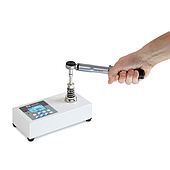
Effective bolted-joint tightening depends on calibrated torque control, torque values informed by joint testing, and a tightening sequence that distributes preload evenly. Washer fit, flange fasteners, gasket relaxation, and embedding also affect preload retention.
数量割引、まとめ買い価格の更新、新製品情報をメールでお届けします。
登録することで、当社の利用規約およびプライバシーポリシーに同意したものとみなされます。
認定専門家へ直接アクセス