What is light intensity?
Concept of light intensity
Luminous intensity represents the energy emitted by a light source in a particular direction. It indicates how strong or weak the light is from that light source. When the luminous intensity is high, the emitted light will be stronger and vice versa..
Lux light intensity
Lux is a unit of measurement of light intensity, representing the light output per unit area (m²), also known as illuminance.
Unit of measurement of light intensity
The unit of measurement for luminous intensity is the Candela (cd). One candela is the luminous intensity of a source emitting 1 lumen in a given direction within a solid angle.
Formula for calculating light intensity and how to measure it
Formula for calculating light intensity
To determine light intensity, we use the following formulas:
- Illuminance (Lux) = Luminous flux (lumen) / Area (m²)
- Light intensity (I) = Luminous flux (lumen) / Solid angle (steradian)
For example:
Suppose you have a lamp with a luminous flux of 1 lumen. If you adjust the light output to focus in a beam with a solid angle of 1 steradian, the intensity of the beam will be 1 candela. If you adjust the solid angle to 1/2, the intensity of the light will increase to 2 candelas, making the beam narrower but brighter.
How to measure light intensity
There are two common methods for measuring light intensity:
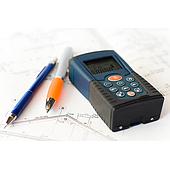
1. Using a dedicated light meter.
2. Using a light meter app on your smartphone.
Factory lighting standards
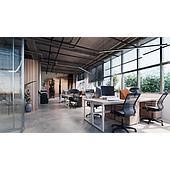
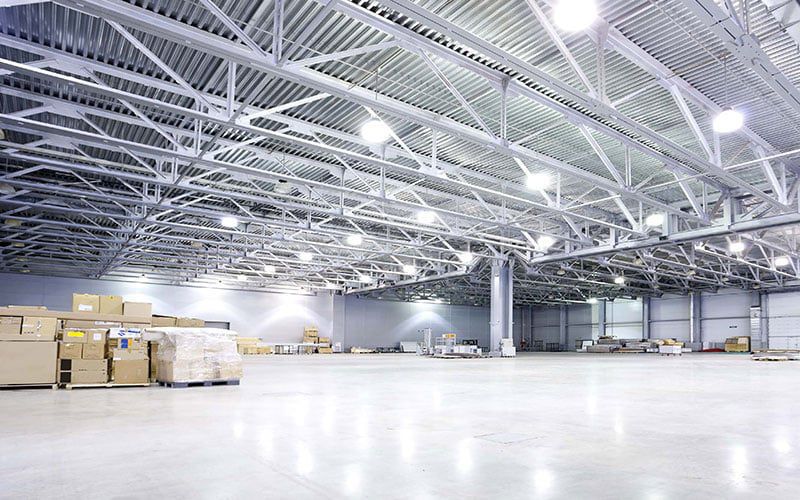
Factory lighting requirements: Light intensity in the production area must meet standards to ensure labor productivity. Lighting design must be adequate, with glare not too high to ensure eye comfort.
Standard light intensity for housing
Similar to factory areas, families need to calculate appropriate lighting to ensure that it does not harm eyesight and saves electricity.
Ensuring standard lighting also helps protect health.
Some typical illuminance levels for each room are: bedroom 150 lux, living room 400 lux, and bathroom 400 lux. Super bright LED lights are a popular choice for home lighting.
Corridor lighting standards
Corridor areas are often less used and do not require high lighting. The light intensity should range from 100 lux - 200 lux, suitable for lamps such as recessed lights and spotlights.
The light in the classroom meets the standard light intensity
The classroom needs good light for easy reading and note-taking. The light intensity ranges from 700 lux - 750 lux, ensuring that the light on the desk is strong enough to not cause eye strain or eye pain.
Kitchen lighting standards
Kitchen lighting: The kitchen area needs quality lighting to serve the cooking task well. The standard light intensity for the kitchen is 400 lux.
Hotel lighting standards
Each area in the hotel has different lighting requirements. It is important to install the right number of bulbs and ensure the right lighting for each area.
For example, the reception and lobby need 200 lux, conference rooms 300 lux, bedrooms 100 lux, restaurants 200 lux, kitchens 500 lux, hallways 200 lux, bathrooms 300 lux, and parking areas 75 lux.
Designing a standard lighting system will help the hotel operate efficiently and create a good impression on customers.
Bathroom lighting standards
Toilets do not require high quality lighting. Light intensity should range from 200 lux – 250 lux, enough to ensure lighting for necessary activities.
Conclude:
So you have understood what light intensity is and what the lighting standards are for each space. Hopefully this information will help you better understand the lighting requirements of each area, thereby easily choosing the right type of lamp to meet current lighting standards.