Some common situations when electrical accidents occur at home

Deteriorated electrical wiring and loose connections: Many recent fires have been caused by worn or improperly installed electrical wiring. Because they are hidden deep in the wall, these problems are easy to overlook, but once an incident occurs, the consequences can be dire.
- Overloaded outlets and cords: Plugging too many devices into the same outlet or using substandard cords is a common cause of overload, leading to overheating and a high risk of fire.
- Old or damaged equipment: Old equipment not only lacks modern safety features but is also prone to errors during use. Exposed or damaged electrical wires are the source of electrical accidents that many people often ignore.
- High humidity near electrical outlets: The kitchen and bathroom areas are where electricity and water often come into contact. Just a little carelessness, water entering the electrical outlet is enough to cause a short circuit or even electric shock.
- Lack of safe grounding system: Grounding is an important factor to redirect the electric current when an accident occurs. If not installed properly, the risk of electric shock will always lurk, especially when the equipment malfunctions or the current suddenly increases.
Why does electricity cause fire and explosion?
All it takes is a small spark or an overheated electrical wire to start a fire in your home. The problem often stems from common but easily overlooked causes: faulty wiring, overloaded circuits, or malfunctioning appliances. Over time, loose connections or improper installation can cause the insulation around the wire to deteriorate. This increases the risk of a short circuit. If a short circuit occurs in a place with combustible materials such as wood, carpet, or curtains, the consequences can be extremely serious.
The Dreadful Dangers of Electricity
- Electric shock: Just one accidental touch of a leaking electrical device can cause serious injury, even death. The risk is even higher for young children or when exposed to electricity in a humid environment such as a bathroom or near a faucet.

-Electrical burns: When electricity passes through the body or ignites flammable materials, the result is deep and painful burns. Broken electrical equipment, peeled or exposed electrical wires are constant dangers that are easily overlooked in daily life.
-Fire and explosion: Old electrical wiring systems, loose connections or overloaded circuits all pose the risk of sparks and explosions at any time. A small spark, if it meets flammable materials, can have unpredictable consequences.
-No one wants these incidents to happen, but they can happen at any time if we are subjective. Periodically check the electrical system in the house and handle it immediately when detecting any unusual signs.
Check and detect promptly to avoid unwanted things.
First, you need to regularly observe the condition of the electrical wires, sockets and switches. Check whether the wires are cracked, exposed, scorched or compressed; whether the sockets and switches are loose, deformed or show signs of fire or explosion. Pay special attention to high-risk areas such as the kitchen, where there are many high-power electrical appliances, the bathroom, where it is humid and near water sources, as well as the garden or balcony, where the outdoor electrical system is easily affected by weather conditions.
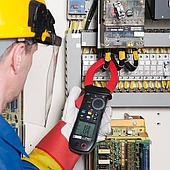
Next, to accurately assess the condition of the electrical system, you can use specialized testing equipment. For example, an electric tester helps to quickly identify electrical leaks in sockets and switches; a multimeter is used to test voltage and resistance; and an anti-shock device (ELCB) will automatically cut off the power as soon as it detects a leakage current. When using these devices, read the instructions carefully and ensure personal safety, such as checking with dry hands and standing on an insulated surface.
If you detect unusual signs such as a burning smell, scorched sockets, unstable flashing lights, exposed wires or feeling an electric shock when touching the device, do not hesitate to call a professional electrician to check and handle it promptly. These measures not only protect the safety of your family but also help avoid property damage.
Finally, installing the electrical system according to standards is a key factor in preventing risks. Make sure to use quality components such as standard wires, sockets, switches, install automatic circuit breakers or circuit breakers to cut off the power when there is a problem, and the electrical system needs to be properly grounded. At the same time, only use genuine electrical equipment with clear origins from reputable stores to avoid risks due to counterfeit and poor quality goods.
See related articles: Which 1000V electric tester should I use that is safe and has a good price?