Freshness assessment is central to pork quality management during processing, refrigerated storage, distribution, and retail. Conventional measurements of total volatile basic nitrogen (TVB-N) and total viable count (TVC) can provide useful quality information, but these methods may be time-consuming and require samples to be altered or destroyed. For operations seeking faster screening methods, hyperspectral imaging offers a non-contact approach for capturing both spectral and spatial information from the product surface.
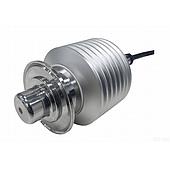
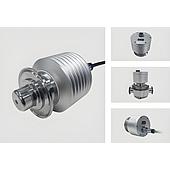
One research application used the CHN SPEC FS-IQ-VISNIR portable hyperspectral camera with machine learning models to evaluate changes associated with pork freshness. The work illustrates how visible-near-infrared hyperspectral data may support quantitative, non-destructive prediction of selected freshness indicators.
Why pork freshness requires efficient assessment
Pork can undergo measurable changes during refrigerated storage. TVB-N and TVC are commonly used indicators in freshness evaluation, yet traditional laboratory-based testing is not always suited to rapid or online inspection workflows. A method that gathers data without direct contact and preserves the sample can be valuable when many products must be assessed over time.
Hyperspectral imaging combines imaging with spectral measurement. Rather than recording only conventional color information, it collects a spectrum at many image locations. This makes it possible to analyze spatial patterns as well as wavelength-related responses that may change as the product condition changes.
FS-IQ-VISNIR in the research workflow
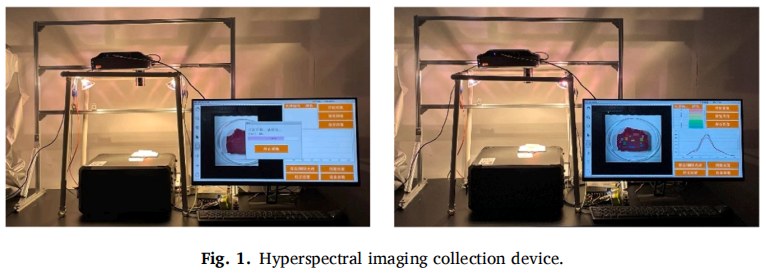
The study used the FS-IQ-VISNIR to acquire visible-near-infrared data from pork tenderloin stored at 4°C for up to 14 days. The dataset included 112 samples collected at seven storage time points, with 16 samples at each point.
The camera was used in a push-broom imaging configuration across a 400–1000 nm wavelength range. The source data describes 1200 spectral channels, approximately 0.5 nm spectral sampling, and 1920×1920 pixel image resolution for the acquisition setup. The listed product specifications for FS-IQ-VISNIR include a 400–1000 nm spectral range, 2.5 nm spectral resolution, 1920×1920 image resolution, and 1200 spectral channels.
Preparing hyperspectral data for analysis
Food images can include background areas that do not represent the sample. To reduce this interference, the researchers applied an unsupervised preprocessing method based on spectral differences. Otsu adaptive threshold segmentation and morphological operations were then used to identify the region of interest. This step focused analysis on the pork sample rather than surrounding image content.
Combining spectral and spatial features
The researchers developed a dual-branch Hyperspectral Feature Extractor, or HFE. Its spectral branch used a Squeeze-and-Excitation attention mechanism with a multilayer perceptron to emphasize relevant wavelength information. Its spatial branch used a two-dimensional convolutional neural network with residual modules and Atrous Spatial Pyramid Pooling modules to evaluate multi-scale spatial features.
A gated fusion mechanism combined the two feature types. The resulting information was then used with Partial Least Squares Regression (PLSR) and Support Vector Regression (SVR) models to predict TVB-N and TVC values. This approach is notable because it considers both the spectral signatures and image structures present in the hyperspectral data.
Reported prediction results
In the reported experiment, the HFE plus PLSR model achieved an R² of 0.9786 and an RMSE of 2.4685 for TVB-N prediction. For TVC, HFE plus PLSR achieved an R² of 0.9529 with an RMSE of 0.3223. The HFE plus SVR model reported an R² of 0.9597 and an RMSE of 0.3066 for TVC prediction.
The source study also reported residual prediction deviation values of 7.1204 for TVB-N and 5.1831 for TVC. Compared with the cited traditional chemometric approaches, including SG+SPA and SNV+CARS, the reported results indicated improved prediction accuracy and model stability within this experimental dataset.
Relevant wavelengths and model interpretation
Attention-weight visualization in the spectral branch assigned greater importance to wavelengths from 600 to 920 nm. According to the research description, this range is associated with optical responses related to protein oxidation and microbial metabolites, including amines, aldehydes, and ketones. As storage time increased, the study observed increases in TVB-N and TVC alongside changes in the range of emphasized characteristic bands.
This interpretability is useful in research because it helps connect model outputs with the wavelength regions that contributed most strongly to the prediction. It also shows that hyperspectral analysis can be examined beyond a single final score or classification result.
Potential role in food quality workflows
The findings provide a practical reference for non-destructive pork freshness testing in food processing, cold-chain transportation, and retail environments. Hyperspectral imaging may support rapid data acquisition while machine learning models translate the collected data into predicted freshness indicators.
Implementation should account for the specific product, storage conditions, imaging setup, preprocessing process, and validation requirements of each workflow. The reported results come from refrigerated pork tenderloin samples and should be understood in the context of that study design. Still, the work demonstrates how the FS-IQ-VISNIR can provide data acquisition support for research into more efficient food quality assessment methods.
Key takeaways
- Hyperspectral imaging provides non-contact visible-near-infrared data for pork freshness research.
- The FS-IQ-VISNIR was used to collect data across 400–1000 nm from refrigerated pork samples.
- Dual-branch feature extraction integrated spectral and spatial information before regression modeling.
- The research reported strong prediction results for TVB-N and TVC within its experimental dataset.
- This approach may inform future non-destructive quality assessment workflows across the food supply chain.