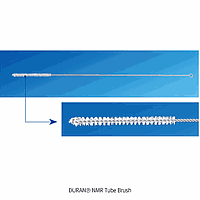
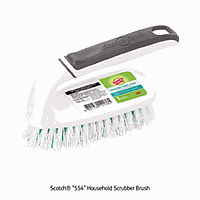
ブラシ
日々の洗浄やメンテナンスの精度は、実験結果の再現性や器具の寿命にも関わります。容器の内側に残った微細な残渣、作業台にたまる粉じん、静電気で付着しやすい粒子などは、用途に合ったブラシを使い分けることで、より効率よく対応しやすくなります。
このカテゴリでは、ボトルやビーカーの洗浄用から、帯電対策を意識したタイプ、粉じん除去や軽作業向けのものまで、実験環境で使いやすいブラシをまとめて比較できます。形状・毛材・全長の違いを確認しながら、作業内容に合う一本を選びたい場合に適した構成です。

実験現場でブラシを使い分ける理由
同じ洗浄作業でも、対象が細口ボトルなのか、口径の広いビーカーなのか、あるいは外面のほこり除去なのかで、適したブラシ形状は変わります。無理に汎用的な一本で対応すると、底部や隅に届きにくかったり、逆に接触面が大きすぎて扱いにくくなったりすることがあります。
そのため、実験器具向けのブラシ選定では、容器形状への適合、清掃対象の性質、そして作業者の取り回しやすさを合わせて見ることが重要です。小さな差に見えても、日常的な洗浄のしやすさや交換頻度に影響しやすいポイントです。
このカテゴリで見られる主なブラシの種類
内部洗浄向けでは、ボトル形状に対応しやすい長めのタイプが代表的です。たとえば、DaiHanのDH.Bru3002はスポンジとナイロンを組み合わせたボトルブラシで、細長い容器内部の清掃を想定した選定に向いています。一方、SciLab SL.Bru3091のようなビーカー用ブラシは、開口部の広い容器で扱いやすい構成として検討しやすい製品です。
また、一般的な清掃や取り回しを重視する用途では、SciLab SL.Bru3102、SL.Bru3103のようなPPブラシも候補になります。粉じん除去や軽い表面清掃では、DaiHan DH.BR081、DH.BR082、DH.BR084のようなペイント&ダスト系のブラシが使い分けの対象になります。
選定時に確認したいポイント
まず確認したいのは、ブラシ長さ・ヘッドサイズ・柄の届きやすさです。細口容器であれば、十分な全長がないと底部まで届きにくく、逆に浅く広い容器では長すぎる柄がかえって扱いにくいことがあります。寸法は単なる数字ではなく、作業姿勢や洗浄ムラにも関わる要素です。
次に見るべきなのが毛材や接触特性です。洗浄力を重視するのか、表面へのやさしさを優先するのか、あるいは帯電対策が必要なのかによって、選ぶべきタイプは異なります。たとえば、DaiHan DH.BR0011、DH.BR0013はブロンズワイヤー仕様で、よりしっかりした清掃感を求める場面の比較対象になります。
一方で、静電気の影響を抑えたい作業では、SciLabのSL.Bru3031、SL.Bru3032、SL.Bru3033のような静電気防止ブラシが適しています。微粒子が付着しやすい環境や、繊細な表面に配慮したい工程では、通常のブラシとは別に検討する価値があります。
用途別に見るブラシの選び方
ボトルや細長い容器の内部洗浄では、口径に合うブラシ径と十分なリーチが重要です。内部全体に均一に届くかどうかは、作業時間だけでなく洗い残しの防止にも関わります。繰り返し使用する容器が決まっている場合は、容器寸法に合わせて標準化すると運用しやすくなります。
ビーカーや開口部の広い容器には、底面や側壁に当てやすい形状が向いています。外面のほこり取りや作業台まわりの簡易清掃なら、軽量で扱いやすいダスト系ブラシのほうが効率的です。さらに、粒子付着や静電気が問題になる工程では、通常の洗浄ブラシと帯電対策ブラシを役割分担しておくと管理しやすくなります。
関連する実験器具とあわせた運用
ブラシは単体で選ぶだけでなく、周辺の実験器具や消耗品との組み合わせで考えると、現場に合った運用がしやすくなります。たとえば、内容物のふるい分けや粒径管理を行う工程では、Sieveとあわせて清掃手順を整理しておくことで、付着物の持ち越しを抑えやすくなります。
また、粉体や微粒子を扱う場面では、保管や搬送に使う器具だけでなく、洗浄後の乾燥・再使用まで含めた流れで備品を見直すのが実務的です。補助資材まで含めて運用を整えたい場合は、周辺カテゴリのガラスビーズやグリース&潤滑油も、用途によって確認対象になります。
取り扱いメーカーの特徴を比較する視点
このカテゴリでは、特にSciLabとDaiHanの製品が代表例として見られます。SciLabはビーカー用、PP製、静電気防止タイプなど、用途ごとの分かりやすい選択肢を比較しやすく、DaiHanはボトルブラシやペイント&ダスト系、ブロンズワイヤータイプなど、清掃対象に応じたバリエーションを確認しやすい構成です。
重要なのは、メーカー名だけで選ぶことではなく、形状・接触感・想定用途のバランスを見ることです。同じ「ブラシ」でも役割は大きく異なるため、容器内部用、表面清掃用、帯電対策用を明確に分けて選ぶと、調達後のミスマッチを減らしやすくなります。
導入前に整理しておきたい実務ポイント
購買や設備管理の視点では、使用頻度の高い器具に合わせてブラシを定番化しておくと、補充や交換がしやすくなります。現場ごとに異なる形状を無計画に増やすよりも、用途別に数種類へ整理したほうが、教育や保管の面でも効率的です。
また、洗浄力だけを優先すると、対象物によっては扱いにくさや過剰な接触が問題になることもあります。用途適合を軸に、容器サイズ、対象表面、静電気の有無、作業頻度を確認しながら選ぶことが、結果として使いやすい構成につながります。
まとめ
実験器具の洗浄や日常メンテナンスでは、ブラシは小さな備品でありながら、作業品質を支える重要な道具です。ボトル用、ビーカー用、PP製、ブロンズワイヤー、静電気防止タイプなど、それぞれの役割を理解して選ぶことで、洗浄性と作業性の両立がしやすくなります。
対象となる容器や表面、求める清掃レベルが明確であれば、必要なブラシの方向性も絞り込みやすくなります。日常の運用に無理なく組み込める製品を比較しながら、現場に合った構成を整えていくことが大切です。
数量割引、まとめ買い価格の更新、新製品情報をメールでお届けします。
登録することで、当社の利用規約およびプライバシーポリシーに同意したものとみなされます。
認定専門家へ直接アクセス