That is also the reason why most standards, such as ISTA or ASTM D4169, design their testing procedures to mirror the actual sequence of handling operations: vibration testing first, followed by drop testing.
The testing sequence accurately reflects the journey of a shipment
A carton packaging evaluation process typically follows this sequence:
Storage → Compression Test → Vibration Test → Drop Test
Each step represents a stage that the shipment must undergo. Reversing the order would result in an outcome that no longer accurately reflects actual shipping conditions.
Prolonged vibration is precisely what causes the carton structure to gradually weaken
What surprises many is that initial damage often does not result from a single drop, but rather stems from thousands of continuous vibration cycles.
As the vehicle moves, a rough road surface generates constant oscillation, causing the cardboard layers to lose rigidity, box edges to stretch, adhesive bonds to weaken, and the contents to shift from their original positions. This process accelerates significantly with heavy goods or unevenly distributed loads.
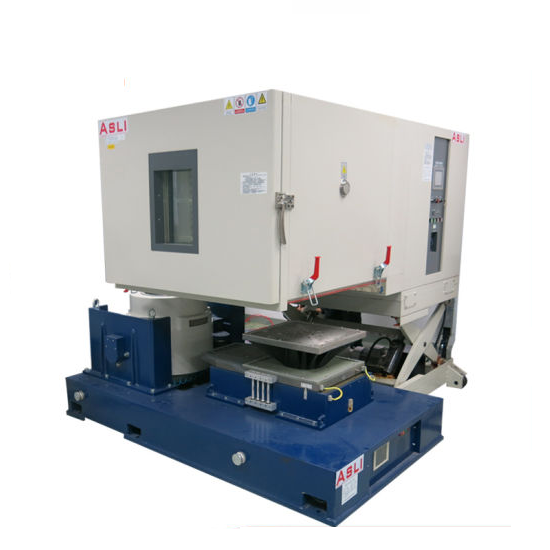
Consequently, testing laboratories often simulate this phase using vibration testing equipment to replicate the vibration profiles associated with road, sea, or air transport before proceeding to subsequent tests.
Only a drop test performed after vibration testing accurately reflects the packaging's protective capabilities
A freshly manufactured carton is significantly more rigid than the same carton after undergoing hours of transport.
This is why drop tests are conducted at a later stage. By then, the material has experienced fatigue, and the creases and paper layers have lost their original state, yielding results that more closely reflect real-world shipping conditions.
If the carton successfully protects the product through both consecutive testing stages, its ability to meet transport requirements is far more reliable than if it had merely passed a single drop test.
Both ISTA and ASTM standards are developed following this sequence
International standards not only specify the testing equipment but also accurately simulate the actual journey of the goods.
During the vibration phase, the test sample undergoes a specific number of cycles and frequency ranges tailored to the mode of transport, allowing for an assessment of how the packaging degrades over time.
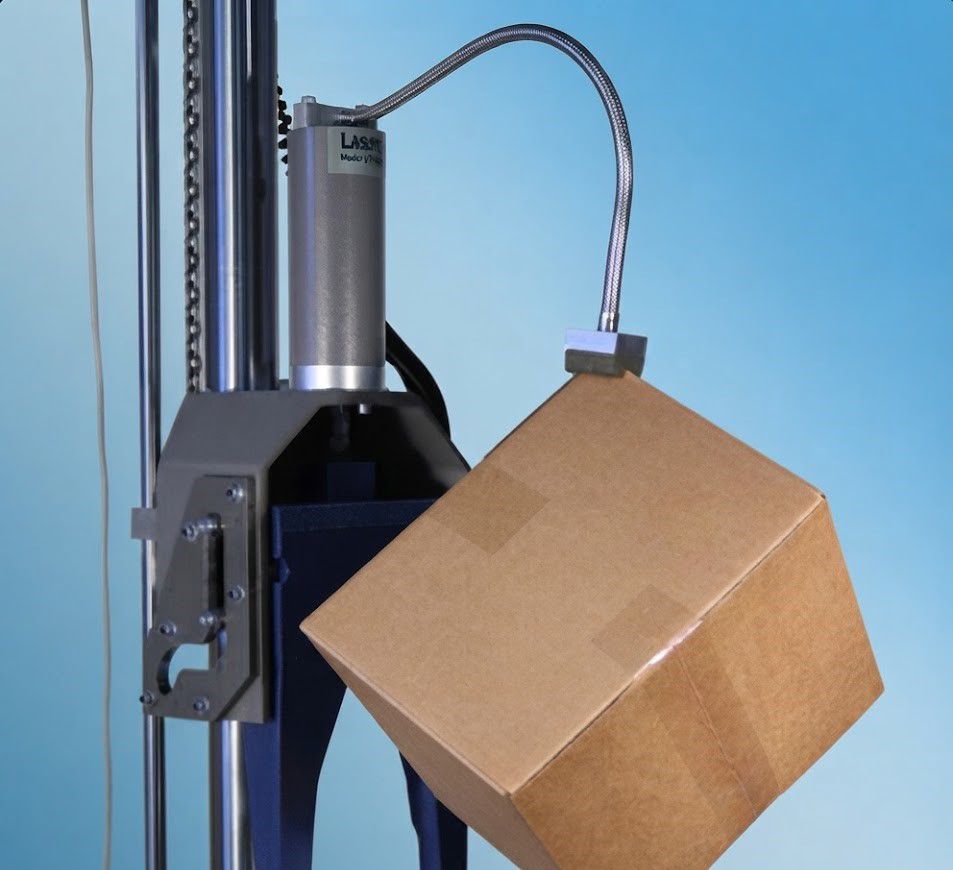
Following this stage, the sample undergoes drop testing targeting faces, edges, and corners to evaluate its impact-absorption capabilities after the structure has already been subjected to vibration.
This approach to developing testing procedures ensures that the results hold significantly greater practical value when applied to production or used in quality assessment documentation.
Reversing the process can skew the evaluation results
Passing an initial drop test does not guarantee that a carton will adequately protect the product after hours of transport.
If the drop test is performed first, the carton already structurally deformed proceeds to the vibration test. The resulting data no longer reflects actual shipping conditions and is difficult to compare against international standards.
For this reason, testing agencies, laboratories, and manufacturers typically maintain the sequence of vibration testing followed by drop testing to ensure the evaluation data holds greater reference value.
The vibration testing system determines the quality of the initial test
The effectiveness of the test depends not only on the vibration duration but also on the ability to accurately replicate oscillation amplitude and frequency.
Systems from manufacturers such as Lansmont, Labtone, ASLi, Sanwood, and Haida are widely used in packaging testing laboratories due to their capability to simulate various transport conditions ranging from fixed-frequency to random vibration in accordance with ISTA and ASTM standards.
To accurately simulate a package's journey from the factory to the customer, vibration testing should always be conducted prior to drop testing. Vibration degrades the structural integrity of the carton over time, whereas the impacts experienced during loading and unloading reveal whether the packaging remains capable of protecting the product.
For businesses needing to evaluate packaging durability against ISTA or ASTM standards, this process also serves as a basis for selecting appropriate testing equipment and establishing quality control criteria from the outset.