Understanding the nature of radiation helps people recognize the impact of this energy source on health and the environment, and proactively develop safety measures when working with radioactive sources.
Why measure radiation?
Radiation measurement plays an essential role in medicine, nuclear energy, scientific research and environmental management. It helps to accurately determine exposure levels to:

- Ensure the safety of staff, patients and communities living near radioactive areas.
- Control doses during diagnostic and therapeutic procedures using X-rays or gamma rays.
- Monitor and detect early risks of radioactive contamination in the natural environment.
Some common forms of radiation today
Radiation is divided into two main groups:
- Ionizing radiation includes X-rays, gamma rays, alpha and beta particles and neutrons. This group has the ability to ionize atoms and can cause damage to living cells if exposed beyond the safe threshold.
- Non-ionizing radiation includes visible light, infrared rays, radio waves and microwaves. This group is less harmful but still needs to be controlled in industrial and communication activities.
Units of measurement of radiation
1. SI units in radiation measurement
In the International System of Units (SI), three basic units are used to describe the activity, energy and biological effects of radiation:
+ Becquerel (Bq): represents the radioactivity, i.e. the number of nuclear decays that occur in one second.
+ Gray (Gy): represents the radiation energy absorbed in a certain mass of matter.
+ Sievert (Sv): used to describe the equivalent dose, reflecting the level of biological effects of radiation on the human body.
2. Non-SI units and conversion methods
Before the SI system was standardized, many other units were used in research and industry, including:
Curie (Ci): equivalent to 3.7 × 10¹⁰ Bq.
Rad: equivalent to 0.01 Gray.
Rem: equivalent to 0.01 Sievert.
3. Meaning and scope of application
- Becquerel (Bq): commonly used in scientific research, management and production of radioactive materials.
- Gray (Gy): applied in nuclear physics and evaluates the radiation energy absorbed in tissue or matter.
- Sievert (Sv): commonly used in nuclear medicine and radiation safety to determine the dose affecting the human body.
Use online tools and support software
There are many online platforms that support fast and intuitive conversion of radiation units. Users just need to enter the value to be converted, select the input and output units to get instant results. Some tools worth referring to include:
- Omni Calculator - Radiation Converter: allows flexible conversion between Gray and Rad, Sievert and Rem, simple interface and easy to operate.
- UnitConverters.net và ConvertUnits.com: cung cấp hệ thống quy đổi chi tiết, tự động hiển thị kết quả chỉ sau một thao tác nhập liệu.
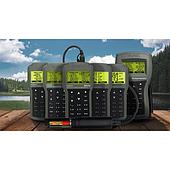
For those who regularly work in environments with radiation, using a measuring device with an integrated automatic conversion feature helps save time and limit errors in calculations.
Some outstanding equipment distributed by EMIN
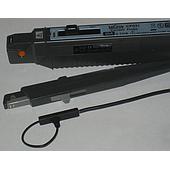
CEM DT-9501: Handheld radiation meter, instantly displays ionizing radiation levels and allows direct unit conversion on the display.
Atomtex АТ6130C: Specialized radiation meter for X-rays and gamma rays, suitable for use in offices, industrial zones and residential areas to check floors, monitor exposure and issue warnings when values exceed safety thresholds.

Common errors in radiation conversion and how to fix them
Some common errors that often occur during the conversion of radiation units can lead to discrepancies in data or incorrect assessment of safety levels. To avoid this risk, please note:
- Confusion between SI and non-SI units: always double-check the unit names before calculating or entering data.
- Incorrect conversion factors: compare the results with standard documents from reputable organizations such as IAEA or ISO.
- Entering incorrect decimal values: especially important when using automated tools or spreadsheets.
Solution: clearly state the base unit next to the measurement value, double-check the result before saving or using the data.
Application of radiation conversion table in measurement
- In agriculture:
Researchers use conversion tables to determine the appropriate radiation level when irradiating agricultural products for preservation or treating seeds with gamma rays. Thanks to that, they control the safe dosage, ensure the effectiveness of disinfection and prolong the storage time without affecting the quality of the product.
- In medicine:
Doctors and nuclear medicine engineers rely on conversion tables to calculate radiation doses in CT scans, radiotherapy or diagnostic imaging techniques. Accurate conversion helps optimize treatment effectiveness while maintaining exposure doses within safe limits for patients.
- In environmental science:
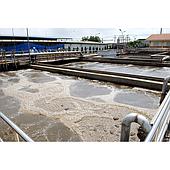
Environmental experts use conversion tables to convert units of measurement from different sources, for example Gray to Sievert or Bq to Ci. Unifying data helps them easily compare, assess the level of radioactive pollution and draw more accurate conclusions.
The above is a summary of information to help you better understand how to convert radiation, avoid errors in the measurement process and apply effectively in practice.