
2026年09月14日 11時03分02秒
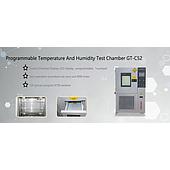
A structured overview of how to prepare, operate, and evaluate a constant temperature and humidity chamber for sample conditioning and environmental testing.
A structured overview of how to prepare, operate, and evaluate a constant temperature and humidity chamber for sample conditioning and environmental testing.
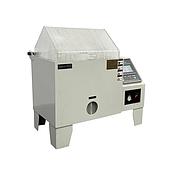
A salt spray test chamber helps manufacturers and laboratories evaluate the corrosion resistance of materials and protective coatings under controlled exposure conditions.
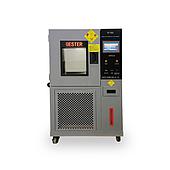
Temperature humidity test chambers help laboratories and manufacturers evaluate how products and materials respond to controlled heat, cold, and humidity conditions. This guide covers their purpose, industry applications, and practical maintenance priorities.
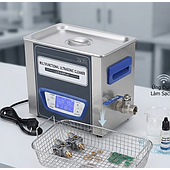
If you operate a workpiece cleaning system in your workshop or have recently invested in an ultrasonic cleaner, you have likely encountered situations where the machine runs for ten minutes or more, yet stubborn grease and rust remain completely unaffected. Many people mistakenly believe that simply filling the tank with plain water and turning the machine on is enough; in reality, this approach wastes up to 70% of the technology's ultrasonic cleaning power
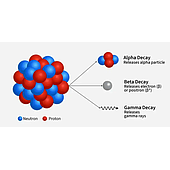
Radioactivity is the spontaneous transformation of unstable atomic nuclei, producing forms of radiation such as alpha, beta, and gamma radiation. Each type interacts with matter differently and therefore requires different measurement methods.
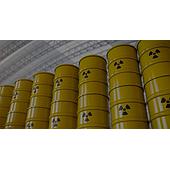
Ionizing radiation consists of particles or photons capable of ionizing matter. Understanding the characteristics of each type of radiation also provides a basis for selecting a suitable radiation meter and detector for the intended measurement.
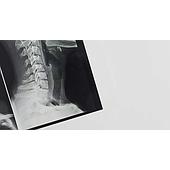
External exposure, radioactive contamination, and internal exposure are related but distinct concepts. Understanding the differences helps identify the nature of a radiation hazard and determine appropriate monitoring methods.
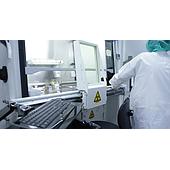
This article explains common radiation quantities and units, helping distinguish radioactive activity, absorbed dose, and quantities used in radiation protection.
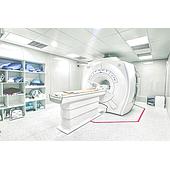
An MRI system may be correctly installed and fully connected to the power supply, yet still encounter issues if the surrounding environment fails to meet technical specifications. Electromagnetic interference, RF shielding, power quality, grounding, temperature, humidity, and particulate levels are all factors that may require assessment, depending on the facility's design and the manufacturer's requirements.
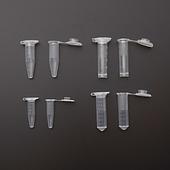
Tubes with capacities of 0.2 ml, 1.5 ml, 15 ml, or 50 ml are commonly found in laboratories, yet each type is associated with specific sample categories and equipment configurations. DNA and RNA samples typically require small-volume microtubes; blood and cell samples often utilize 5 ml or 15 ml tubes; while large-volume processing workflows may require tubes of 50 ml, 100 ml, or greater capacity
数量割引、まとめ買い価格の更新、新製品情報をメールでお届けします。
登録することで、当社の利用規約およびプライバシーポリシーに同意したものとみなされます。
認定専門家へ直接アクセス