라벨 및 표지판
실험실에서는 작은 표기 하나가 작업 정확도와 추적성에 큰 차이를 만듭니다. 시료 보관, 배치 구분, 임시 분류, 작업 구역 표시처럼 반복적인 업무가 많은 환경일수록 읽기 쉽고 붙이기 편한 라벨 체계가 필요합니다. 특히 용기, 랙, 소형 튜브, 보관 위치를 빠르게 식별해야 하는 상황에서는 라벨 형식과 크기 선택이 작업 효율에 직접 연결됩니다.
라벨 및 표지판 카테고리는 단순한 이름 표기용 소모품을 넘어, 시료 식별, 색상 기반 구분, 임시 표시, 시각적 관리까지 지원하는 실험실용 표기 솔루션을 폭넓게 다룹니다. 실제 사용 환경에 맞는 형상을 선택하면 표기 실수를 줄이고, 일상적인 실험 워크플로를 더 체계적으로 운영하는 데 도움이 됩니다.

실험실에서 라벨링이 중요한 이유
실험실 업무는 많은 대상물을 동시에 관리하는 구조이기 때문에, 동일한 형태의 튜브나 병, 박스, 포장재를 한눈에 구분할 수 있어야 합니다. 명확한 라벨링은 시료 혼동을 줄이고, 수기 기록과 실제 보관 위치를 일치시키는 데 유용합니다. 이는 단순한 정리 차원을 넘어 추적성과 내부 운영 일관성을 유지하는 기본 요소로 작동합니다.
또한 라벨과 표지판은 시료명 표기 외에도 작업 단계 표시, 경고 구분, 색상 코드 운영, 임시 분류 같은 다양한 목적에 활용됩니다. 예를 들어 보관 중인 샘플과 처리 예정 샘플을 다른 색상이나 형태로 나누면 작업자가 매번 텍스트를 자세히 읽지 않아도 빠르게 상황을 파악할 수 있습니다.
이 카테고리에서 볼 수 있는 주요 라벨 형식
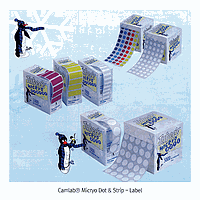
이 범주에는 스트립형, 도트형, 스틱오프형처럼 용도별로 구분되는 여러 형식이 포함됩니다. 스트립형 라벨은 날짜, 코드, 배치 정보처럼 비교적 긴 표기가 필요한 경우에 적합하며, 좁은 면적에도 비교적 효율적으로 정보를 배치할 수 있습니다. 반면 도트형 라벨은 간단한 시각 구분, 그룹 분류, 빠른 식별에 많이 활용됩니다.
스틱오프 타입은 임시 식별이 필요한 상황에서 유용합니다. 영구 표기보다 짧은 기간 동안만 구분해야 하는 작업, 이동 중 표시, 일시 보관 상태 관리 등에 적합하며, 작은 용기나 제한된 표면에는 마이크로 스트립이나 소형 도트 형식이 더 잘 맞을 수 있습니다. 중요한 것은 라벨을 붙이는 것 자체보다, 실제 대상물의 크기와 취급 방식에 맞는 형식을 선택하는 일입니다.
대표 제품으로 살펴보는 구성 예시
이 카테고리의 대표 제품을 보면 사용 목적에 따라 형식이 어떻게 나뉘는지 쉽게 이해할 수 있습니다. 예를 들어 Camlab CL.1158437 라벨 스틱오프 50X25mm, 2500롤과 Camlab CL.1158434 라벨 스틱오프 25X25mm, 2500롤은 비교적 넓은 표면 또는 소형 표면에 맞춰 선택할 수 있는 사각형 임시 라벨 예시입니다. 빠른 시각 구분용으로는 Camlab CL.1146432 라벨 도트, 직경 9.5, 1릴 5000도트처럼 간결한 형식이 실용적입니다.
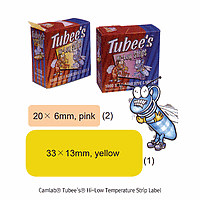
선형 식별이 필요한 경우에는 Camlab CL.1146433 라벨 스트립, 32.5 x 13mm 1릴 1000개나 Camlab CL.1158134 라벨 하이-로우 옐로우 스트립 롤/1000 같은 스트립형 구성이 잘 맞을 수 있습니다. 소형 시료 용기 중심의 작업에는 Camlab CL.1158143 라벨 마이크로 스트립, 흰색 20 x 6mm, 1000개 롤이나 Camlab CL.1146437 라벨 마이크로 도트, 흰색 19mm 직경, 1000개 릴처럼 제한된 면적에 대응하는 제품이 유용합니다.
제조사 기준으로는 Camlab 제품군에서 블루, 레드, 그린, 노란색, 퍼플 등 색상 기반 마이크로 스트립 구성을 함께 확인할 수 있습니다. 이런 색상 구분은 텍스트만으로 운영하기 어려운 다량 시료 환경에서 보다 직관적인 분류 체계를 만드는 데 도움이 됩니다.
적합한 라벨을 고르는 기준
우선 확인해야 할 요소는 라벨을 붙일 대상의 표면 크기입니다. 마이크로튜브, 캡, 소형 바이알처럼 부착 면적이 좁은 경우에는 폭이 좁은 스트립이나 소형 도트가 적합하고, 병이나 보관 용기, 포장재에는 상대적으로 큰 사각형 라벨이 더 실용적일 수 있습니다. 표기해야 할 정보량도 함께 고려해야 하며, 짧은 식별자만 필요하다면 도트형도 충분하지만 날짜와 코드까지 써야 한다면 스트립형이 더 유리합니다.
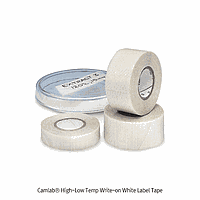
다음으로는 라벨이 영구용인지, 임시용인지 구분하는 것이 좋습니다. 일정 기간만 필요한 분류에는 스틱오프 타입이 잘 맞고, 반복적인 시각 관리에는 색상 스트립이 효과적일 수 있습니다. 포장 또는 보관 정리와 연계해 라벨링 체계를 구성한다면 가방 카테고리의 관련 품목과 함께 검토하는 것도 자연스럽습니다.
색상 코딩과 시각 표기의 실무적 가치
많은 실험실은 반복 작업 속도를 높이기 위해 시각적 식별 체계를 사용합니다. 작업자가 모든 라벨의 문구를 일일이 읽지 않고도 색상만으로 상태를 구분할 수 있으면, 준비 단계, 임시 보관, 배치 분류, 재고 정리 같은 일상 업무가 훨씬 간결해집니다. 특히 여러 사용자가 같은 공간과 장비를 공유하는 환경에서는 표준화된 색상 규칙이 큰 장점이 됩니다.
색상 스트립과 도트 라벨은 부서별 분류, 시험 상태 구분, 배치 그룹화, 선반 위치 관리 등 다양한 내부 규칙에 적용할 수 있습니다. 이런 방식은 다른 정리용 소모품과 함께 사용할 때 더 효과적이며, 예를 들어 유체 이송 라인이나 보조 구성품을 함께 관리하는 환경에서는 튜빙 관련 품목과의 식별 체계도 함께 고려할 수 있습니다.
브랜드와 제품군을 함께 보는 이유
이 카테고리에서는 Simport 및 Camlab 같은 실험실 공급 브랜드를 함께 확인할 수 있습니다. 제품 형식은 서로 다를 수 있지만, 공통된 목적은 실험실 현장에서 사용하기 쉬운 식별 수단을 제공하는 것입니다. 구매 담당자나 실험실 관리자 입장에서는 익숙한 제조사 중심으로 품목을 정리하면 반복 발주와 내부 표준화에 도움이 될 수 있습니다.
라벨 및 표지판은 보통 단독으로만 구매되기보다 다른 실험실 소모품과 함께 운영됩니다. 예를 들어 보관 용기, 연결 부품, 작업 구역 내 부속품까지 함께 관리해야 하는 경우에는 연결 관련 카테고리처럼 인접 품목과 연계된 식별 기준을 마련하는 것이 전체 워크플로 정리에 더 효과적입니다.
구매 시 실무적으로 체크할 포인트
비교 기준은 복잡할 필요 없이 형식, 크기, 색상, 포장 단위 정도로 정리하는 것이 실용적입니다. 롤 또는 릴 단위 제품은 사용량이 많은 환경에 적합하고, 마이크로 규격은 소형 용기 중심 작업에 알맞습니다. 실제 사용 대상보다 지나치게 큰 라벨을 선택하면 부착성이 떨어질 수 있고, 반대로 너무 작은 형식은 가독성이 낮아질 수 있으므로 현장 조건에 맞춘 판단이 중요합니다.
또한 자주 반복되는 업무에 대해서는 몇 가지 표준 라벨 형식만 정해 운영하는 것이 재고 관리와 사용자 교육 측면에서 효율적입니다. 실무에서는 제거가 쉬운 라벨, 소형 식별용 스트립, 색상 구분용 도트나 스트립을 조합해 사용하는 방식이 흔하며, 이런 구성이 과도한 복잡성 없이도 보다 정돈된 라벨링 체계를 만드는 데 도움이 됩니다.
정리된 실험실 운영을 위한 기본 요소
적절한 라벨 선택은 단순히 표면에 이름을 붙이는 작업이 아니라, 시료와 자재를 실제 사용하는 방식에 맞춰 정보를 정리하는 과정입니다. 소형 튜브용 마이크로 라벨이 필요한지, 임시 구분용 스틱오프가 필요한지, 또는 색상 중심의 빠른 식별이 중요한지를 먼저 파악하면 제품 선택이 훨씬 명확해집니다.
라벨 및 표지판 카테고리는 이러한 요구를 실험실 현장 관점에서 검토할 수 있는 출발점입니다. 용기 크기, 표기 정보량, 색상 구분 필요성, 운영 방식까지 함께 고려해 선택하면 보다 읽기 쉽고 일관된 실험실 라벨링 체계를 구축하는 데 도움이 됩니다.
인증된 전문가에게 직접 연결