
직원
2021년 06월 18일 09시 54분 11초
관련 뉴스
2026년 09월 26일 08시 44분 51초
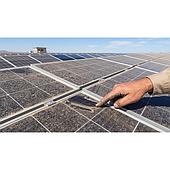
Sau 5 năm vận hành, hệ thống điện mặt trời áp mái có thể vẫn hoạt động ổn định nhưng sản lượng không còn giống thời điểm mới lắp đặt. Mức suy giảm phụ thuộc vào tuổi thọ tấm pin, nhiệt độ, bức xạ, độ ẩm, bụi bẩn, dây dẫn, đầu nối và bộ biến tần.
2026년 09월 25일 14시 48분 57초
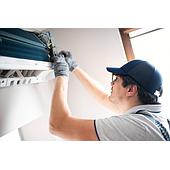
# DIFFERENTIAL PRESSURE METERS FOR AHUs, FCUs, AND AIR DUCT SYSTEMS In an HVAC system, air does not move across different zones with the exact same pressure
2026년 09월 25일 11시 55분 21초
Since August 2020, EMIN has been an official distributor of FOTRIC products and services in Vietnam. FOTRIC specializes in thermal imaging cameras and acoustic imaging cameras for electrical inspection, industrial maintenance, leak detection, research and development, and building inspection.

2026년 09월 25일 11시 13분 01초
Since September 2018, EMIN has been an official distributor of JEIO TECH products and services in Vietnam. The company specializes in developing and manufacturing laboratory equipment, environmental testing equipment, and solutions for scientific research and industrial applications.
2026년 09월 25일 10시 42분 16초
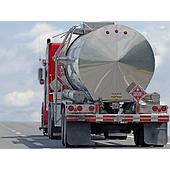
Non-destructive ultrasonic testing enables tank wall thickness measurements in areas prone to wear, corrosion, or high stress. This method helps assess the service condition of tanks used to transport hazardous materials or waste.
빠른 지원
인증된 전문가에게 직접 연결