티슈 그라인더
시료 전처리의 재현성은 이후 분석 결과의 안정성과 직결됩니다. 특히 연성 생물 시료나 소량 조직을 다룰 때는, 시료를 얼마나 균일하게 파쇄하고 현탁화하느냐에 따라 추출·분석·후속 처리의 효율이 크게 달라질 수 있습니다. 이런 작업에서 티슈 그라인더는 실험실에서 널리 활용되는 기본 도구로, 조직 분쇄와 호모지나이징을 보다 세밀하게 수행하는 데 도움을 줍니다.
이 카테고리에서는 마이크로 튜브 기반의 일회용 호모게나이저부터 전통적인 절구·페슬형 구성, 그리고 교체용 부품까지 함께 살펴볼 수 있습니다. 연구실의 표준 작업 방식, 시료 용량, 세척 편의성, 반복 사용 여부에 따라 적합한 형식을 선택하는 것이 중요합니다.
실험실 워크플로우에서 티슈 그라인더가 필요한 이유
조직 분쇄는 시료를 보다 균질한 상태로 만들어 추출이나 분석이 가능하도록 돕는 전처리 단계입니다. 원형 상태의 조직은 직접 취급이 어렵거나 반응 효율이 떨어질 수 있기 때문에, 기계적 파쇄를 통해 취급성을 높이고 후속 공정의 편차를 줄이는 경우가 많습니다.
보다 범용적인 블렌더와 비교하면, 티슈 그라인더는 일반적으로 더 작은 작업 단위와 개별 시료 제어에 적합합니다. 특히 마이크로 튜브 단위의 소량 시료를 다루거나, 수동 방식으로 직접 압력을 가해 분쇄해야 하는 환경에서 유용합니다.
이 카테고리에서 볼 수 있는 주요 제품 형태
현재 구성은 크게 두 방향으로 이해할 수 있습니다. 하나는 마이크로 튜브에 바로 사용할 수 있는 일회용 호모게나이저 계열이고, 다른 하나는 절구·막자사발·페슬 또는 키트 형태의 재사용 기반 수동 분쇄 도구입니다. 전자는 샘플 간 교차 오염 관리와 작업 간소화에 유리하고, 후자는 익숙한 수동 조작 방식과 구성품 교체 측면에서 장점이 있습니다.
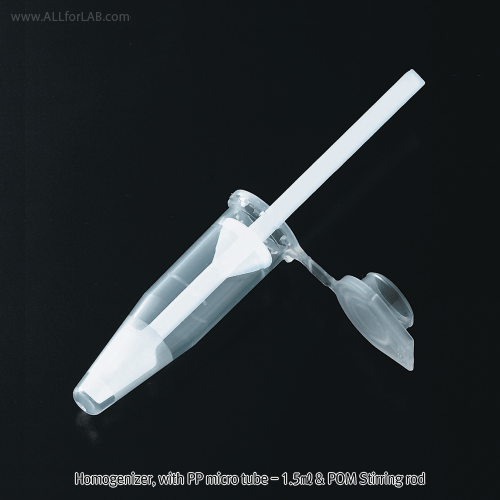
예를 들어 SciLab의 SL.Tub3181은 1.5ml 마이크로 튜브 포함 일회용 호모게나이저이며, SL.Tub3182는 2.0ml 마이크로 튜브 기반 작업에 대응하는 예시로 볼 수 있습니다. 반면 Wheaton WH.358204 조직 분쇄 키트는 보다 전통적인 티슈 그라인딩 구성으로 접근할 수 있어, 실험실의 표준화된 수동 분쇄 절차에 맞춰 검토하기 좋습니다.
튜브 규격과 구성품 호환성부터 확인해야 합니다
제품 선택에서 가장 먼저 볼 요소는 시료를 처리하는 용기 규격입니다. 동일한 분쇄 도구라도 0.5ml, 1.5ml, 2.0ml, 5ml 등 사용하려는 튜브 크기에 따라 적합성이 달라질 수 있으므로, 실험실에서 이미 쓰고 있는 용기 체계와 맞는지 확인하는 것이 효율적입니다.
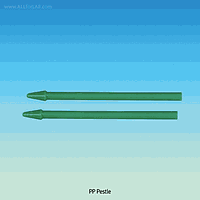
이 카테고리에는 SciLab SL.Tub3191과 같이 0.5ml용 페스틀, SL.Tub3291처럼 1.5ml 원추형 튜브용 페슬, SL.Tub3292처럼 5ml 튜브용 제품이 포함되어 있습니다. 즉, 완제품인지 교체용 부품인지뿐 아니라 어떤 튜브와 함께 쓰는지를 먼저 구분해야 구매 후 운영이 수월해집니다.
재질과 구조 차이는 사용감과 운용 방식에 영향을 줍니다
티슈 그라인더나 페슬은 단순한 소모품처럼 보일 수 있지만, 실제 사용에서는 접촉부 재질과 손잡이 구조가 작업감에 영향을 줍니다. 내구성, 반복 사용 편의성, 세척 또는 관리 방식, 실험실의 기존 SOP와의 적합성까지 함께 고려하는 편이 좋습니다.
예를 들어 SciLab SL.Tub3101.1은 PP 재질의 조직 분쇄기 막자사발이며, SL.Tub3101.2는 테플론 재질 페스틀에 STS 핸들이 포함된 형태입니다. 이런 차이는 단순한 재질 표기 이상의 의미를 가지며, 실험자가 선호하는 조작감이나 반복 사용 환경에 따라 선택 기준이 달라질 수 있습니다.
대표 제조사별 특징을 어떻게 이해하면 좋은가
카테고리 내에서는 SciLab과 Wheaton 제품이 핵심적으로 확인됩니다. SciLab은 마이크로 튜브 호환형 일회용 호모게나이저와 다양한 용량의 페슬 구성이 두드러져, 소량 시료를 빠르게 전처리하는 연구 환경과 잘 맞습니다.
Wheaton은 조직 분쇄 키트, 절구 단품, 안전 코팅 적용 제품 등 보다 전통적인 티슈 그라인더 맥락에서 이해할 수 있습니다. 예를 들어 WH.358014는 절구 단품, WH.358009·WH.358011·WH.358013은 안전 코팅이 적용된 제품군으로 확인되며, 유리 기반 수동 분쇄 도구를 운용하는 실험실에서 검토할 만한 선택지입니다.
구매 전 체크하면 좋은 실무 포인트
우선 현재 워크플로우가 일회용 중심인지, 재사용 중심인지 정리하는 것이 좋습니다. 샘플 수가 많고 빠른 교체가 중요하다면 튜브 포함형 호모게나이저가 편리할 수 있고, 특정 수동 분쇄 절차를 유지해야 한다면 키트형 또는 절구·페슬형 구성이 더 적합할 수 있습니다.
또한 필요한 항목이 완전한 세트인지, 아니면 교체용 부품인지 구분해야 합니다. 카테고리 내 제품에는 키트, 절구 단품, 튜브용 페슬, 막자사발 등 역할이 서로 다른 품목이 함께 포함되어 있으므로, 실험실 재고 관리와 표준화 관점에서 구매 단위를 명확히 보는 것이 중요합니다.
주변 실험 환경과 함께 보면 선택이 더 쉬워집니다
티슈 그라인더는 단독 장비라기보다 전처리 체계의 일부로 보는 것이 적절합니다. 시료 준비, 취급, 세척, 보관까지 이어지는 흐름을 함께 고려하면 실제 사용 만족도가 높아집니다. 예를 들어 작업 후 세척과 재사용이 중요한 경우에는 실험기기 세척기와의 운영 동선을 함께 생각해볼 수 있습니다.
또한 시료 취급 시 작업자 보호가 중요한 환경이라면 의류 카테고리의 실험실 보호용품과 함께 검토하는 것도 자연스럽습니다. 이런 주변 요소까지 고려하면 단순히 제품 하나를 고르는 수준을 넘어, 실제 실험실 운영에 맞는 구성으로 정리하기가 쉬워집니다.
티슈 그라인더 선택을 정리하면
이 카테고리는 소량 시료용 일회용 호모게나이저, 다양한 튜브 규격용 페슬, 전통적인 조직 분쇄 키트와 절구류까지 폭넓게 비교할 수 있는 구성이 특징입니다. 핵심은 브랜드나 형태만 보는 것이 아니라, 시료 종류, 사용 용기, 재사용 여부, 구성품 역할을 함께 맞춰보는 데 있습니다.
실험실에서 필요한 전처리 방식이 명확할수록 선택은 훨씬 쉬워집니다. 현재 사용 중인 튜브 규격과 작업 절차를 기준으로 제품 형태를 좁혀 보면, 분석 전 단계의 일관성을 높이는 데 도움이 되는 티슈 그라인더를 보다 효율적으로 찾을 수 있습니다.
인증된 전문가에게 직접 연결