For full functionality of this site it is necessary to enable JavaScript.
EMIN.VN
0

Blog

How Is EV Charging Pile Safety Testing Performed?
02/11/y 15:04:13

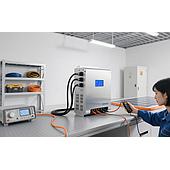
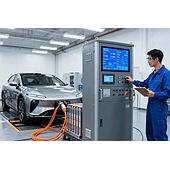
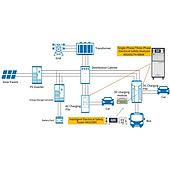
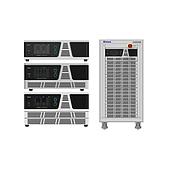
EV charging pile safety testing evaluates electrical risks related to withstand voltage, insulation, grounding, and leakage at charging pile input and output circuits. The source describes the AN1651TH-60(F)CP solution as covering nine test areas with MES connectivity support.
How Can DC Fast Charger Testing Simulate EV Batteries?
02/11/y 15:00:29

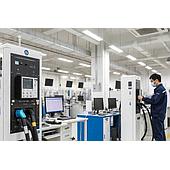
DC fast charger laboratories use high-power bidirectional DC electronic loads to simulate EV battery behavior while evaluating charger output, control response, and communication-related test conditions.

How Do You Select a DC Power Supply for PV Inverter Testing?
02/11/y 14:59:40

PV inverter testing generally requires a programmable DC source with solar simulation capability. Select voltage, current, and power ratings from inverter limits, then evaluate I-V curve control, transient response, measurement, logging, and regenerative sinking where required.

Battery Simulator vs. DC Power Supply: Which Test Fits?
02/11/y 14:57:56

A traditional DC power supply suits stable voltage or current tests, while an ANEVS battery simulator is intended to reproduce changing battery behavior, including SOC-OCV relationships, internal resistance, and programmed operating conditions.

How Is a Programmable DC Electronic Load Used in EV Charger Testing?
02/11/y 14:56:45

A programmable DC electronic load can simulate controlled steady-state, transient, and fault conditions when evaluating EV charging modules. Key checks include efficiency mapping, voltage ride-through, short-circuit protection, and current sharing among parallel modules.

ຕິດຕາມຂ່າວສານ ແລະ ຂໍ້ສະເໜີ

ຮັບສ່ວນຫຼຸດພິເສດຕາມປະລິມານ, ອັບເດດລາຄາຂາຍສົ່ງ ແລະ ການແຈ້ງເຕືອນສິນຄ້າໃໝ່ສົ່ງກົງເຖິງອິນບັອກຂອງທ່ານ.

ໂດຍການສະໝັກສະມາຊິກ, ທ່ານຍອມຮັບ ເງື່ອນໄຂການໃຫ້ບໍລິການ ແລະ ນະໂຍບາຍຄວາມເປັນສ່ວນຕົວ ຂອງພວກເຮົາ.

ການຊ່ວຍເຫຼືໍາດ່ວນ

ເຂົ້າເຖິງຜູ້ຊ່ຽວຊານທີ່ໄດ້ຮັບການຢັ້ງຢືນຂອງພວກເຮົາໂດຍກົງ