
03/06/y 14:56:04
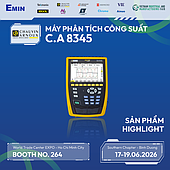
Among the equipment that EMIN will showcase at VIMF Binh Duong 2026, the Chauvin Arnoux C.A 8345 is a standout product in the power quality analysis and industrial load monitoring group
Among the equipment that EMIN will showcase at VIMF Binh Duong 2026, the Chauvin Arnoux C.A 8345 is a standout product in the power quality analysis and industrial load monitoring group
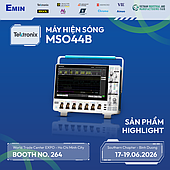
At VIMF Binh Duong 2026, EMIN will showcase a range of signal measurement and analysis equipment for R&D, electronics manufacturing, and automation. Among them, the Tektronix MSO44B has attracted considerable attention from visitors since its product list was first announced
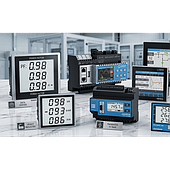
In dimly lit areas such as generator rooms or night shift electrical cabinets, the ability to clearly see the screen significantly impacts operational efficiency. This is why many people are hesitant between LED and LCD when choosing meters or display devices.

As a Fluke distributor, EMIN provides a complete safety solution that helps plants proactively prevent incidents early on, rather than incurring costly remediation costs. Electrical discharges and gas leaks often silently persist for a long time before causing major incidents
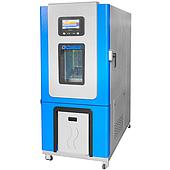
The difference between floor-standing and benchtop temperature test chambers goes far beyond physical size. More importantly, each chamber design creates a distinct thermal environment that affects the test specimen in completely different ways.

In the era of Smart Manufacturing and Digital Factories, managing and tracing product origins through barcodes (Barcode/Data Matrix) has become a rigorous standard.
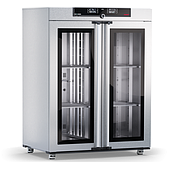
Some devices successfully complete full environmental test cycles, yet still develop corrosion, leakage current, or stability issues only a few months after being deployed in real-world conditions. In reliability testing and material durability evaluation, Temperature and Humidity Test Chamber systems are commonly used to simulate years of operation within just days or weeks. High temperature combined with elevated humidity accelerates aging processes, allowing engineers to observe failure mechanisms that would otherwise take a long time to appear under normal operating conditions.

If you've observed electronics labs in recent years, you'll notice that the way they choose pulse generators has changed considerably. Previously, most attention was focused on specifications. The higher the MHz, the more waveforms, or the larger the display, the more likely the generator was to be preferred because it gave the impression of being durable and not becoming obsolete in the long run

A pulse generator might look very powerful in a catalog, but when you actually test it in a real circuit, quite a few annoying issues start to emerge. Some models produce a beautiful sine wave but have slight ripple at the edges of the pulse; some require many steps to change the waveform; and some models develop a loss of smoothness in the rotary knob or noticeably slow menu response after only a few months of use

Sometimes, a pulse signal may appear perfectly normal at first glance, but when viewed on an oscilloscope, it reveals slight vibrations, uneven amplitude, or timing deviations in cycles. The first reaction is usually to check the pulse generator, connections, or output load. However, many errors originate from the power supply section, especially the switching power supply
ຮັບສ່ວນຫຼຸດພິເສດຕາມປະລິມານ, ອັບເດດລາຄາຂາຍສົ່ງ ແລະ ການແຈ້ງເຕືອນສິນຄ້າໃໝ່ສົ່ງກົງເຖິງອິນບັອກຂອງທ່ານ.
ໂດຍການສະໝັກສະມາຊິກ, ທ່ານຍອມຮັບ ເງື່ອນໄຂການໃຫ້ບໍລິການ ແລະ ນະໂຍບາຍຄວາມເປັນສ່ວນຕົວ ຂອງພວກເຮົາ.
ເຂົ້າເຖິງຜູ້ຊ່ຽວຊານທີ່ໄດ້ຮັບການຢັ້ງຢືນຂອງພວກເຮົາໂດຍກົງ