What is sterilization of laboratory equipment and why is it necessary?
Concept of sterilization of laboratory instruments
Sterilization of laboratory instruments is the process of eliminating or completely destroying all microorganisms that exist on the surface or inside the instrument, including bacteria, viruses, fungi, spores and other pathogens. The goal of sterilization is to create a sterile environment, ensuring that the instrument is no longer capable of causing infection or distorting the results of the experiment.
The importance of sterilization in the laboratory
In the laboratory environment, instruments such as test tubes, pipettes, flasks, needles, and other equipment are constantly exposed to samples, chemicals, and microorganisms. If instruments are not properly sterilized, microorganisms can survive and grow, causing cross-contamination between samples, distorting analysis results, or even endangering the user.
In addition, in medical, molecular biology, or microbiology laboratories, sterilization of instruments also helps prevent the spread of dangerous pathogens, protect public health, and comply with biosafety standards.
Thermal sterilization methods and common techniques
Autoclaving
Operating principle:
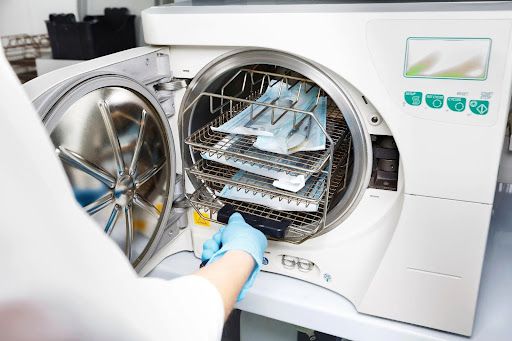
Autoclave uses saturated steam under high pressure to transfer heat to the instruments to be sterilized. High pressure helps increase the boiling temperature of water to above 100°C, usually 121°C or 134°C, for 15 to 30 minutes depending on the type of instrument and the level of contamination.
Advantages:
Saturated steam has the ability to penetrate deeply into porous or complex structured materials, helping to completely destroy microorganisms, including bacterial spores - a type that is very difficult to destroy by other methods.
The process is fast, highly effective and does not use toxic chemicals, so it is environmentally friendly.
Suitable for a variety of heat-resistant materials such as glass, metal and some heat-resistant plastics.
Disadvantages and notes:
Not suitable for materials that are sensitive to heat or moisture, such as some soft plastics, electronic devices or instruments with components that are not resistant to steam.
Before sterilization, instruments must be thoroughly cleaned to remove organic substances and impurities, to avoid reducing the sterilization efficiency or damaging the equipment.
Dry Heat Sterilization
Working principle:
This method uses high temperatures, usually from 160°C to 190°C, for a long time of 1 to 2 hours to kill microorganisms. High temperatures denature proteins and oxidize microbial cell components, leading to their death.
Advantages:
Suitable for materials that are not resistant to moisture or are easily oxidized when exposed to steam, such as powders, oils, glassware, metals.
Does not cause corrosion or damage to materials because steam is not used.
Suitable for instruments with closed structures or that do not allow steam to penetrate.
Disadvantages and notes:
Sterilization time is longer than steam method, need to plan properly to not affect work progress.
High temperature can deform or reduce the life of some sensitive materials.
Flaming
This method is often used to sterilize small instruments such as needle tips and inoculating rods in microbiology laboratories. The instruments are heated over an alcohol lamp or Bunsen burner flame to kill microorganisms on the surface.
Advantages:
Fast, simple and effective for small instruments, does not require complex equipment.
Often used in microbiology operations to sterilize inoculating rod tips between steps.
Disadvantages:
Not suitable for large instruments or flammable materials.
Cannot sterilize the entire instrument and is only applicable to small surfaces.
Procedures and notes when sterilizing laboratory equipment by heat
Careful preparation is an important step to ensure effective sterilization:
Prepare tools before sterilization
Cleaning instruments: Completely remove organic substances, grease, dirt by washing with water and a suitable cleaning solution. This allows heat or steam to directly contact the surface of the instrument, improving the sterilization efficiency.
Arranging instruments: Place instruments so that steam or heat can contact evenly and penetrate deeply into every corner. Do not stack too thickly or use materials that are impermeable to steam to wrap instruments.
Packaging: If instruments need to be stored after sterilization, pack them in heat-resistant, breathable materials such as sterile paper or specialized plastic bags to avoid re-contamination.
Perform sterilization
Select the appropriate sterilization program: Depending on the type of instrument and material, select the appropriate sterilization temperature, pressure and time. For example, autoclaves typically run at 121°C for 15-20 minutes for heat-resistant instruments.
Monitor the process: Ensure that the equipment is operating stably, at the correct temperature and pressure. Use biological or chemical indicators to check the effectiveness of sterilization.
Record the parameters: Record important parameters for quality control and for future testing and evaluation.
Check and maintain instruments after sterilization
Inspecting the instruments: After sterilization, inspect the instruments for damage, deformation or abnormalities.
Storage: Place the instruments in a clean, dry environment, avoiding contact with dirt or microorganisms. If packaged, keep the sterile packaging intact until use.
Regularly inspect the sterilization equipment: Maintain and calibrate the equipment regularly to ensure efficiency and safety during use.
Optimal thermal sterilization solution for laboratory instruments
Wide and precise temperature range: The drying oven operates stably in the temperature range from RT+10°C to 300°C, with a display resolution of 0.1°C and a temperature stability of ±1°C, ensuring that the sterilization and drying process is effective and uniform throughout the working chamber.
High-grade stainless steel working chamber: Helps increase durability, easy to clean and anti-corrosion in the laboratory environment, protecting laboratory instruments from harmful agents.
Chamber volume 16L: Suitable for small and medium-sized laboratories, can hold many laboratory instruments at the same time, saving time and effort.
Intelligent temperature control: The Bluepard DHG-9015A drying cabinet can be equipped with a programmable temperature control system, RS485 connector and temperature limit warning system, making it easy for users to control and ensure safety during operation.
Convenient and energy-saving design: 850W power consumption is suitable for laboratories, helping to save energy while still ensuring work efficiency.
Related articles: What is a laboratory drying cabinet? The most worth-investing cleanroom equipment today
Benefits of using Bluepard DHG-9015A drying oven in sterilizing laboratory equipment
Effective sterilization and drying: The drying cabinet helps to completely eliminate microorganisms with dry heat, while drying the instruments after washing, avoiding mold, preserving the instruments for a long time.
Safe and easy to use: The control interface is friendly, easy to operate, suitable for even those new to the laboratory.
High durability, stable operation: The product is warranted for 12 months, ensuring durable and stable operation in industrial and laboratory environments.
Buy genuine Bluepard DHG-9015A drying cabinet at EMIN Vietnam
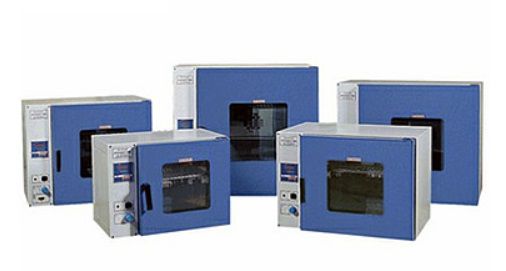
EMIN Vietnam is proud to be the official distributor of prestigious laboratory equipment, including the Bluepard DHG-9015A drying cabinet. When purchasing products at EMIN, you will receive:
In-depth advice on products suitable for the needs of sterilization and drying of laboratory instruments.
Professional technical support, calibration and equipment maintenance.
Fast delivery, nationwide.
12-month warranty policy and dedicated after-sales service.
Get a quote at EMIN Vietnam to own a drying cabinet right here!