For full functionality of this site it is necessary to enable JavaScript.
EMIN.VN
0

What causes centrifuge samples to break or undergo phase separation, even when the correct speed is set?

05/10/y 16:46:07

This article analyzes three core technical causes of sample failure despite correct speed settings, incorporating safety standards (OSHA/COSHH) and practical handling procedures from two previously implemented high-speed centrifuge operating manuals.

In molecular biology laboratories, clinical testing facilities, and industrial plants, technicians frequently encounter situations where the centrifuge indicates a completed cycle, yet opening the lid reveals compromised results: cracked or broken tube bottoms, or blurred and remixed separation layers, even when parameters such as speed (RPM/RCF) and time were set strictly according to Standard Operating Procedures (SOPs).

The initial reaction is often to suspect motor failure or electrical issues. However, the control panel only provides necessary baseline conditions. The underlying causes of sample failure stem from mechanical and fluid-dynamic factors inside the chamber that the digital display cannot detect or signal.

1. Incorrect Adapter Cushioning and Tube Material Limits Causing High-Speed Shattering

It is a common misconception that test tubes withstand force uniformly under all conditions. At high speeds ranging from 15,000 to over 30,000 RPM, peak centrifugal acceleration subjects the tube bottom to immense hydrostatic pressure.

Incorrect Adapter Match

Placing conical-bottom tubes directly into round-bottom rotor cavities without specialized adapters concentrates all stress onto a single point, causing internal stress fractures or bottom breakage.
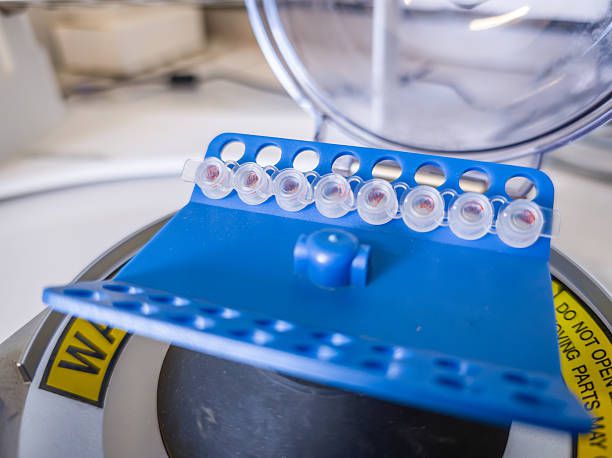
Adapter mismatch
Chemical Incompatibility with Plastics

Polypropylene (PP) plastic loses structural integrity when exposed to aggressive organic solvents like chloroform or phenol, weakening polymer bonds and causing spontaneous failure under high centrifugal force.

Plastic chemical reaction
Tube Material Fatigue

Tubes designated for high-speed centrifugation have a finite operational lifespan. Repeated autoclaving or multiple high-speed centrifugation cycles induce micro-cracks in the plastic structure that are invisible to the naked eye.

Technical Corrective Actions:
  • Verify geometric compatibility between the tube bottom and the rotor cavity prior to operation.
  • Adhere strictly to balancing rules: Weight differential between opposing tubes must not exceed 0.1 grams; always use a precision balance for calibration rather than visual estimation.
  • Fill tubes to a maximum of 2/3 capacity to prevent hydrodynamic pressure from popping caps or breaking tubes.
  • Never reuse tubes for runs exceeding 10,000 RPM if they have undergone multiple thermal cycles. When starting the unit, remain nearby to monitor equipment for 1 to 2 minutes until it reaches stable operational speed (approximately 90% of rotor failures occur during the acceleration phase).

2. Aggressive Deceleration Settings Causing Remixing of Separated Layers

The deceleration phase represents the most critical window where separation interfaces are highly susceptible to disruption if parameters are improperly configured.

Braking Inertia Effect

When decelerating rapidly from high speeds to 0 RPM, activating hard braking stops the rotor abruptly while the liquid column inside continues rotating due to inertia.

Micro-Vortex Shear Currents

Velocity differentials generate micro-vortices and shear waves right at the phase boundary, resuspending freshly separated layers (such as the buffy coat layer in blood separation).

Brake Setting Solutions:
  • For sensitive sample matrixes, configure deceleration parameters to "Soft Brake" or disable braking entirely ("No Brake" / Free Coasting) to allow the rotor to coast down naturally.
  • Ensure the inner rotor lid is securely fastened before closing the main chamber lid.

3. Incorrect Rotor Geometry Selection Leading to Suboptimal Sample Sedimentation

Selecting an inappropriate rotor configuration prevents effective layer resolution or causes improper pellet adherence within the tube:

Rotor TypeMechanism & Sample BehaviorRecommendation / Mitigation
Fixed-Angle RotorFixed tube angle from 25° to 45°. Force impinging against the outer tube wall creates a extended pellet smear along the wall. Upon deceleration, this smear easily slides down, clouding the liquid.Ideal for supernatant collection. Do not use for density gradient separation or thin interface layer harvesting.
Swinging-Bucket RotorBuckets swing out 90° perpendicular to the axis of rotation. Sedimentation trajectory travels parallel along the tube axis, forming a tightly packed pellet at the bottom while preserving sharp boundary layers.Gold standard for complex separations, density gradient centrifugation, and clean interface recovery.

Explore our range of high-quality centrifuges distributed by EMIN

4. Emergency Response Protocol for Tube Breakage or Excessive Vibration

EMERGENCY RESPONSE PROTOCOL ACCORDING TO OSHA / COSHH STANDARDS
STEP 1: Emergency Shutdown: Immediately press the STOP button and disconnect the main power supply.
STEP 2: DO NOT open the lid immediately: Opening the chamber immediately releases biohazardous or chemical aerosols generated in the chamber directly into the operator's breathing zone and face.
STEP 3: Mandatory Settling Time:
• Standard samples: Wait at least 15 to 30 minutes.
• Biohazardous samples: Wait a minimum of 30 minutes.
STEP 4: Decontamination Procedure: Don full protective gear including respirator masks and heavy-duty gloves, then use forceps to pick up glass/plastic debris. Clean the centrifuge bowl with a suitable disinfectant (70% ethanol or diluted bleach). Avoid high-concentration chlorine agents that corrode aluminum rotor assemblies.
STEP 5: Rotor Logbook Management: Document complete operational history (date, RPM, run duration) in the equipment logbook. Retire and decommission rotors upon reaching manufacturer-specified cycle limits to prevent metal fatigue and catastrophical rotor failures.
WORKFLOW OPTIMIZATION - BIOLOGICAL SAMPLE PRESERVATION & OPERATOR SAFETY
Diagnostic and Troubleshooting Guide for Specialized Centrifugation Equipment

ຂ່າວທີ່ກ່ຽວຂ້ອງ

Homes on busy streets: How to measure fine particulate matter and exhaust fumes entering your living room
16/11/y 09:42:31

Living in a house facing a main road is particularly frustrating: you might wipe the tables until they’re spotless in the morning, only to find them covered in a layer of dust by the afternoon. Even with the doors tightly shut and the curtains drawn, the house still feels stuffy by evening—permeated by the faint, lingering presence of vehicle exhaust. While regular dust can be swept away, fine particulate matter the kind you can’t even see silently seeps in through the gaps around your doors and windows. So, before you rush to spend money on an air purifier or weather-stripping, take a moment to check the current air quality inside your home and identify exactly where the pollutants are entering

What Are 10 Common MIG Welding Problems and Fixes?
16/11/y 08:47:05

Common MIG welding faults often trace to shielding gas, polarity, wire feeding, torch condition, joint preparation, welding settings, or cable connections. Match the symptom to its likely checks before changing parts.

What Safety Rules Apply When Using a Plasma Cutter?
16/11/y 08:46:16

Safe plasma cutting depends on protection from heat, arc light, electrical hazards, fumes, and gas-system risks. Keep combustibles at least 10 m away and inspect cables, torch parts, grounding, PPE, and gas equipment before work.

ຕິດຕາມຂ່າວສານ ແລະ ຂໍ້ສະເໜີ

ຮັບສ່ວນຫຼຸດພິເສດຕາມປະລິມານ, ອັບເດດລາຄາຂາຍສົ່ງ ແລະ ການແຈ້ງເຕືອນສິນຄ້າໃໝ່ສົ່ງກົງເຖິງອິນບັອກຂອງທ່ານ.

ໂດຍການສະໝັກສະມາຊິກ, ທ່ານຍອມຮັບ ເງື່ອນໄຂການໃຫ້ບໍລິການ ແລະ ນະໂຍບາຍຄວາມເປັນສ່ວນຕົວ ຂອງພວກເຮົາ.

ການຊ່ວຍເຫຼືໍາດ່ວນ

ເຂົ້າເຖິງຜູ້ຊ່ຽວຊານທີ່ໄດ້ຮັບການຢັ້ງຢືນຂອງພວກເຮົາໂດຍກົງ