How do gold ore deposits develop and accumulate?
As you know, gold is a heavy metal that does not oxidize or decay over time. Over millions of years, the original gold veins within the mountains weathered, breaking into smaller particles that were then carried downstream by water. Due to its heavy weight, gold does not travel far but usually settles at points where the water flow is weak.
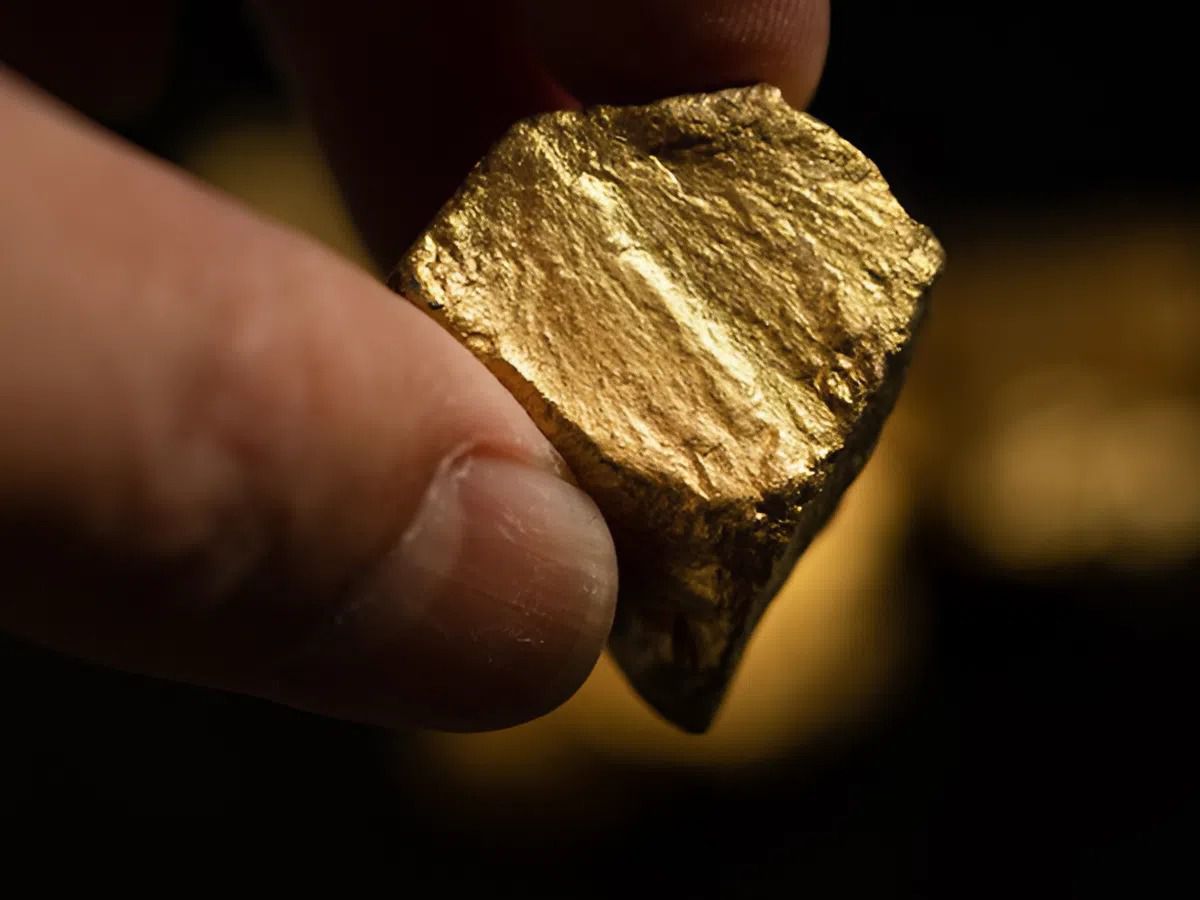
In nature, gold ore rarely exists in isolation. Gold is usually found mixed with quartz, red soil, mineralized soil, or finely lustered rocks. The gold content varies from place to place; some areas may contain only very small particles, but if the site is correct, the total reserves are still worth exploiting.
Some tips for identifying gold ore
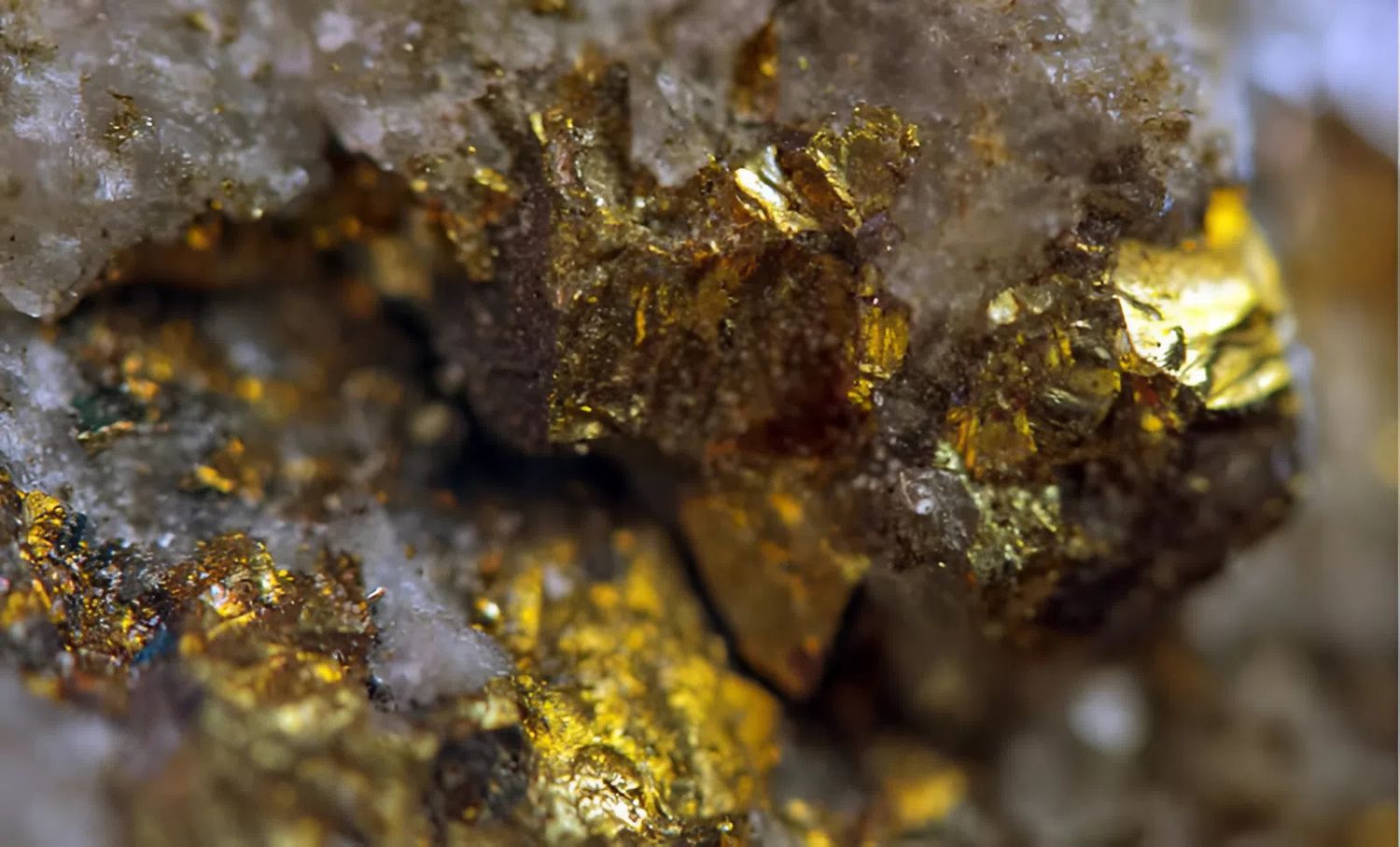
Identifying gold ore through the color of soil and rocks.
Soil color is the most noticeable factor. Areas with gold ore typically have dark, heavy soil that feels sticky when squeezed. This layer of soil is distinctly different from the loose, porous surface soil above.
Rocks in gold deposits often exhibit opaque white quartz veins, sometimes with very fine metallic luster. When broken, the inner surface of the rock may sparkle slightly in the sunlight, the light not harsh but soft. This is a common sign in areas containing precious metal minerals.
With alluvial gold deposits, fine black sand mixed in the soil or stream beds is also a noteworthy indicator because these are places where heavy metals easily accumulate.
Termite nest and deep soil layer
Termite nests are a familiar sight to many people who go to mining sites. Termites dig very deep, and the soil in the nest is often pulled up from the lower layers. If an area has many termite nests, and the soil inside the nests is heavy, contains tiny particles of different colors, or has a slight metallic sheen, then the likelihood of metal minerals underneath is quite high.
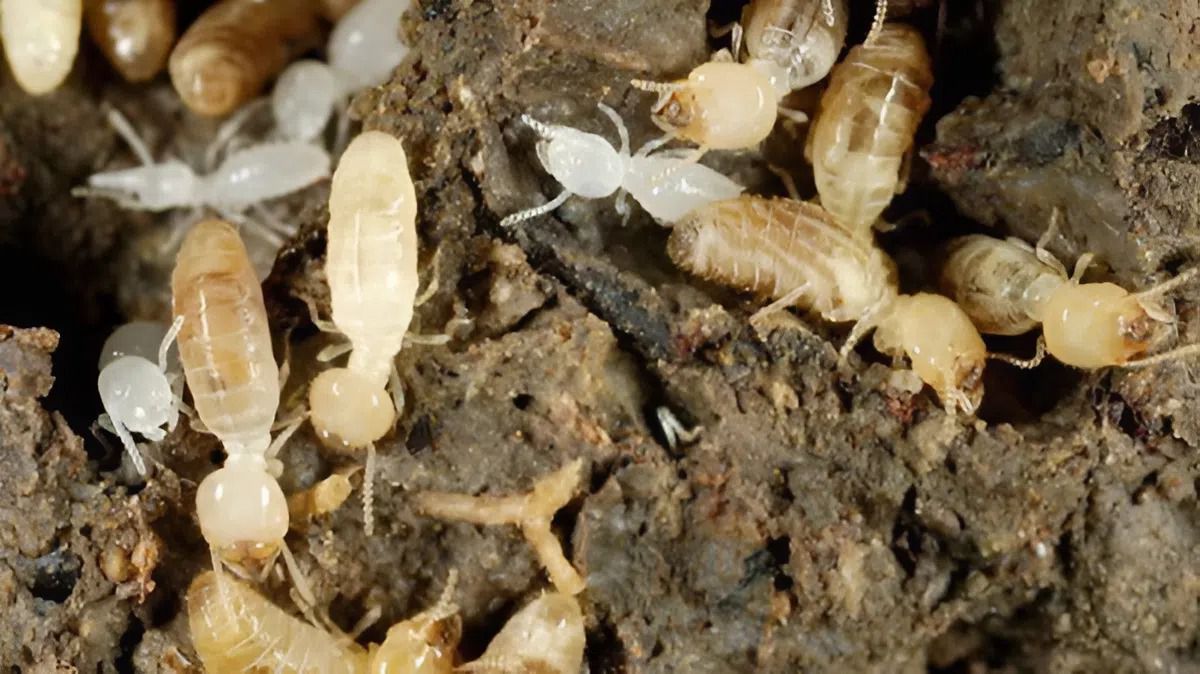
This sign doesn't definitively confirm the presence of gold, but it helps identify areas that should be prioritized for inspection instead of digging indiscriminately.
River and stream topography and old waterways
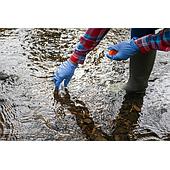
With alluvial gold deposits, the water flow greatly determines where the gold is deposited. Straight streams with strong currents often carry away heavy metals. Conversely, bends in the stream, rocky hollows, waterfall bases, or places where the water changes direction suddenly are where gold is more likely to be found.
In some deposits, the gold is no longer on the surface but deep beneath layers of fresh alluvium. This is why many people observe signs but find nothing when digging shallowly, while the deeper layers of soil are where the gold is located.
Field inspection using Minelab metal detector.
After identifying areas based on natural signs, many people choose to use metal detectors for quick checks beneath the soil. Minelab's metal detectors are quite popular in gold prospecting due to their ability to detect signals well in mineral-rich soil conditions.
Models like the Minelab GPX 5000 are suitable for red soil, mineral-rich soil, and areas with strong signal interference. For small alluvial gold deposits or wet areas, the Minelab SDC 2300 is often preferred because of its good detection of gold dust and stable operation in water environments.
Metal detectors help pinpoint locations where metal might be present before digging, reducing the risk of accidentally digging up worthless rock or metal.
Analysis of gold ore samples using XRF technology.
Once a sample of soil, rock, or ore suspected of containing gold has been obtained, the next step is to test its metal composition. This type of equipment allows for the rapid determination of gold content and accompanying metals such as silver, copper, or iron without the need for complex chemical processing.
XRF equipment is commonly used in laboratories or in the field to preliminarily assess the value of an ore sample. The analysis results help miners determine whether the sample is worth the time and cost of further investment.
Weigh samples to assess initial reserves.
After washing or collecting samples of suspected gold-containing ore, weighing the sample provides a preliminary assessment of the amount of metal recovered. Analytical balances allow for a comparison of sample weights before and after processing, thereby estimating the gold concentration in each batch.
In practice, high-precision analytical balances like those from Ohaus are often used to weigh gold dust, ore powder, or finely ground samples. The small division helps minimize errors when the gold content is very low, something that conventional balances struggle to achieve.
Although only a supporting step, data from analytical weighing helps miners assess the potential of gold deposits, avoiding relying entirely on intuition during the testing process.
Identifying gold ore requires more than one clue.
There are no natural signs that guarantee the presence of gold. However, when the color of the soil, rocks, terrain, and other indicators match, the chances of finding a gold deposit are much higher. Experienced gold prospectors always combine field observations with appropriate testing procedures to avoid prolonged trial and error.
The key to finding gold isn't about digging a lot, but about choosing the right spot and testing correctly.