The standard beer production process is the result of meticulous quality control, in which pH is one of the factors that is always closely monitored. It directly affects color, turbidity, flavor and fermentation ability. When pH is maintained stably, beer retains its balanced taste and unique characteristics of each brand. An accurate pH meter helps producers capture small changes in each stage, from cooking, fermentation to bottling, ensuring consistent quality from batch to batch.
This article from EMIN will explain why pH is important to the brewing process, guide you in choosing the right measuring equipment, and how to use it effectively to maintain process stability.
Main ingredient in beer production
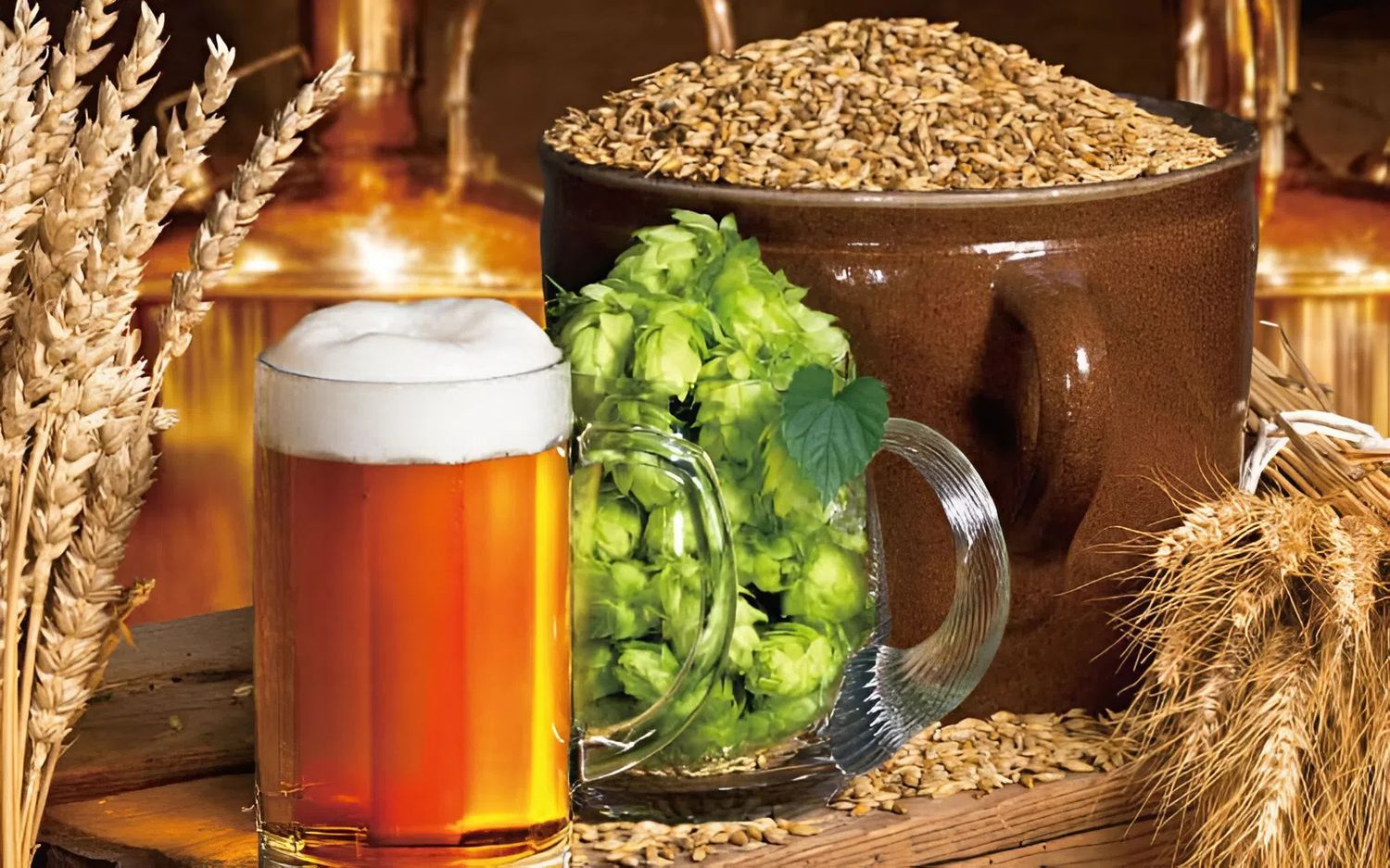
Beer is made from the fermentation process of starch mixed with hops, creating the characteristic flavor of each different type of beer. Of which, four main ingredients play a core role in forming the flavor, color and alcohol content of beer.
- Water is the factor that accounts for 90% of the volume and greatly determines the sensory characteristics of beer. The quality of the water source directly affects the sweetness, smoothness and bitterness of each type of beer.
- Grains, usually barley, are the main source of starch. Through soaking, grinding and cooking, the starch in the grain is converted into sugar, creating a base for fermentation. In addition to barley, some producers also use wheat, corn or rice to adjust the flavor and color of the beer.
- Hops provide a mild bitterness, a characteristic aroma and help balance the overall flavor. This is also the ingredient that creates stability and preservation ability for beer.
- Finally, yeast, the smallest organism, plays the most important role in the fermentation process. Yeast converts sugar into alcohol and CO₂ gas, creating the alcohol concentration and the characteristic foam layer of beer.
The ratio between these ingredients will be adjusted according to the style and type of beer the producer wants to create.
pH of beer
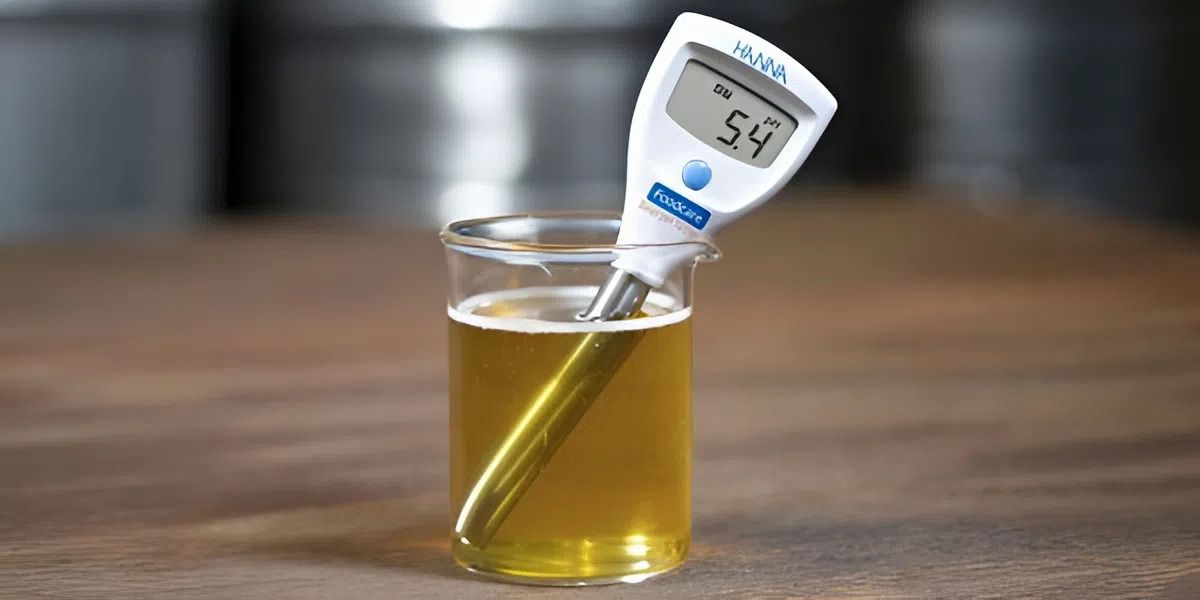
Beer typically has a pH ranging from 4 to 4.6, which is characteristically mildly acidic. This acidity is mainly formed from organic acids such as lactic acid and acetic acid. The pH value reflects the chemical properties of the beer, and is also influenced by the quality of the water source, the type of malt used, and the production process of each brewery. Even with the same recipe, small differences in ingredients can cause the pH to change by about 0.2 units.
It is this delicate balance that helps the beer maintain a harmonious taste, pleasant aroma, and high stability throughout the storage period.
Using pH meter in beer production?
pH meters in beer production are used to precisely control the acid and alkali levels at each stage, from cooking, fermentation to finishing. The pH parameter reflects the concentration of H⁺ ions in the solution, which strongly affects enzyme activity, yeast growth and the final flavor of the beer.
Throughout the entire process, pH plays a role in maintaining technical and sensory stability. When pH is maintained at the right level, the enzymes in the mash stage work effectively, the sugar extraction process from malt takes place completely, and the yeast develops stably, creating an attractive color and a smooth, durable foam layer. If pH is not controlled properly, the beer is prone to being cloudy, having a harsh taste or losing its characteristic aroma.
Therefore, monitoring and adjusting pH accurately is a decisive factor to ensure the consistent quality and characteristic flavor of each batch of beer.
The impact of pH control on beer quality
pH control is crucial to the flavor, color, and stability of each batch. A small change in pH can sometimes be enough to make two batches of beer with the same ingredients produce two completely different results, one well-rounded, the other bitter or sour.
Stabilizes flavor and maintains overall balance
pH is the foundation of beer's sensory appeal. When kept within the ideal range, yeast is active, fermentation goes well and produces natural aromatic compounds such as esters and phenols. These compounds are what give beer its characteristic aroma, making bitterness pleasant and the aftertaste smooth.
Conversely, if the pH deviates from the appropriate range, the beer will immediately show an imbalance. High pH values make the bitterness harsh, the smell pungent, while low pH makes the beer sour and lacks smoothness. An experienced brewer often relies on a pH meter to monitor each stage, because they understand that just a few percent deviation is enough to make the batch of beer not up to standard.
Increase enzyme performance during cooking
During the malting stage, two main enzymes, α-amylase and β-amylase, are responsible for converting starch into sugar. α-amylase is most active at a pH of around 5.6, while β-amylase is most effective at 5.2 to 5.4.
When the pH goes beyond the optimal range, these two enzymes become less active, reducing extraction efficiency, and affecting the alcohol content and color of the beer. Therefore, regular pH measurements help the brewer know exactly when to adjust the brewer, for example, adding lactic acid or the right amount of alkaline salt to bring the pH back to the desired range.
Influence on fermentation stage
As fermentation progresses, the pH continues to change, usually dropping from around 5.0 to 4.0 to 4.4. This is a very sensitive stage, as the wrong rate of pH reduction can cause problems in the batch.
If the pH does not drop enough, the yeast may be weak or affected by an unsuitable temperature. If the pH drops too quickly, the risk of bacterial contamination is very high. In both cases, the operator can only detect and intervene early if accurate real-time pH measurements are available.
Thanks to that, they can promptly adjust the amount of yeast, temperature or fermentation time to achieve the alcohol concentration, aroma and balanced taste as originally intended.
Maintains color and stability of finished beer
Finally, pH also affects the appearance of the beer. A batch of beer with a high pH is prone to oxidation, quickly darkens in color and develops an stale taste after only a few days. In contrast, beer with a moderately low pH often retains a clear color, a fresh taste and a longer lasting foam.
Not only does it affect the appearance, a stable pH also helps prolong the product's shelf life, reducing the risk of bacteria growing during storage and transportation.
Related articles: What is the alcohol concentration when drinking 2 bottles of beer? When will it be gone?
Suggestions for using handheld pH meters
The handheld pH meter is considered the optimal choice for craft breweries or small-scale production workshops. The device is compact in size, easy to carry when moving between cooking, fermentation or bottling areas.
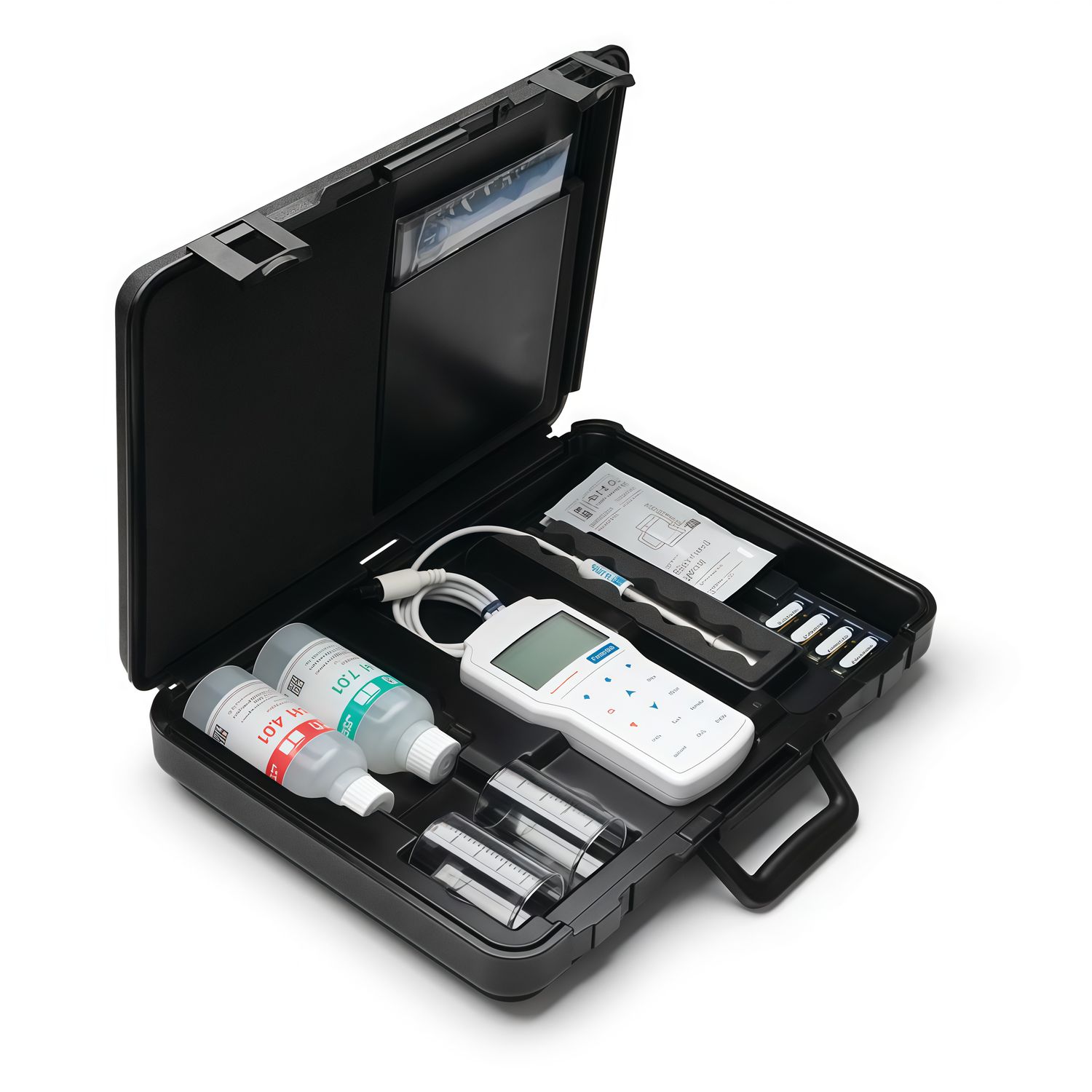
The highlight of this line of machines is the ability to operate directly on the field without having to arrange a separate measuring area. Users only need to quickly calibrate, dip the electrode into the sample liquid and read the results immediately on the screen.
Some models that are popular with many breweries, such as the Hanna HI98167 or Hanna HI99151, are both IP67 waterproof, have sharp displays, and are integrated with automatic temperature compensation to help maintain accuracy in production environments with constantly changing temperatures.