Antistatic other equipment
In ESD-controlled production areas and clean environments, not every critical item is a large workstation or a major piece of facility equipment. Many day-to-day tasks depend on smaller support products that help maintain handling discipline, reduce electrostatic risk, and keep the workspace suitable for sensitive components and materials. This is where Antistatic other equipment becomes especially useful.
This category brings together practical accessories and supporting devices used around electronics manufacturing, inspection areas, cleanrooms, and protected assembly zones. Rather than focusing on a single machine type, it covers a wider range of tools and consumables that support ESD control, operator awareness, material identification, and cleaner handling processes.
Why supporting antistatic equipment matters
An effective ESD program is built from many layers. Flooring, grounding, benches, and garments are important, but smaller support items also play a direct role in maintaining process consistency. Labels, signs, cleanroom paper, seating, and interface accessories help operators follow procedures while reducing avoidable handling errors.
These products are often selected for areas where electrostatic discharge can damage components, where contamination must be limited, or where traceability and visible warnings are required. In practice, support equipment helps connect the technical rules of an ESD-safe area with the daily routines of production, testing, packaging, and maintenance teams.
Typical product roles within this category
This category can include several kinds of auxiliary items rather than one single equipment family. Some products are intended for communication and identification, such as ESD attention signs and labels. Others are used for documentation and routine cleanroom work, while some support operator ergonomics or instrument connectivity.
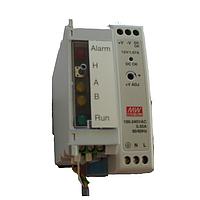
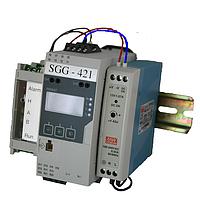
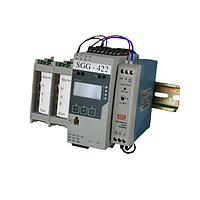
For example, the KLEINWACHTER ASP 113 PC Connection Box is a practical interface device for signal conversion, used where test or monitoring data needs to be connected in a usable format. In a different role, products such as the iSafe R6204B Clean Room Chair support seating requirements in controlled environments, where furniture selection also affects cleanliness and workflow.
Examples of products used in controlled environments
Several representative items in this range illustrate how broad the category can be. The KLEINWACHTER ASP 113 PC Connection Box converts a low-level current output into a voltage output, making it relevant for certain measurement and monitoring setups. This kind of accessory is not a standalone production machine, but it can be important in a complete ESD-aware test environment.
Cleanroom consumables are another example. Statico SPCR85.11 Cleanroom Paper is designed for use where paper-based documentation is still necessary but the environment demands controlled material behavior. Compared with ordinary office paper, this type of product is chosen for compatibility with cleaner workspaces and controlled handling procedures.
Visual management items also belong naturally in this category. Products such as Statico SL065, SL052, and related ESD labels, along with Statico S0320, S0321, and S0322 warning signs or posters, support identification of protected areas, packaging status, or ESD handling instructions. Their value is operational: they help people recognize requirements quickly and follow site procedures more consistently.
How to choose the right equipment
The best selection process starts with the actual task, not just the product name. Ask whether the item will be used for operator support, process communication, documentation, test-system connection, or contamination-sensitive handling. Once that role is clear, it becomes easier to narrow down the suitable type of accessory.
For cleanroom-oriented items, buyers often consider material behavior, compatibility with controlled spaces, and how the product fits the workflow. For ESD labeling or signage, visibility, placement, and intended use matter more than technical complexity. For support devices connected to measurement or monitoring systems, the required signal format and integration logic are usually the key points.
It is also helpful to think in terms of the broader environment. A clean area may need not only labels or paper, but also compatible seating, cleaning accessories, and air-control equipment. If your process involves routine surface maintenance, related categories such as dustcloth and mop products can help complete the workspace setup.
Application areas across electronics and clean manufacturing
Antistatic support equipment is commonly used in electronics assembly, PCB handling, semiconductor-related work, inspection stations, calibration benches, and packaging zones for static-sensitive devices. In these environments, even simple items such as warning signs or labels can improve process discipline by making control requirements visible at the point of use.
Cleanroom and laboratory-adjacent areas may also require this category when operators need compatible paper, chairs, or accessory items that do not conflict with controlled-environment practices. In workflows that involve filtered workspaces or localized protection, related systems such as clean benches may be part of the larger solution, while this category covers the supporting items used around them.
Brands commonly considered in this category
This product group may include solutions from manufacturers known for ESD and cleanroom support applications. Among the brands frequently considered are KLEINWACHTER, iSafe, and Statico, each represented here through different types of support products rather than one uniform device family.
Selection should be based on fit for purpose. A brand associated with labels or signage may be appropriate for visual control and packaging identification, while another may be more relevant for interface accessories or cleanroom furniture. Other established names in the wider ESD ecosystem, such as Static Solutions, Vessel, and KESD, may also be relevant depending on the surrounding process and equipment strategy.
Building a more complete controlled workspace
Because this is a mixed support category, it is often used alongside other cleanroom and ESD product groups rather than purchased in isolation. Teams planning a protected work area may combine support items from this section with airflow and entry-control equipment, depending on the process sensitivity and cleanliness requirements.
For example, facilities with stricter contamination control may also review options such as air showers for personnel entry management. In the same project, smaller accessories from this category can then help complete operator communication, traceability, and daily-use readiness at the workstation level.
Choosing with process consistency in mind
Smaller accessories are easy to overlook, yet they often make the difference between a partially controlled area and a well-managed one. Clear signage, suitable documentation materials, compatible seating, and practical connection accessories all contribute to smoother routines and fewer avoidable mistakes.
When reviewing products in this category, it helps to evaluate where each item fits in the workflow: at the bench, at the entry point, in documentation, in handling, or in test-system support. A thoughtful combination of these items can strengthen both cleanroom practice and electrostatic protection without adding unnecessary complexity.
Get exclusive volume discounts, bulk pricing updates, and new product alerts delivered directly to your inbox.
By subscribing, you agree to our Terms of Service and Privacy Policy.
Direct access to our certified experts