Electric calibrator
Accurate electrical testing depends on having a reliable reference. In maintenance labs, production environments, and calibration workflows, an electric calibrator helps technicians source or verify electrical signals with known accuracy so instruments can be checked, adjusted, and documented with confidence.
This category brings together equipment used for voltage, current, resistance, frequency, phase, and related electrical calibration tasks. The range covers compact field units for loop and signal simulation, as well as high-performance bench systems for broader metrology and multi-parameter calibration work.
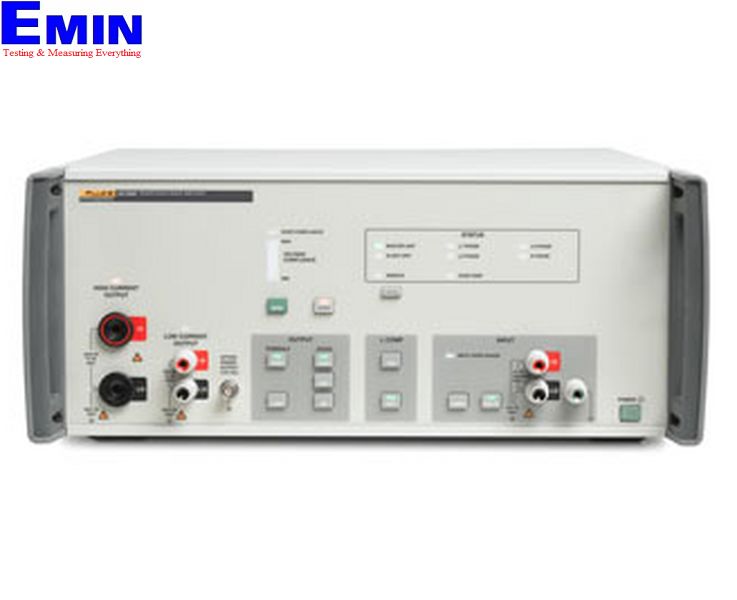
Where electric calibrators are used
Electrical calibration is relevant anywhere measurement quality affects safety, process stability, energy accountability, or product performance. Typical use cases include verifying handheld multimeters, checking panel meters, testing process signal loops, validating power measurement setups, and supporting calibration laboratories that need traceable reference outputs.
Depending on the task, users may need a simple source for DC voltage and current, or a broader platform that can generate and measure multiple electrical quantities. For facilities working across several instrument types, it can also make sense to compare this category with multifunction calibrators when a single platform must cover a wider workload.
Common signal types and calibration scope
The scope of an electric calibrator can vary significantly. Entry-level and portable devices often focus on core source functions such as DC voltage and current, which are especially useful for transmitter checks, loop testing, and basic bench verification. A good example is the Triplett PCAL200, a compact source calibrator designed around practical low-level voltage and current output tasks.
At the other end of the range, advanced systems support multi-quantity calibration across DC and AC voltage, DC and AC current, resistance, capacitance, frequency, and temperature-related electrical simulation. Instruments such as the MEATEST 9010+ Multifunction Calibrator and the Fluke (Calibration) 5730A illustrate how one platform can support demanding laboratory and service applications where flexibility and long-term accuracy matter.
Examples of equipment found in this category
Some products in this category are best understood as complete calibration sources, while others play a supporting role in specialized electrical test setups. The Sanwa STD5000M is an example of a practical calibrator for standard electrical ranges, while the Triplett PCAL200 and PCAL200-NIST are suited to straightforward voltage and current sourcing in portable workflows.
For broader bench capability, the Fluke (Calibration) 5540A and 5550A multi-product calibrators are designed for users who need to address many instrument types from one system. The MEATEST 9010+ also fits this higher-capability segment, with support for a wide set of electrical quantities and interfaces useful in controlled calibration environments.
There are also more specialized solutions. The MTE CheckMeter 2.3 genX is oriented toward testing of electricity meters in three-phase applications. Clarke-hess products such as the 515 High Accuracy AC Reference Source, 5600 Precision Phase Standard, and 8210/8200 transconductance amplifiers are relevant where AC reference generation, phase control, or precision current amplification are part of the calibration chain rather than stand-alone general-purpose calibration.
How to choose the right electric calibrator
Selection usually starts with the instruments you need to verify. If your routine work is mainly process loop troubleshooting, a portable source with DC voltage and current output may be sufficient. If you support multimeters, power analyzers, bench instruments, or mixed workloads, a higher-end calibrator with wider ranges and more functions will typically be more efficient.
Next, look at the required accuracy, signal type, and operating environment. In many B2B settings, the real decision is not just range, but whether the calibrator can maintain stability over time, support your uncertainty targets, and integrate with your workflow through interfaces such as USB, Ethernet, RS232, or GPIB where applicable.
It is also important to consider whether you need source-only capability or both sourcing and verification within a broader calibration process. When the workload extends beyond electrical quantities alone, related categories such as temperature calibrators or pressure calibrators may be useful for building a more complete maintenance or laboratory setup.
Portable units vs bench and laboratory systems
Portable calibrators are typically chosen for field service, commissioning, and maintenance. They are easier to carry, faster to deploy, and well suited to routine checks on transmitters, indicators, and control loops. Battery-powered devices can be especially helpful when working in panels, remote plants, or service calls where mobility matters more than broad signal coverage.
Bench and laboratory systems are better suited to higher accuracy requirements, wider output ranges, and more advanced functions such as AC waveform generation, resistance simulation, phase control, or expanded current capability through companion accessories or amplifiers. These instruments are often used in calibration labs, quality departments, and repair centers where repeatability, traceability, and automation have a direct impact on throughput.
Brands and solution ecosystems
This category includes products associated with recognized calibration and test brands such as Fluke (Calibration), SANWA, Triplett, Clarke-hess, MEATEST, and MTE. Each brand tends to fit different priorities, from compact maintenance tools to advanced metrology platforms and specialized power or phase reference equipment.
For buyers, the brand matters less than the fit between the instrument and the application. A maintenance team may prioritize portability and ease of use, while a calibration lab may focus on uncertainty performance, interface options, warm-up behavior, and compatibility with established procedures. In specialized power and reference applications, manufacturers such as Clarke-hess can be relevant where phase, frequency, or current drive capability is central to the workflow.
Key considerations before purchasing
Before choosing a model, it helps to define the actual calibration workload in concrete terms: what quantities need to be sourced or measured, what ranges are required, what level of accuracy is necessary, and whether the instrument will be used in the field or on a controlled bench. This avoids overbuying on features that are rarely used while still protecting against gaps in capability.
You should also review practical factors such as calibration interval, warm-up time, connection interfaces, and how the unit fits into your documentation process. In regulated or quality-sensitive environments, traceability and service support are often just as important as headline specifications. For some users, that may mean choosing a portable source with a documented certificate path; for others, it may mean investing in a high-performance reference platform for long-term laboratory use.
Finding the right fit for your calibration workflow
The right electric calibrator depends on whether your priority is field efficiency, broad electrical coverage, or high-accuracy reference performance. Compact models support everyday voltage and current tasks, while advanced systems cover a much wider range of calibration requirements across AC, DC, resistance, phase, and frequency applications.
By matching the instrument to your actual workload, you can build a calibration process that is easier to standardize, easier to document, and more dependable over time. Browse this category to compare portable sources, specialized reference instruments, and full-featured electrical calibration systems suited to industrial maintenance, utility testing, and laboratory environments.
Get exclusive volume discounts, bulk pricing updates, and new product alerts delivered directly to your inbox.
By subscribing, you agree to our Terms of Service and Privacy Policy.
Direct access to our certified experts