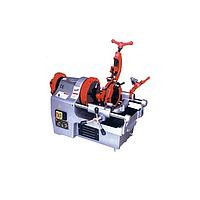
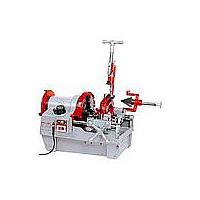
Piper screw cutting machiner
Reliable pipe connections depend on accurate thread preparation. In maintenance workshops, plumbing installation, fire protection systems, and mechanical fabrication, a Piper screw cutting machiner helps create consistent external threads on pipe ends so fittings, valves, and connectors can be assembled with better alignment and sealing performance.
This category is intended for buyers looking for pipe threading equipment used in metalworking and pipe preparation tasks. Whether the requirement is occasional on-site work or more regular workshop use, the key is choosing a machine that matches pipe material, thread size range, operating method, and expected production volume.
Where pipe screw cutting machines are used
Pipe threading machines are commonly used when pipes need threaded ends for mechanical joining. Typical applications include water supply lines, compressed air piping, industrial utility systems, maintenance work, and general fabrication where threaded couplings remain a practical installation method.
In many workshops, these machines are part of a broader process that may also include pipe cutting, deburring, and fitting assembly. In facilities that rely on stable pneumatic systems, pipe preparation often supports downstream equipment such as compressed air treatment equipment, where leak-resistant threaded joints are important for system efficiency and maintenance.
Main components and how they support threading accuracy
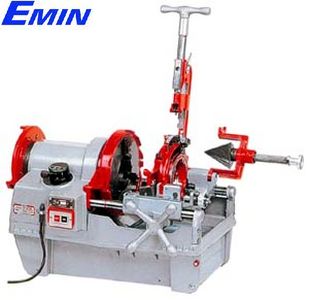
A typical pipe threading machine combines several functional sections that work together during machining. The drive motor provides rotational power, while the clamping mechanism or chuck secures the pipe firmly to reduce slip and maintain alignment during cutting.
The threading die head is the core cutting element. It forms the thread profile on the pipe end, and its condition has a direct impact on finish quality, dimensional consistency, and tool life. Many machines also include a centering arrangement to stabilize the workpiece, plus an integrated cutter for trimming excess pipe length before or after the threading step.
Good clamping, stable rotation, and proper die setup matter just as much as motor power. If any one of these is poorly matched, the result may be uneven threads, difficult assembly, or premature wear on dies and machine components.
Manual and automatic operating styles
One practical way to classify this equipment is by operating method. Manual or mechanically assisted machines are often suitable for lighter workloads, repair jobs, and applications where operators need direct control over setup and cutting progression. They can be a sensible option for lower throughput environments.
Automatic or more highly assisted machines are usually preferred when output consistency and productivity are more important. In larger workshops, operators may need to process multiple pipes with repeatable thread quality, and automation can help reduce setup variation between jobs.
The right choice depends less on labels and more on the actual workload. For example, a service team handling occasional installation work may prioritize portability and simple controls, while a fabrication shop may focus on repeatable performance across a wider range of pipe sizes.
What to consider when selecting a machine
Before comparing models, define the actual job requirements. Start with the pipe materials you process most often, such as steel, cast materials, copper, aluminum, or certain plastics used in utility piping. Material hardness and wall thickness will influence cutting behavior and the level of machine stability required.
Next, check the thread size range and intended duty cycle. A machine used occasionally for maintenance may not need the same output level as one serving a busy mechanical workshop. Buyers should also consider power supply compatibility, die availability, ease of clamping, and how quickly the machine can be adjusted for different pipe diameters.
If the machine will operate alongside other process equipment, overall workflow matters as well. In some industrial environments, utilities and thermal control can influence productivity, especially where adjacent systems such as an industrial water cooler or chiller support nearby machinery in continuous operation.
Why thread quality matters in industrial applications
Pipe threading is not only about making grooves on a pipe end. The quality of the thread affects how well the pipe engages with fittings, how easily installers can assemble the joint, and how reliably the connection performs under pressure or repeated service conditions.
Consistent thread geometry helps reduce rework and installation delays. In practical terms, that means fewer problems with misalignment, less risk of poor sealing, and better compatibility with common connectors used in mechanical and utility systems. For many B2B buyers, the machine is judged not only by speed, but by its ability to produce repeatable results across multiple jobs.
Cleanly prepared pipe ends also support safer downstream handling. This is especially relevant in workshops where threading is just one stage in a larger fabrication route that may include cutting, transfer, packaging, or integration with other process lines such as paper processing machinery or packaging-related equipment in mixed-production facilities.
Brand and product context in this category
This category currently includes equipment from METABO, a manufacturer known in the industrial tool segment. The visible product mix in the broader catalog may include both directly relevant machines and other power tool solutions, so buyers should focus on the intended application of each listing rather than assume every item serves the same pipe-threading task.
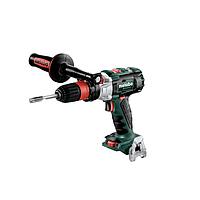
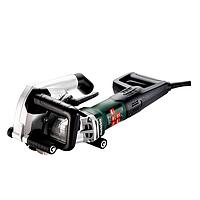
For example, products such as the METABO MFE 40 Wall chaser are designed for groove cutting in walls, while the METABO GB 18 LTX BL Q I Cordlesss tapper is associated with tapping tasks in threaded hole preparation. These examples are useful for understanding the wider tooling ecosystem, but for pipe work the priority remains selecting equipment specifically suited to external thread formation on pipe ends.
This distinction is important in technical procurement. A category page may sit within a broad industrial machinery structure, yet buyers still need to separate pipe threading equipment from adjacent cutting, drilling, or tapping tools that serve different machining purposes.
Maintenance and operating practices that improve service life
Even a well-chosen machine can perform poorly if operating practices are inconsistent. Regular inspection of dies, clamping parts, and cutting surfaces helps maintain thread quality. Worn tooling can lead to rough threads, poor fit, and higher operator effort.
Keeping the machine clean after use also helps, especially where metal chips and cutting residue may affect alignment or die movement. Operators should verify that the pipe is properly secured before each run and that the machine is used within its intended load range.
For businesses managing multiple fabrication processes, preventive maintenance is often more cost-effective than corrective repair. Stable machine condition supports predictable output, shorter downtime, and better overall control of installation or workshop schedules.
Choosing with the application in mind
The most effective buying approach is to start from the job, not from a long list of model names. Consider the type of piping system, the frequency of use, operator experience, and whether the machine will be used on site or primarily in a workshop. These factors usually reveal the right balance between simplicity, capacity, and repeatability.
A suitable pipe screw cutting machine should help your team produce dependable threads with less rework and smoother assembly in the field. If you are comparing options in this category, focus on threading purpose, machine construction, and workflow fit so the equipment supports both current tasks and future maintenance needs.
Get exclusive volume discounts, bulk pricing updates, and new product alerts delivered directly to your inbox.
By subscribing, you agree to our Terms of Service and Privacy Policy.
Direct access to our certified experts