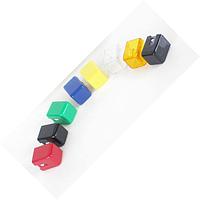
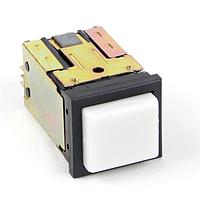
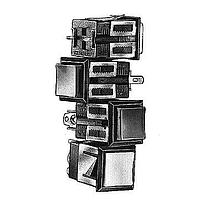
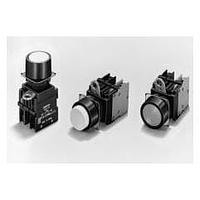
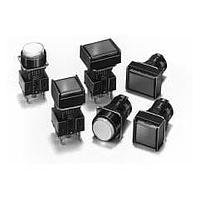
Switch Accessories
Reliable switching systems often depend on more than the switch itself. In control panels, machine safety circuits, operator stations, and industrial field installations, the right Switch Accessories help improve mounting integrity, visibility, protection, identification, and day-to-day usability. For buyers comparing parts for new builds, retrofits, or maintenance stock, this category supports the practical details that make a switch assembly work properly in real operating conditions.
Whether the application involves operator control, machine isolation, or safety functions, accessories are typically selected to match the switch type, mounting environment, and maintenance requirements. A well-chosen accessory can simplify installation, reduce downtime during replacement, and help create a cleaner, more serviceable panel layout.
What belongs in a switch accessories category?
This category generally covers the supporting components used alongside industrial switches rather than the switching element itself. Depending on the design, that can include mounting hardware, protective parts, labeling elements, covers, actuator-related items, and other supporting pieces that complete the installation. These items may seem secondary, but they often have a direct effect on fit, accessibility, and long-term reliability.
In B2B purchasing, accessories are especially important when standardizing panel builds or maintaining installed equipment across multiple machines. Matching the correct accessory to the switch family helps avoid compatibility issues and supports more consistent assembly practices across projects and service teams.
Why accessories matter in industrial switch installations
In an industrial environment, a switch is rarely used in isolation. Operators may need clear identification, added protection against accidental contact, or hardware that improves mounting stability in vibrating or high-use environments. Maintenance personnel may also require faster access for replacement and clearer visual organization inside panels and enclosures.
That is why accessory selection should be treated as part of the overall switch design process. Small supporting parts can influence ergonomics, safety workflow, panel clarity, and replacement efficiency. For OEMs and system integrators, these details matter when building repeatable assemblies at scale.
Common selection criteria
When choosing accessories, the first step is to confirm compatibility with the intended switch series or device format. Even if two switches appear similar, their mounting dimensions, actuator geometry, or fixing method may differ. For this reason, buyers often evaluate accessories together with the target switch platform rather than sourcing them as generic parts.
It is also useful to consider the installation environment. Exposure to dust, vibration, routine operator handling, washdown procedures, or tight panel spacing can all affect which accessory style is most suitable. In many applications, the best choice is not the most complex option, but the one that supports practical installation and predictable maintenance over time.
- Check mechanical compatibility with the switch design.
- Review how the accessory affects panel space and access.
- Consider maintenance frequency and replacement convenience.
- Match protection or identification needs to the operating environment.
Typical use cases across control and safety systems
Switch accessories are widely used in machine control panels, conveyor systems, process equipment, utility cabinets, and operator stations. In these settings, the accessory may support easier actuation, clearer labeling, better panel finishing, or improved protection around frequently used controls. The value becomes even more apparent in high-cycle or safety-related installations where consistency and visibility are important.
For example, accessories may be selected differently for standard operator devices than for safety-oriented hardware. Teams specifying emergency stop switches often pay close attention to visibility, mounting condition, and serviceability, while switch hardware used for routine machine control may prioritize panel organization and operator convenience. Similar logic applies when working with control switches in HMI panels or local control boxes.
Working with established switch manufacturers
For many buyers, accessories are easiest to specify when sourced within a known manufacturer ecosystem. Brands such as Alcoswitch - TE Connectivity, Alps Alpine, Banner Engineering, and CHERRY are often considered when teams want better alignment between the switch body and its supporting hardware. This approach can help reduce uncertainty during procurement, especially in projects where repeatability matters.
It can also be helpful when standardizing across multiple builds or service kits. If your operation already uses components from suppliers such as Advantech or Banner Engineering in broader automation systems, reviewing compatible accessory options within familiar product ecosystems may simplify documentation and maintenance planning.
How accessories support maintenance and lifecycle planning
In industrial purchasing, lifecycle thinking is just as important as initial installation. Accessories can make replacement work faster by preserving mounting consistency and reducing improvisation during service. They also help maintenance teams keep equipment closer to original design intent, especially where panels are serviced over many years or across multiple sites.
This is particularly relevant when switch assemblies are exposed to repeated operator use or periodic inspection. A properly specified accessory can help protect the switch interface, maintain clear identification, and support orderly spare-parts management. In that sense, long-term maintainability is one of the strongest reasons to source accessories carefully rather than treating them as an afterthought.
Related switch categories to consider
Accessory requirements are often shaped by the switch application itself. Buyers working on machine shutdown systems may also need to review cable pull switches for conveyor and line-safety layouts, while isolation-focused projects may involve hardware associated with disconnect switches. Looking at the broader switch context can help ensure that accessory choices fit the actual operating task.
This is especially useful during early project planning, when engineering teams are still aligning panel design, operator access, and maintenance procedures. Reviewing related switch categories alongside accessories can reduce rework later in the procurement cycle.
Choosing the right accessory set for your application
The best way to evaluate this category is to start with the switch function, then work outward to the installation details. Consider who will use the switch, how often it will be operated, where it will be mounted, and what service conditions the assembly will face. From there, accessory selection becomes more straightforward and more relevant to the real application.
For industrial buyers, panel builders, and maintenance teams, the Switch Accessories category is not just about add-on parts. It is about completing the switch assembly in a way that supports fit, clarity, serviceability, and dependable operation across the lifecycle of the equipment.
Get exclusive volume discounts, bulk pricing updates, and new product alerts delivered directly to your inbox.
By subscribing, you agree to our Terms of Service and Privacy Policy.
Direct access to our certified experts