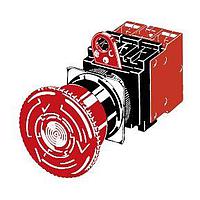
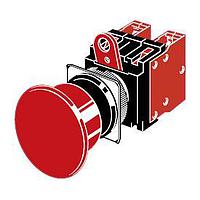
Emergency Stop Switches
When a machine must be stopped immediately, the switching device at that point becomes a critical part of operator protection and process safety. In industrial environments, emergency stop devices are selected not just for visibility, but for dependable actuation, clear status indication, and compatibility with the control architecture already in place.
Emergency Stop Switches are widely used on production lines, packaging systems, conveyors, processing equipment, test benches, and operator stations where rapid manual shutdown is required. On this page, buyers and engineers can explore options suited to industrial control panels and machine interfaces, with models from recognized manufacturers such as Eaton, Honeywell, Banner Engineering, Fuji Electric, and Alcoswitch - TE Connectivity.
Where emergency stop switches are used
An emergency stop switch is typically installed wherever personnel need fast access to a manual stop command during an abnormal event. Common mounting points include machine front panels, pendant stations, enclosure doors, work cells, and distributed operator locations along a line. The goal is simple: make the stop function easy to identify and easy to actuate under stress.
In practice, these switches are often chosen for applications where equipment movement, rotating elements, pinch points, or unexpected process behavior could create a hazard. They are also relevant in systems that require a clear, physical intervention point independent of routine operational controls. For broader operator interface needs, many buyers also review related control switches used for start, reset, selector, or mode functions.
Key functional characteristics to consider
For this category, selection usually starts with the actuation style and how the device behaves once pressed. Emergency stop devices are commonly expected to provide a deliberate manual reset after activation, helping prevent unintended restart. In a machine design context, this distinction matters because the switch is part of a wider safety strategy, not just a basic on/off input.
Other practical factors include mounting format, operator head size, contact arrangement, environmental suitability, and panel integration. Buyers often compare devices based on how easily they fit into existing enclosures, whether they support clear operator access with gloves, and how well they align with established maintenance practices. For projects involving robust industrial switching components across multiple machine functions, manufacturers like Honeywell and MICRO SWITCH / Honeywell are frequently considered.
Choosing the right switch for panel and machine design
The best choice depends on how and where the device will be used. A compact panel may require a switch that fits limited door space, while a larger production machine may benefit from a more prominent operator head for faster identification. Visibility, reach, and placement are just as important as electrical compatibility because emergency devices must be intuitive in real operating conditions.
It is also important to think about the surrounding hardware ecosystem. A switch on a local operator station may need to match other industrial devices on the panel for consistent installation and maintenance. In installations where the stop function must be reachable from multiple positions along moving equipment, engineers sometimes compare local emergency stop devices with cable pull switches to determine which approach better suits the machine layout.
Manufacturer range and industrial compatibility
This category includes products from established industrial and electromechanical component manufacturers. Eaton, Banner Engineering, Fuji Electric, Littelfuse, Honeywell, and Alcoswitch - TE Connectivity are commonly specified in automation and panel-building environments where reliability, serviceability, and broad system compatibility matter.
Different brands may be preferred for different project types. Some buyers prioritize familiarity with a manufacturer already used elsewhere in the facility, while others focus on panel standardization or sourcing alignment across multiple machine builds. Brands such as Advantech, HARTING, and MEAN WELL may also appear in the wider automation ecosystem around control cabinets, interfaces, connectivity, and power design, helping teams keep component selection consistent across the project.
Emergency stop switches within a broader switching system
Although emergency stop devices have a very specific role, they rarely operate in isolation. They are usually part of a larger control environment that may include disconnecting means, operator command devices, signaling elements, and circuit protection. Understanding that context helps buyers select a switch that fits the machine electrically and mechanically without treating the emergency stop as a stand-alone part.
For example, machine builders often evaluate shutdown strategy together with isolation requirements and maintenance access. In those cases, it can be useful to review related categories such as disconnect switches when defining how operators stop equipment in an emergency versus how technicians isolate power for service. This separation of functions is important in industrial design and documentation.
What buyers typically look for on a category page
For B2B purchasing teams, a useful emergency stop switch category page should support more than a simple part search. Engineers may be comparing mounting approaches for a new machine, while maintenance teams may need a compatible replacement for an installed panel. OEM buyers, meanwhile, often want dependable sourcing from manufacturers already approved within their procurement process.
That is why category-level browsing matters. Instead of filtering only by part number, buyers can review the available manufacturer mix, compare product families, and narrow down options based on the machine function they need to support. This approach is especially helpful when standardizing components across several production assets or building a repeatable bill of materials for future projects.
Selection guidance for industrial applications
Before choosing a device, define the application clearly: where the switch will be mounted, who needs access to it, how quickly it must be reached, and how it interacts with the control system. Mechanical fit, operator ergonomics, and maintenance workflow should all be considered alongside electrical requirements. A well-chosen switch supports both safer operation and easier servicing over the life of the equipment.
If you are comparing options in this category, it helps to review the overall machine stop philosophy rather than treating the switch as a generic button. The right emergency stop device should align with panel design, operator behavior, and the wider automation environment. With products from trusted industrial manufacturers and related switching categories available for comparison, this page provides a practical starting point for specifying the right solution.
Get exclusive volume discounts, bulk pricing updates, and new product alerts delivered directly to your inbox.
By subscribing, you agree to our Terms of Service and Privacy Policy.
Direct access to our certified experts