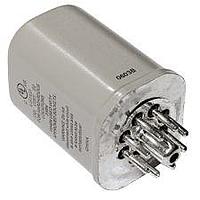
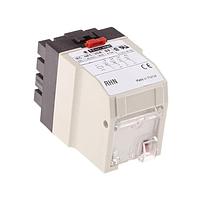
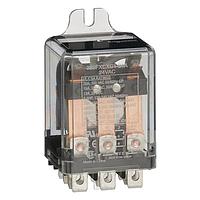
General Purpose Relays
Reliable switching is a small detail that has a big impact on control panels, machinery, building systems, and everyday industrial equipment. When engineers need a practical electromechanical device to open or close circuits in response to a control signal, general purpose relays are often the starting point because they balance flexibility, serviceability, and broad application fit.
On this page, you can explore relay options used across automation, electrical control, and equipment integration projects. Whether you are replacing a worn component, designing a new panel, or comparing relay types for different load conditions, it helps to understand where this category fits and how to choose a suitable device for the job.
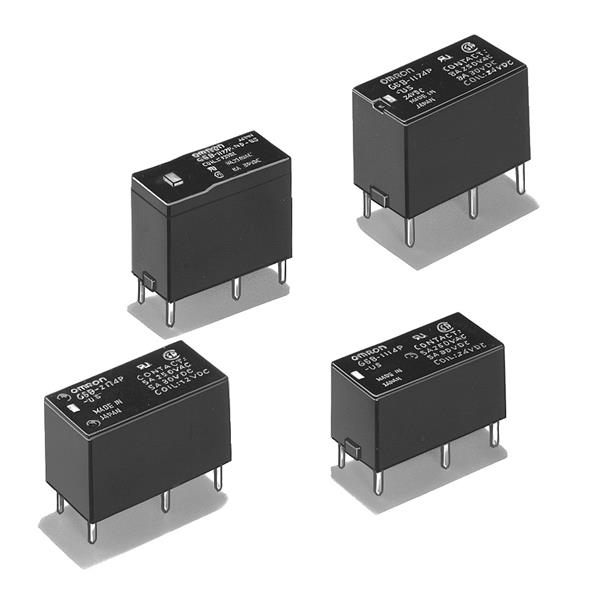
Where general purpose relays fit in real systems
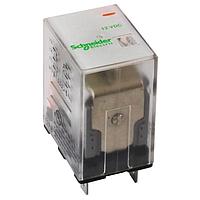
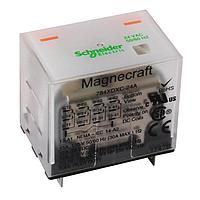
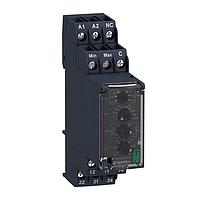
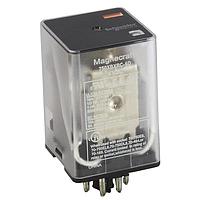
A general purpose relay is typically used to switch a load by energizing a coil and mechanically changing contact state. This makes it useful in circuits where a low-power control signal must operate a separate electrical path for alarms, motors, lamps, interlocks, HVAC functions, or machine logic.
Compared with highly application-specific relay types, this category is valued for its versatile switching role. It is commonly selected for control cabinets, OEM assemblies, maintenance stock, and retrofit work where straightforward operation and familiar wiring practices matter.
Common applications across industrial and commercial equipment
These relays appear in a wide range of environments, from factory automation and process equipment to power distribution support circuits and building controls. They are often used for signal isolation, output expansion, auxiliary switching, and status-driven control sequences.
In many projects, the choice is not just about whether a relay can switch a circuit, but whether it fits the expected duty cycle, installation method, and maintenance approach. For example, designers may compare this category with solid state contactors when silent operation, faster switching, or reduced mechanical wear is a priority.
How to evaluate a relay for your application
The most important step is matching the relay to the actual control and load conditions of the system. That usually means reviewing the coil requirement, contact arrangement, switching current, voltage level, and the nature of the load itself. Resistive loads, inductive loads, and frequently cycled loads can place very different demands on a relay.
It is also important to consider the installation environment. Panel space, wiring access, socket or direct mounting preference, service replacement needs, and expected electrical life all affect selection. In some cases, users comparing compact control devices may also review automotive relays for vehicle-related or mobile equipment applications, although the operating context and standards can differ significantly.
Representative products in this category
This category includes products such as Amphenol PT08P-20-26P(105), Amphenol PT08P-20-26P(151), Amphenol PT08E18-11SZ-025, and Amphenol PT08SE16-26S-LC. These examples show the variety that can exist even within a single relay family, where part-number differences may reflect configuration, connection style, or other application-specific distinctions.
Other listed options such as Amphenol PT08SE12-3SY, Amphenol PT08P84SW, and Amphenol PT08P14-5PY-027 can be useful reference points when buyers need to compare available variants. Rather than selecting by part number alone, it is better to confirm that the device aligns with the electrical and mechanical requirements of the target system.
Manufacturers and sourcing considerations
Supplier consistency matters in B2B purchasing, especially for maintenance teams and machine builders who need repeatable parts across multiple builds. Brands represented in broader relay and control ecosystems include Amphenol, Eaton, Banner Engineering, and several TE Connectivity lines such as Agastat - TE Connectivity, Axicom - TE Connectivity, and CII - TE Connectivity.
When evaluating a manufacturer, buyers typically look at more than availability alone. They may also consider product family continuity, documentation quality, preferred sourcing channels, and compatibility with existing panel design practices. If your project requires a broader switching comparison, the related general relay selection on this site can help narrow options by application context.
When to choose this category over other relay types
General purpose relays are usually the practical choice when you need a familiar, serviceable, electromechanical switching device for everyday control tasks. They are especially useful where manual troubleshooting, visible contact logic, and simple replacement workflows are important.
That said, they are not the answer to every switching problem. If the application involves specialized vehicle circuits, very high switching frequency, or design constraints tied to another relay technology, a more specific product category may be more appropriate. Selection works best when the relay type is matched to the operating environment instead of chosen by habit alone.
Selection tips for engineers, buyers, and maintenance teams
For engineering teams, a good selection process starts with the circuit function: what signal activates the relay, what load is being switched, and what failure mode is acceptable if the relay reaches end of life. That functional view helps avoid overspecifying or underspecifying a component.
For purchasing and maintenance, it helps to standardize around relay families that are easy to identify, reorder, and replace. Keeping part references consistent across panels can reduce downtime and simplify stocking, especially in facilities with multiple machine types or phased retrofit programs.
Find relay options that match your control strategy
Choosing the right relay is ultimately about fit: fit for the control logic, fit for the load, and fit for the way the equipment will be maintained over time. This category is a useful place to compare dependable switching components for everyday industrial and commercial applications without getting lost in unnecessary complexity.
If you are reviewing options for a new design or replacement need, start with the operating conditions and expected switching behavior, then compare available models accordingly. A well-matched relay supports cleaner integration, easier servicing, and more predictable system performance over the long term.
Get exclusive volume discounts, bulk pricing updates, and new product alerts delivered directly to your inbox.
By subscribing, you agree to our Terms of Service and Privacy Policy.
Direct access to our certified experts