Fiber Optic Cables
Reliable optical transmission starts with choosing the right cable for the environment, installation method, and signal path. In industrial networks, telecom infrastructure, data communication, and control systems, Fiber Optic Cables are selected not only for bandwidth and low loss, but also for mechanical durability, routing flexibility, and long-term stability.
On this category page, buyers and engineers can explore cable options used to build or expand fiber links in demanding applications. Whether the priority is backbone connectivity, equipment interconnection, or structured routing inside panels and facilities, understanding cable construction and application fit helps narrow the selection more effectively.
Where fiber optic cables are used
Fiber cable is widely used wherever electrical isolation, high data capacity, and resistance to electromagnetic interference matter. Common use cases include industrial automation networks, factory communication backbones, machine connectivity, building infrastructure, campus links, and equipment-level optical paths in test or control environments.
Compared with copper media, fiber supports longer transmission distances with minimal signal degradation and is especially valuable in electrically noisy areas. This makes it a practical choice for production plants, utilities, transportation systems, and high-density communication installations where signal integrity is critical.
Key cable characteristics to consider
The right selection usually depends on more than one parameter. Buyers often evaluate fiber type, cable construction, jacket material, flexibility, and the intended installation environment before deciding on a product.
Single-mode and multimode designs are suited to different transmission distances and system architectures. In addition, cable structure affects how it performs during pulling, bending, and long-term routing. For indoor installations, compact and flexible designs may be preferred, while harsher spaces may call for more robust mechanical protection and better environmental resistance.
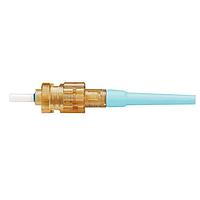
It is also important to think about termination strategy. If the project requires faster installation or standardized mating interfaces, it may be useful to review compatible fiber optic connectors alongside the cable selection process.
Understanding cable construction in practical terms
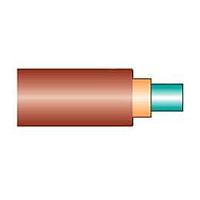
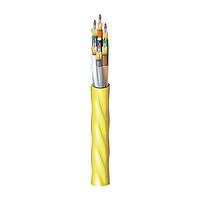
Not all fiber cables are built for the same handling conditions. Some are optimized for fixed routing in cabinets, raceways, or building pathways, while others are intended for repeated movement, tighter bends, or more challenging installation routes. The cable’s outer jacket, buffer style, and reinforcement all influence how well it performs in the field.
For engineering teams, this matters because cable construction affects installation time, service life, and maintenance risk. A design that looks acceptable on paper may become difficult to route in tight spaces or vulnerable to damage if the mechanical demands of the application are underestimated.
How fiber cables fit into the wider optical system
A cable is only one part of the optical link. Performance in the final installation also depends on connector quality, splicing, mating alignment, attenuation budget, and the condition of associated accessories. In many projects, buyers compare raw cable options with pre-terminated solutions to reduce assembly time and improve consistency.
For that reason, teams planning a complete link may also want to evaluate fiber optic cable assemblies when preconfigured lengths or factory-terminated solutions are more suitable. In applications where signal balancing is important, fiber optic attenuators can also be relevant as part of the overall optical path.
Manufacturer landscape in this category
This category can include solutions from established suppliers with broad experience in connectivity, industrial infrastructure, and optical communication. Brands such as Corning, Amphenol, Belden, Broadcom, and HARTING are often associated with fiber-related ecosystems used across communication and industrial applications.
Each manufacturer may emphasize different strengths within the broader optical portfolio, such as infrastructure compatibility, mechanical design, or integration with connectors and interconnect hardware. When comparing options, it is usually more useful to focus on fit for application, cable handling needs, and system compatibility than on brand name alone.
Selection tips for industrial and B2B buyers
For procurement teams and design engineers, a structured approach can reduce mismatches and rework. Start by confirming the transmission requirement, route length, installation environment, and whether the cable will be field-terminated or paired with pre-assembled components. From there, review bend constraints, protection needs, and interface compatibility with the rest of the network or device architecture.
- Match the cable type to the transmission distance and network design.
- Check whether the installation is indoor, protected industrial, or mechanically demanding.
- Consider routing space, bend radius limitations, and handling during installation.
- Verify compatibility with connectors, patching methods, and mating hardware.
- Think about future maintenance, replacement, and expansion requirements.
This approach is especially helpful in projects that involve multiple components across the optical channel. If development or evaluation work is part of the process, related fiber optic development tools may also support testing, validation, or setup work.
Why careful cable selection matters
In fiber installations, small decisions made early can affect long-term network reliability. Choosing a cable with the right mechanical profile and optical compatibility helps reduce installation issues, protect link performance, and simplify future servicing. This is particularly important in industrial and commercial settings where downtime, difficult access, or retrofit work can quickly increase total project cost.
A well-matched fiber cable supports stable transmission while fitting naturally into the broader interconnect strategy. By evaluating environment, handling needs, and system compatibility together, buyers can select products in this category with more confidence and build optical links that are practical to install and maintain.
Get exclusive volume discounts, bulk pricing updates, and new product alerts delivered directly to your inbox.
By subscribing, you agree to our Terms of Service and Privacy Policy.
Direct access to our certified experts