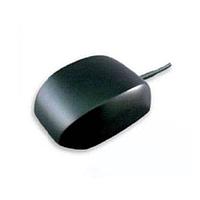
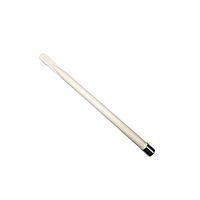
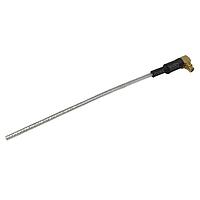
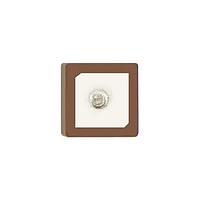
Antenna
Reliable wireless performance starts long before software configuration or network commissioning. In many RF systems, the quality of the signal path depends heavily on choosing the right antenna for the installation environment, operating band, mounting method, and mechanical constraints.
Whether you are building an IoT node, integrating a gateway, upgrading industrial communications, or designing an embedded wireless device, antenna selection affects range, signal stability, interference behavior, and overall system efficiency. This category brings together antenna options used across RF and wireless applications, with a focus on practical selection for engineering, integration, and industrial purchasing needs.
Why antenna selection matters in RF and wireless design
An antenna is the interface between the radio circuit and the surrounding environment. Even when the transceiver, cable, and enclosure are properly specified, poor antenna matching or unsuitable placement can reduce communication reliability, shorten range, or create inconsistent field performance.
In real projects, antenna choice is rarely isolated. It is typically evaluated alongside enclosure materials, connector style, cable routing, mounting position, and the characteristics of nearby electronics. For that reason, buyers and design teams often review antenna requirements together with related RF components such as RF integrated circuits and supporting passive elements used in the signal chain.
Common antenna use cases in industrial and embedded systems
Antennas are used across a wide range of wireless architectures, from compact embedded devices to larger communication nodes. Typical applications include telemetry, remote monitoring, wireless sensors, industrial gateways, edge devices, access control equipment, and connected electronics that rely on stable short- or long-range RF communication.
Different use cases lead to different design priorities. Some projects emphasize compact size and simple integration inside a product housing, while others prioritize external mounting for better radiation performance. In environments with metal structures, moving machinery, or dense electronics, mechanical placement can be just as important as electrical compatibility.
How to evaluate antenna options for your application
A practical selection process usually begins with the target frequency band and the communication standard being used. The antenna should align with the intended operating range of the device and fit the physical design of the equipment, including connector type, available space, and orientation in the final installation.
Engineers also consider gain, radiation pattern, impedance matching, and cable loss where applicable. For compact boards and integrated designs, the surrounding RF layout may influence the final result, which is why antenna decisions are often reviewed together with inductors and other tuning-related components that can affect front-end behavior.
Environmental conditions should not be overlooked. Outdoor exposure, vibration, washdown areas, and temperature variation may require a more robust construction or a different mounting approach than what would be acceptable in a lab or office environment.
Internal, external, and application-driven antenna choices
From a system perspective, antenna formats are often selected based on integration constraints. Internal antennas may support compact product design and simplified external surfaces, while external antennas can offer greater flexibility in positioning and may help improve signal performance when the enclosure or installation location creates shielding effects.
Application-driven selection is often more useful than choosing by form factor alone. For example, an embedded wireless node may prioritize size and ease of assembly, while a gateway or panel-mounted device may benefit from a solution that is easier to service, replace, or reposition during commissioning. If the design also includes identification or short-range contactless functions, it can be helpful to compare requirements with related NFC/RFID components, which often involve different operating assumptions and antenna behaviors.
Manufacturer ecosystem and integration considerations
In B2B sourcing, antenna selection is often tied to the broader component ecosystem rather than a single part alone. Teams may prefer suppliers that also support connectors, cable assemblies, board-level interconnects, or industrial communication hardware. Brands such as Amphenol RF, Amphenol, Belden, HARTING, Advantech, and Adafruit are commonly associated with product ecosystems used in RF connectivity, embedded development, and industrial integration workflows.
That broader ecosystem matters during prototyping and scaling. A technically suitable antenna still needs to fit procurement requirements, connector availability, assembly processes, and long-term maintenance expectations. Looking at the full integration path helps reduce redesign work later in the project.
Related RF components that influence antenna performance
An antenna does not operate in isolation. Cable quality, connector transitions, PCB layout, shielding, and front-end conditioning can all affect measured and real-world results. In some RF paths, designers may also need supporting devices such as an attenuator to manage signal levels during testing, tuning, or system protection.
For this reason, category-level evaluation is often more useful than comparing isolated parts one by one. Reviewing the full RF chain helps procurement teams and engineers identify compatibility issues early, especially when moving from prototype builds to repeatable production assemblies.
Choosing the right antenna for long-term project success
The most suitable option is usually the one that aligns electrical performance, installation practicality, and sourcing consistency. A compact design may call for a low-profile solution, while a harsh industrial setting may favor an approach that supports better placement and more predictable field behavior.
When comparing options in this category, focus on the operating context of the final device rather than a single headline specification. A well-matched antenna supports more stable wireless communication, smoother integration, and fewer surprises during deployment. That makes antenna selection an important step not only in RF design, but also in dependable product delivery and lifecycle planning.
Get exclusive volume discounts, bulk pricing updates, and new product alerts delivered directly to your inbox.
By subscribing, you agree to our Terms of Service and Privacy Policy.
Direct access to our certified experts