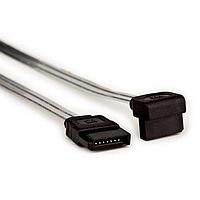
Computer Cables
Reliable system connectivity often depends on details that are easy to overlook. In control cabinets, embedded platforms, industrial PCs, legacy peripherals, and data acquisition setups, the right Computer Cables help maintain stable communication between devices while reducing installation issues, signal loss, and unnecessary downtime.
This category focuses on cable assemblies used for computer and data interconnection in technical environments. Whether the requirement involves internal-style assemblies, compact board-to-board or board-to-I/O links, or traditional interface formats used in industrial equipment, selecting the correct cable matters for both performance and serviceability.
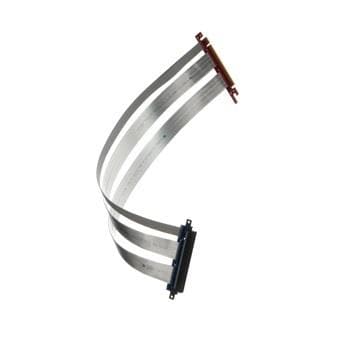
Where computer cable assemblies are typically used
Computer cable assemblies appear in a wide range of B2B applications, from factory automation and machine control to test benches, instrumentation racks, kiosk systems, and embedded computing platforms. In these environments, cables are not only a means of connection but also a practical part of overall system design, influencing routing space, connector compatibility, and maintenance access.
Many projects involve linking controllers, interface boards, storage or communication modules, operator panels, and peripheral devices. Some assemblies are chosen for compact internal wiring, while others support external data paths between equipment. If the application is more interface-specific, related categories such as D-Sub cable assemblies or Ethernet and networking cables may also be relevant.
What to consider when selecting computer cables
The first step is matching the cable to the required connector format and interface architecture. In practical terms, engineers usually start with connector type, pin count, mating orientation, and available installation space. Cable length should then be reviewed in relation to routing path, signal integrity, and service loop requirements rather than simply choosing the longest option available.
It is also important to consider the operating environment. Industrial and commercial installations may require resistance to repeated handling, vibration, or elevated ambient temperatures. For some assemblies, features such as contact plating, shielding approach, and connector retention style can affect long-term reliability, especially in equipment that is moved, serviced frequently, or exposed to electrical noise.
Examples from this category
This range includes cable assemblies from established suppliers such as 3M and Amphenol, both commonly specified in electronics and interconnect applications. Rather than treating every cable as interchangeable, it helps to compare each option by interface style, assembly construction, and intended installation context.
For example, the Amphenol 10125416-4050LF Serial Communications Cables can be considered when an Amphenol-based interconnect option is required for serial communication paths. The 3M range in this category includes multiple variants such as 8ES8-1DF21-0.50, 8ES8-1AA21-1.00, 8ES4-1AA21-0.75, and 5602-34-0142A-500, which illustrates that even within one manufacturer, cable assemblies are offered in different configurations to suit specific connection layouts.
One listed example, 3M 14B26-SZLB-300-0LC, shows how some products may be selected based on more detailed construction criteria, including a plug-to-plug data cable format, defined cable length, 26-position SCSI connectivity, gold-plated contacts, and a specified operating temperature range. These details are useful when compatibility and installation conditions must be checked carefully before procurement.
Common differences between cable types
Not all computer-oriented cable assemblies serve the same purpose. Some are intended for serial communications, some for peripheral interconnects, and others for legacy or specialized data interfaces still found in industrial equipment. Even when two products look similar at a glance, differences in conductor arrangement, shielding, connector gender, and mating pattern can make them unsuitable substitutes.
This is especially relevant in mixed-system environments where newer computing hardware must coexist with established equipment. In those cases, a cable assembly often acts as the practical bridge between generations of hardware. If the requirement is centered more on general IT-style device interconnection, the broader computer cable range can be reviewed alongside product-level specifications to narrow down the best fit.
Why cable quality matters in technical installations
A cable assembly may seem like a minor part of the bill of materials, but in many systems it directly affects communication stability and maintenance efficiency. A poor match can lead to intermittent data transfer, connector stress, difficult routing, or premature replacement during field service. Choosing a cable with the right mechanical and electrical characteristics helps reduce those risks.
For buyers, panel builders, and system integrators, this means looking beyond simple connector appearance. Review the exact product code, interface family, physical length, and any available construction details before ordering. This is particularly important where spare parts must match an installed base or where multiple cable variants exist under closely related naming conventions.
How this category fits into a broader interconnect ecosystem
Computer cables are part of a larger cable assembly landscape that supports different signal types and device classes across industrial and commercial systems. In some projects, they are used alongside networking links, display cables, storage connections, or interface-specific assemblies to complete the overall wiring architecture.
That broader context matters when standardizing procurement or simplifying maintenance planning across multiple platforms. For example, applications involving mixed media connections may also need audio and video cable assemblies, while data-heavy infrastructure may call for dedicated networking cabling instead of conventional computer interface cables.
Choosing with confidence
When evaluating options in this category, focus on the essentials: connector compatibility, cable length, mechanical fit, and the communication role the cable needs to perform. A well-chosen assembly supports clean integration, easier maintenance, and more dependable operation across computers, peripherals, and industrial electronic equipment.
By comparing the available product variants and using the application context to guide selection, buyers can narrow the range quickly and avoid mismatched interconnects. For projects that depend on consistent data links and practical installation, the right computer cable assembly is a small component with a very real impact.
Get exclusive volume discounts, bulk pricing updates, and new product alerts delivered directly to your inbox.
By subscribing, you agree to our Terms of Service and Privacy Policy.
Direct access to our certified experts