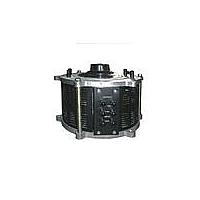
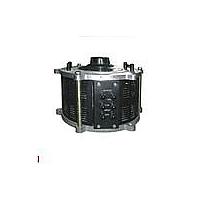
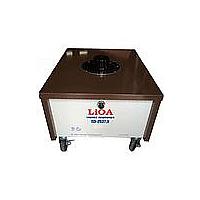
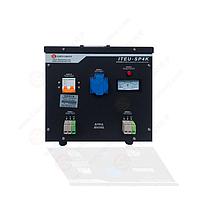
1-phase transformer LiOA
Stable single-phase power is a practical requirement in many workshops, maintenance areas, test benches, and small production environments. When equipment needs adjustable output voltage, controlled AC supply, or a transformer suited to 220V single-phase input, choosing the right product type helps protect loads and makes daily operation more predictable. This page focuses on 1-phase transformer LiOA solutions and related products commonly used for voltage adjustment and power handling in industrial and technical applications.
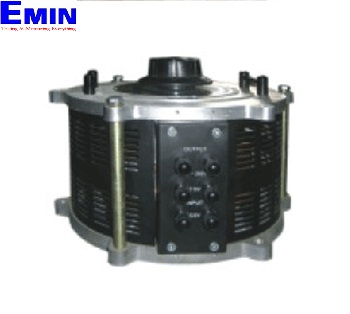
Where single-phase transformers are typically used
Single-phase transformers and stepless transformers are often selected for applications where the incoming supply is 220V and the output needs to be adapted to the load. This can include service departments, electrical maintenance work, laboratory setups, machine commissioning, and product testing where operators need to raise or lower AC voltage in a controlled way.
In practice, these products are useful when powering devices that are sensitive to input conditions or when a process requires a variable AC source instead of a fixed-output transformer. For broader systems that also include isolation or higher-capacity conversion, users may also review the wider power transformer range depending on installation requirements.
Common product types in this category
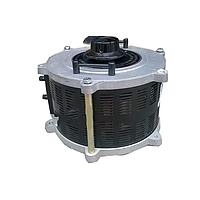
This category is centered on single-phase LiOA transformer solutions, but the overall selection also reflects how buyers typically compare similar equipment across brands and configurations. The most common format is the stepless transformer, also known as a variac-style unit, which allows the output to be adjusted continuously within a defined voltage range.
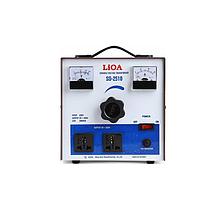
Examples from the current product mix include the LiOA SD-2510 Stepless transformer, the LiOA FTRVC5k, and the Single phase transformer LIOA SD-2537,5. These products illustrate several common selection points: output adjustment range, maximum current, and power capacity. For users comparing different manufacturers, LiOA is a key reference point in this segment, especially for applications that need practical AC voltage control in single-phase systems.
What to check before choosing a single-phase transformer
The first point to verify is the relationship between input voltage, output range, and load demand. Many single-phase units in this category work from a 220V input and provide adjustable output such as 0 to 250V, while some models extend higher depending on design. The correct choice depends on whether you need fine voltage variation for testing or stable supply within a narrower operating window.
The second point is load current and total capacity in kVA. A compact unit may be suitable for bench use or light service work, while higher-capacity products are better suited to heavier loads or longer operating cycles. It is also important to consider built-in protection features such as circuit breakers, overload protection, and basic voltage or current display, because these details can simplify operation and improve safety during routine use.
Representative products and how they fit different needs
For small to medium single-phase applications, the LiOA SD-2510 is an easy example of a stepless transformer designed for adjustable output from a 220V AC input. It fits use cases where technicians need flexible voltage setting for repair, inspection, or controlled power-up procedures. The LiOA FTRVC5k extends that idea to a higher-capacity format, making it more relevant where the connected load is larger or where reserve headroom is needed.
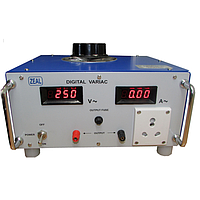
The Single phase transformer LIOA SD-2537,5 is another useful reference for buyers who need a higher current single-phase unit. If your process requires digital indication for easier monitoring, models such as ZEAL ZMDV2, ZMDV5, and ZMDV10 show how some digital variac designs integrate voltage and current display into the same platform. In applications that call for different power architectures, users may also compare with ZEAL products or review other single-phase voltage stabilization options.
Single-phase transformer vs voltage stabilizer
These two product groups are related, but they do not serve exactly the same purpose. A single-phase transformer or stepless transformer is generally chosen when the user wants to transform or manually adjust AC voltage for a specific load or test condition. A voltage stabilizer, by contrast, is more often selected to maintain a steadier output when the incoming mains supply fluctuates.
This distinction matters in industrial purchasing. If the objective is controlled adjustment for maintenance, testing, or powering equipment at a required AC level, a transformer or variac-type unit is usually the more suitable path. If the main problem is unstable utility voltage in daily operation, a stabilization product may be the better fit. For higher-power installations beyond single-phase setups, some users also evaluate 3-phase voltage stabilization as part of a broader power quality plan.
Important operational considerations
In technical environments, proper transformer selection is only one part of reliable use. The installation should match the required input supply, the connected load should remain within rated current and power limits, and the operating environment should be appropriate for the product design. Dry-type enclosed units are commonly preferred where users want a more practical form factor for indoor industrial use.
It is also good practice to look at display method, cooling concept, and protective hardware. Some products in the broader range include digital volt-amp indication, while others use simpler visual indicators or manual adjustment controls. For buyers working across different test and power-conditioning applications, brands such as PRODIGIT and Fushin may provide useful comparison points when the requirement extends beyond a standard LiOA single-phase unit.
How to narrow down the right model
A practical way to shortlist products is to start with three questions: what is the input supply, what output range is required, and how much current will the load draw under normal operation? From there, buyers can compare single-phase models based on capacity, display type, protection features, and whether the unit is intended more for continuous use or intermittent bench work.
If you already know that your system is 220V single-phase and requires adjustable AC output, this category provides a focused starting point. If your application later expands into broader conversion or power management needs, related transformer and stabilization categories can help you build a more complete power solution without overcomplicating the initial selection.
Conclusion
Choosing the right single-phase transformer is mainly about matching the load, the voltage range, and the operating purpose. Within this category, LiOA-based solutions are especially relevant for users who need adjustable AC output for testing, maintenance, and general industrial power applications, while selected products from ZEAL, PRODIGIT, and Fushin help illustrate nearby options in the same ecosystem.
A clear understanding of input supply, required output behavior, and protection needs will make model selection easier and reduce the risk of oversizing or undersizing the equipment. For B2B buyers, that usually leads to a more reliable installation and a transformer setup that fits the actual workflow rather than just the headline specification.
Get exclusive volume discounts, bulk pricing updates, and new product alerts delivered directly to your inbox.
By subscribing, you agree to our Terms of Service and Privacy Policy.
Direct access to our certified experts