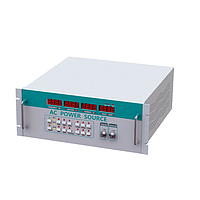
1-phase voltage stabilization
Stable single-phase power is essential for many workshops, offices, retail spaces, small production lines, and residential technical installations. When input voltage fluctuates, sensitive equipment may run inefficiently, overheat, shut down unexpectedly, or suffer premature wear. This is where 1-phase voltage stabilization becomes a practical part of the electrical system rather than just an optional accessory.
On this page, you can explore single-phase stabilizer solutions commonly used to maintain a more consistent output voltage for connected loads. The category is especially relevant for users who need to protect electronics, appliances, control devices, and light industrial equipment operating on single-phase power.

Where single-phase voltage stabilizers are typically used
Single-phase stabilizers are often selected for locations where the mains supply is unstable but the load does not require a three-phase system. Typical examples include office systems, household electrical circuits, point-of-sale equipment, telecom support devices, laboratory support loads, and smaller machinery that depends on steady voltage for reliable operation.
In practice, the goal is not only to keep equipment running. A stabilizer also helps reduce the stress caused by undervoltage and overvoltage events, which can affect motors, power supplies, heating elements, and electronic control boards in different ways. For larger installations or distribution-level applications, users may also compare this category with 3-phase voltage stabilization solutions.
How voltage stabilization works in everyday operation
A voltage stabilizer monitors incoming voltage and adjusts the output to a target level within an acceptable tolerance range. In this category, several listed LiOA models indicate servo-based control, a common approach for continuous voltage correction in environments where supply conditions change during the day.
This operating principle is useful when the incoming line may dip during peak usage or rise above normal levels when the network load changes. Instead of passing those fluctuations directly to the load, the stabilizer compensates for them and delivers a more stable supply. For facilities using single-phase conversion or isolation equipment alongside stabilization, related options in the 1-phase transformer LiOA range may also be relevant.
Representative LiOA products in this category
The current selection highlights several LiOA models across different power levels, making it easier to match the stabilizer to the expected load. Examples include the Voltage Lioa 1KVA DRII-1000 for lighter applications, the Lioa DRII3000 Voltage - 3KVA and Lioa DRII 5000 Voltage 50V ~ 240V-5KVA for broader single-phase demand, and higher-capacity units such as Lioa DRII-10000 Voltage (10 KVA), Lioa DRII-15000 Voltage (15 KVA), and LiOA DRII -20000 Voltage (20KVA).
The product list also includes models described with wide input ranges and overvoltage protection, such as DRI and DRII series units. That kind of range is important in areas where mains voltage is consistently low, unstable, or subject to large variation between peak and off-peak hours. In applications where output conversion rather than regulation is the main requirement, products such as the LiOA 2510 Biến áp and LiOA SD-2515 Transformer point to the broader ecosystem of transformer-based solutions.
How to choose the right stabilizer capacity
The first step is to calculate the actual load requirement rather than choosing only by the nominal power of one device. Many buyers need to account for startup current, especially when the load includes motors, compressors, pumps, or equipment with transient inrush. A stabilizer that is too small may trip, respond poorly under load, or shorten equipment life.
It is also important to consider the incoming voltage condition at the site. Some applications only need correction within a moderate fluctuation range, while others face deep voltage drops and require a unit designed for a wider input window. Models in the DRII series shown here suggest options from around 1KVA up to 20KVA, helping users scale from small circuits to more demanding single-phase installations.
If the requirement is less about voltage regulation and more about voltage conversion or isolation, reviewing the broader Power Transformer category can help clarify the difference before purchase.
Key technical points to review before buying
For B2B buyers, a useful selection process usually starts with a few core checks. These points have more practical value than focusing on model names alone:
- Input voltage range: match the stabilizer to the actual supply conditions on site.
- Output target and tolerance: confirm whether the connected equipment requires a tightly controlled output.
- Rated capacity: include continuous load and startup characteristics.
- Frequency compatibility: verify suitability for the operating power system.
- Protection functions: overload and overvoltage protection can be important in unstable grids.
- Installation environment: ambient temperature, ventilation, and duty cycle affect long-term reliability.
These parameters influence not just compatibility, but also total system stability. In many real installations, the best result comes from choosing a unit with an appropriate operating margin instead of pushing a stabilizer near its maximum rating all the time.
Single-phase stabilizer or transformer: which is more suitable?
This is a common question because the two product groups are related but not identical. A voltage stabilizer is mainly intended to regulate fluctuating input voltage and maintain a steadier output. A transformer, by contrast, is typically used for voltage conversion, isolation, or matching supply characteristics between source and load.
If your equipment is being affected by unstable mains voltage, a stabilizer is usually the more direct solution. If the issue is that the equipment requires a different operating voltage, then a transformer may be necessary. In some systems, both functions are used together depending on the protection and conversion needs of the installation.
Why this category matters for long-term equipment protection
Voltage instability often causes problems that appear gradually rather than immediately. Systems may run hotter, power supplies may fail more often, relays may chatter, and control electronics may become unreliable over time. For operations that depend on uptime, using the right single-phase stabilizer can help reduce interruption risk and improve consistency in daily operation.
This is particularly relevant for businesses that run mixed electrical loads in buildings where supply quality changes by time of day or by season. Choosing the proper capacity, input range, and installation type is therefore less about convenience and more about maintaining operational continuity.
Final considerations before selection
Choosing within the 1-phase voltage stabilization category should start with the real electrical conditions at your site: supply variation, total load, startup current, and the sensitivity of the connected equipment. The available LiOA range on this page provides a useful spread from lower-capacity units to larger stabilizers for heavier single-phase demand.
If you are comparing regulation, conversion, or broader power-conditioning options, it makes sense to review related categories and align the device type with the application. A well-matched stabilizer helps create a more dependable power environment and supports safer, more consistent operation over the long term.
Get exclusive volume discounts, bulk pricing updates, and new product alerts delivered directly to your inbox.
By subscribing, you agree to our Terms of Service and Privacy Policy.
Direct access to our certified experts