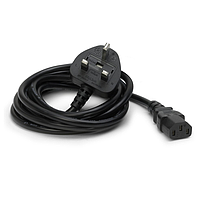
Power Accessories
Reliable power delivery is easy to overlook until it becomes the reason a test setup stops running, a module fails to initialize, or a measurement sequence becomes unstable. In laboratory, validation, and automated test environments, the right power accessories help maintain safe, consistent operation across instruments, chassis, controllers, and peripheral devices.
This category focuses on practical components used to supply and distribute electrical power within NI-based systems. Whether you are maintaining an existing bench setup or supporting a larger automated platform, choosing suitable power cords and related accessories helps reduce compatibility issues and supports smoother day-to-day operation.
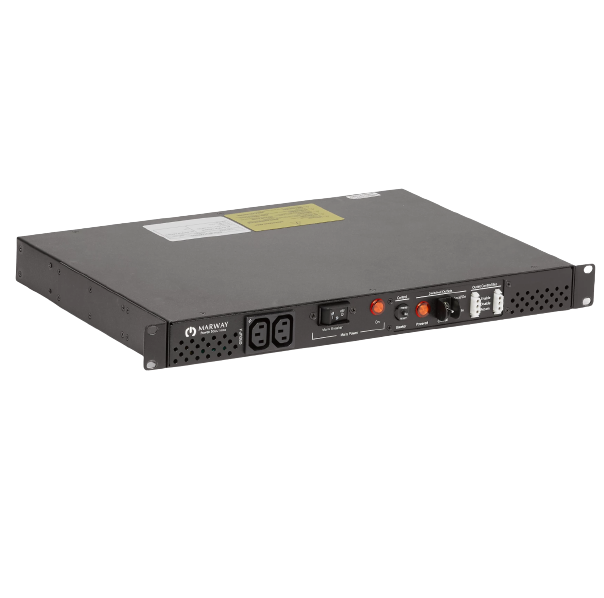
Where power accessories fit in a test and measurement system
Power-related components are part of the supporting infrastructure behind many electronic measurement and automation platforms. They may not be the primary device under test, but they play a direct role in system readiness, uptime, and installation flexibility. In many cases, a mismatch in connector type, input standard, or cable format can delay deployment more than the core instrument itself.
For users working with NI hardware, power accessories are commonly selected alongside controllers, chassis, modules, and other supporting components. This is especially relevant in environments where equipment may be installed across different regions, integrated into racks, or moved between lab and production areas.
Typical products in this category
Within this category, you will typically find accessories intended to power devices by transmitting and distributing electrical power in a safe and compatible way. That includes items such as power cords, connector-based cable options, and region-specific plug formats used with electronic instrumentation.
A representative example is the NI 763064-01 Power Cable. This type of accessory is used to connect equipment to an AC or DC power source, depending on system requirements, while supporting common industry connector formats. Products in this area are often selected based on appliance-side connector style, mains-side plug type, and voltage compatibility rather than on complex functional specifications.
Why connector and regional compatibility matter
One of the most important factors in selecting a power accessory is connector compatibility. In technical environments, the cable must fit both the equipment input and the facility power standard. A suitable option should align with the connector format supported by the device, including commonly used IEC-style interfaces for equipment power connection.
Regional power infrastructure also matters. Different countries and sites may use different wall plug standards, and that affects what can be deployed immediately without adapters or changes to the installation plan. When a system is shipped internationally or replicated across multiple locations, selecting the correct plug type from the start can help avoid unnecessary modifications and simplify rollout.
Choosing the right power accessory for your application
A practical selection process starts with the power input requirements of the instrument or subsystem you are supporting. Users should confirm the device-side connector, power source type, and installation environment. For many industrial and laboratory buyers, the goal is not simply to find a cable that fits, but to ensure that the accessory supports stable operation within the broader system.
It is also useful to consider how the accessory will be used over time. Bench-top systems may prioritize flexibility and easy replacement, while fixed installations may require a more standardized approach across multiple stations. If your setup includes several accessory types, it can also be helpful to review related cable options to keep interconnection and power planning aligned.
Power accessories in maintenance, expansion, and system standardization
Power accessories are often purchased not only for new builds, but also for maintenance and system expansion. Replacing a damaged cord, preparing spare parts for critical equipment, or standardizing accessories across multiple test stations are all common procurement scenarios in B2B environments. In these cases, consistency can be just as important as basic compatibility.
Standardized power components make it easier for engineering, maintenance, and purchasing teams to support installed systems over the long term. They can help reduce downtime during replacement, simplify inventory management, and make multi-site support more predictable. For organizations building complete support kits around NI hardware, related sensors and transducers or other accessories may also be selected as part of the same ecosystem, depending on the application.
Supporting reliability in lab and industrial environments
Even a straightforward power cable contributes to overall system reliability. Stable electrical connection supports repeatable startup behavior, reduces avoidable interruptions, and helps protect workflow continuity in validation, data acquisition, and automated testing tasks. In environments where instruments operate for long periods or are integrated into larger assemblies, these supporting parts should not be treated as an afterthought.
This is particularly relevant when equipment is used across R&D labs, production lines, or service organizations with different operating conditions. A well-matched accessory helps preserve the intended installation method and minimizes the need for temporary workarounds that may complicate maintenance later.
How this category relates to other accessory groups
Power accessories serve a focused role within the broader NI accessory landscape. They address device power input and electrical supply, while other categories may cover signal transmission, measurement interfaces, or sensing elements. Keeping these functions separate during specification helps buyers select parts more accurately and avoid confusion between power, control, and data connections.
If you are comparing broader support items for an NI platform, this category can be viewed alongside other power accessories and complementary hardware groups already used in your system architecture. The best choice usually depends on the installation standard you need to maintain, the equipment being powered, and whether the accessory is intended for replacement, expansion, or new deployment.
Final considerations
Power accessories may be simple components, but they have a direct impact on whether a system can be installed correctly and kept running without interruption. For technical buyers, engineers, and maintenance teams, the key considerations are usually straightforward: connector fit, regional plug compatibility, power type, and alignment with the target NI equipment.
By selecting the right supporting components for your setup, you can make deployment cleaner, maintenance easier, and future replacement more predictable. This category is intended to help you find those practical items that keep instruments and test systems powered in a way that matches real operating requirements.
Get exclusive volume discounts, bulk pricing updates, and new product alerts delivered directly to your inbox.
By subscribing, you agree to our Terms of Service and Privacy Policy.
Direct access to our certified experts