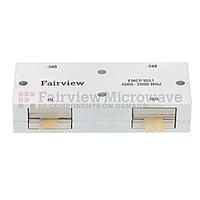
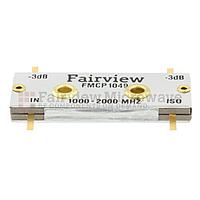
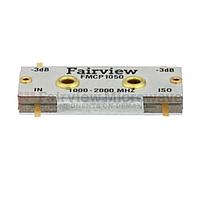
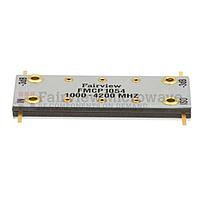
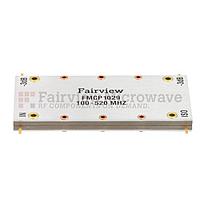
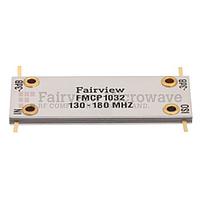
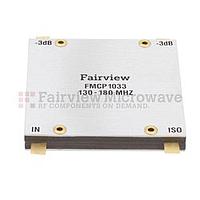
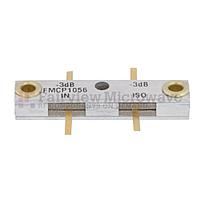
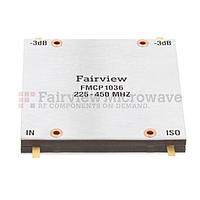
Hybrid
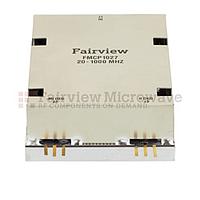
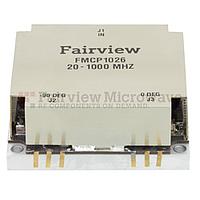
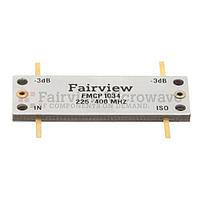
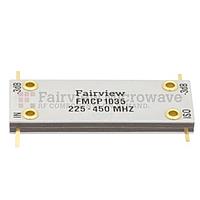
In RF and microwave systems, signal routing rarely depends on a single standalone part. Stable performance usually comes from a combination of passive components that control direction, match impedance, protect ports, and maintain signal integrity across the test bench or installed telecom hardware. This is where Hybrid components become relevant for engineers working with communication links, measurement setups, and high-frequency assemblies.
Within telecommunication components, this category supports applications where power distribution, isolation, attenuation, interconnection, and signal conditioning must work together. Whether the goal is improving measurement repeatability, protecting sensitive equipment, or building a practical RF path between instruments and antennas, selecting the right hybrid-related components helps reduce mismatch, excess loss, and avoidable downtime.
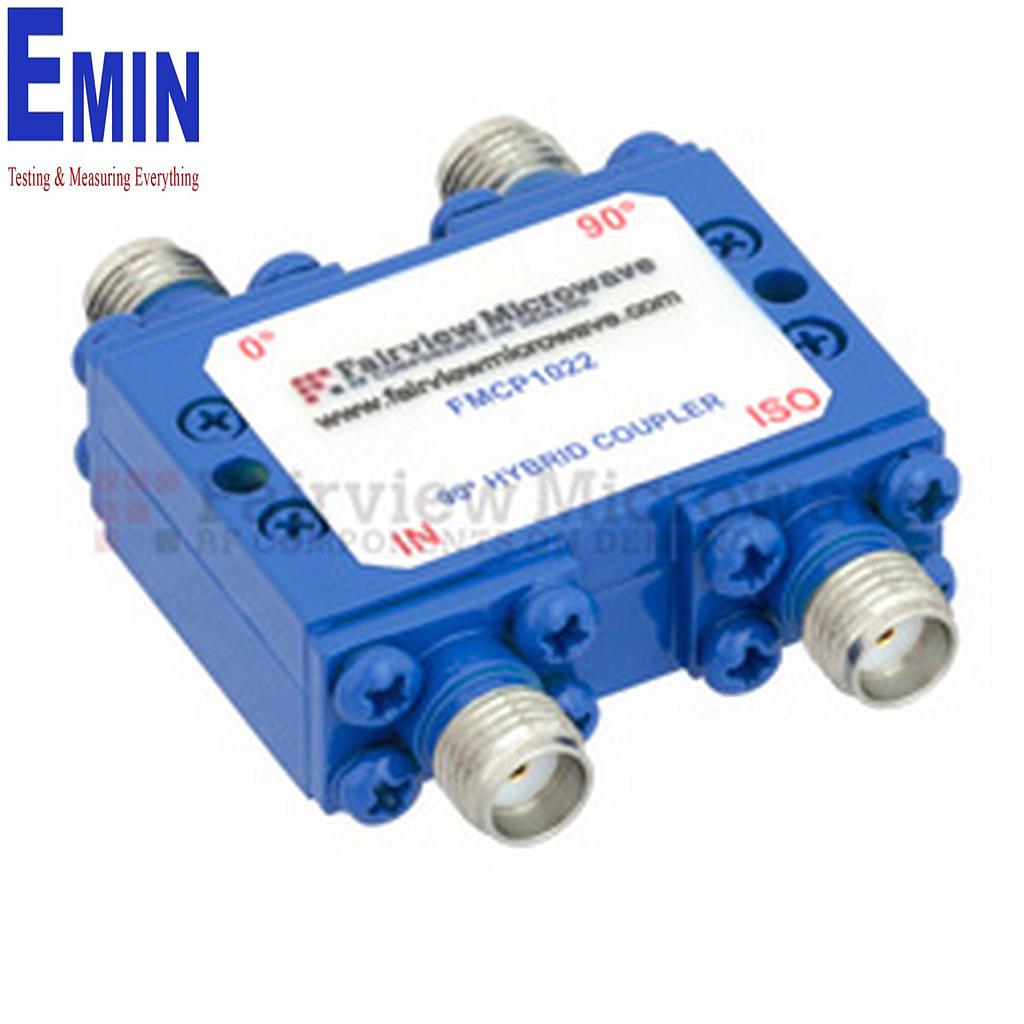
Where hybrid components fit in telecom and RF systems
In practical telecom environments, hybrid-related components are used between sources, loads, analyzers, amplifiers, antennas, and protection stages. They are commonly part of signal chains that need controlled power flow, impedance consistency, and reliable interconnection at frequencies ranging from low RF up to microwave ranges.
This category is especially relevant in laboratories, production testing, wireless infrastructure support, and system integration work. Components such as splitters, terminators, cables, attenuators, and circulator or isolator type devices often appear together because each one addresses a specific part of the same signal-management problem.
Typical component roles inside this category
A useful way to approach this category is by function rather than by part number alone. Some devices divide or combine signal paths, some absorb unused energy, and some improve directionality or reduce the impact of reflections. Others are simple but essential interconnect elements that keep the overall assembly electrically consistent.
For example, a 50 ohm terminator such as the Amphenol RF 132360 is relevant when an unused port must be properly loaded. A fixed attenuator like the Mini-Circuits BW-N30W50+ can help manage power levels and improve measurement stability, while flexible test cables and adapter-style parts support cleaner connections between instruments and DUTs.
Examples of products used in real setups
Several products in this category illustrate the broader ecosystem around RF hybrid and telecom signal handling. The Mini-Circuits ZB8PD-622N+ is an example of a multi-way power-splitting component for applications where RF energy must be distributed across several paths. For directional protection and signal flow control, parts such as the Centricrf CF2040 circulator or the Pasternack PE83IR1005 high-power isolator are relevant in systems where reverse energy can affect stability or damage sensitive stages.
Interconnection quality is equally important. The Mini-Circuits FLC-1M-SMSM+ and FLC-1FT-SMSM+ flexible test cables show how cable selection matters in high-frequency work, especially when insertion loss and VSWR must remain controlled. In a similar way, Pasternack cable assemblies and connector transitions help bridge different interfaces without turning the signal path into a source of avoidable mismatch.
How to choose the right hybrid-related component
The first step is to define the signal path requirement. Engineers typically start with frequency range, impedance, connector interface, allowable insertion loss, and power handling. These basics determine whether a component is physically compatible and electrically suitable for the intended telecom or test environment.
Next, consider the purpose of the device in the chain. If the task is port protection or direction control, an RF isolator solution may be the better fit. If the goal is controlled distribution to multiple outputs, a power divider should be evaluated alongside splitter-style products in this category.
Mechanical details also matter. Connector gender, mating cycles, cable flexibility, and available mounting space can affect long-term usability just as much as electrical specs. For field deployment or repeated lab use, selecting components with appropriate connectors and cable construction can simplify maintenance and reduce intermittent faults.
Importance of impedance matching and low-loss interconnection
In telecom measurement and microwave assemblies, impedance matching is fundamental. A chain built from nominally compatible parts can still perform poorly if transitions are inconsistent or if unused ports are left unterminated. Reflections increase uncertainty, distort readings, and in some cases reduce usable power at the load.
This is why complementary products often matter as much as the main component itself. Adapter parts, cable assemblies, and terminators are not just accessories; they are part of the electrical behavior of the system. When needed, related categories such as RF adapters can help complete a signal chain correctly without forcing unsuitable connector combinations.
Brands commonly associated with this category
Several manufacturers in this range are widely recognized for RF, microwave, and telecom hardware. Mini-Circuits appears prominently in this category with products covering splitters, attenuators, cables, and interface accessories suited to bench and system-level work. Amphenol RF and Pasternack are also relevant when connector quality, cable assemblies, and interface continuity are part of the application.
For direction-sensitive paths, brands such as Centricrf and Pasternack contribute components used in high-frequency routing and protection. The presence of Fluke Network in the broader listing also reflects that telecom support work can extend beyond pure RF passives into cable and network verification, especially when troubleshooting extends from the physical layer into installed communications infrastructure.
Common applications in testing, integration, and maintenance
Hybrid-related telecom components are used in RF test benches, antenna feed paths, distributed signal systems, wireless infrastructure support, and equipment repair workflows. In a development environment, they help engineers validate performance while keeping connections repeatable and traceable. In maintenance work, they support quick replacement of worn links, proper termination of ports, and safer handling of power-sensitive paths.
These components are also useful when assembling modular systems from multiple vendors. A practical setup may include a cable assembly, an attenuator, a splitter, and a circulator or isolator in one chain. Each part may seem simple on its own, but together they determine how well the full telecom system behaves under real operating conditions.
Choosing with confidence
When comparing options in this category, it helps to look beyond the product name and focus on how the component behaves inside the complete RF path. Frequency coverage, connector compatibility, insertion loss, VSWR, power rating, and intended function should all align with the actual telecom application rather than being selected in isolation.
A well-matched hybrid component setup can improve measurement consistency, reduce mismatch-related issues, and make integration more predictable. If your project involves distributing RF power, protecting ports, or building a cleaner microwave interconnect path, this category provides a practical starting point for selecting the components that support reliable telecom performance.
Get exclusive volume discounts, bulk pricing updates, and new product alerts delivered directly to your inbox.
By subscribing, you agree to our Terms of Service and Privacy Policy.
Direct access to our certified experts