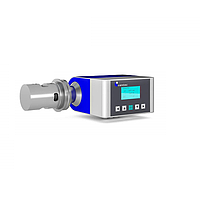
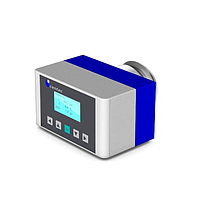
CO2 in liquid meter
Accurate control of dissolved carbon dioxide can make a visible difference in product quality, process stability, and safety. In beverage production, CO₂ affects carbonation, mouthfeel, and package pressure. In laboratory and water-related testing, it can also influence pH balance and process consistency. This is why a CO2 in liquid meter is not simply a convenience tool, but an important part of reliable measurement and quality control.
This category brings together instruments for different operating needs, from portable dissolved CO₂ measurement to chemical test kits and inline monitoring solutions. Depending on the application, users may need a fast at-line device for production checks, a handheld meter for field use, or a fixed sensor for continuous process monitoring.
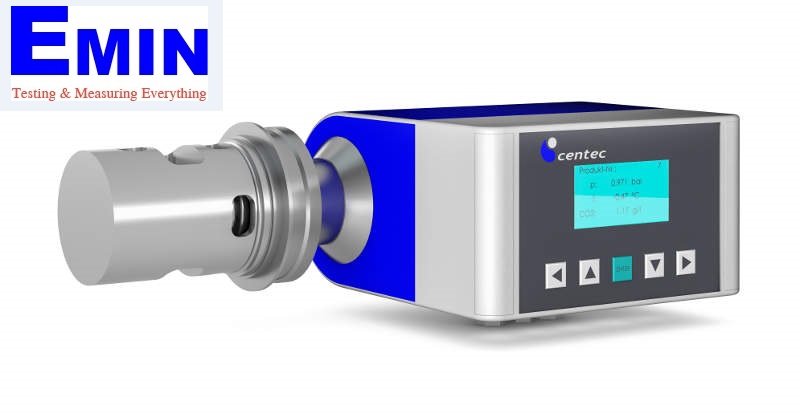
Where CO₂ measurement in liquids matters most
Dissolved CO₂ measurement is especially relevant in carbonated beverages, beer, sparkling products, and other liquid processes where gas content directly affects final quality. If the CO₂ level is too low, the product may feel flat or inconsistent. If it is too high, excess pressure can create filling problems, packaging stress, or variation between batches.
Beyond beverage lines, CO₂ data can also support laboratory work, process checks, and liquid analysis tasks where gas concentration plays a role in chemistry or product behavior. For users handling broader wet-chemistry workflows, related consumables such as reagents for liquid testing may also be relevant alongside selected test methods.
Main types of CO2 in liquid meters in this category
This category includes several measurement approaches rather than a single device format. Portable dissolved CO₂ meters are suitable when operators need to move between sampling points, verify batches, or perform at-line checks near filling and packaging stages. Models such as the Anton Paar CarboQC Craft, CarboQC At-line, and CarboQC Standard illustrate this use case, with different levels of resolution and data handling for routine to more demanding measurements.
There are also inline CO₂ sensors for continuous installation in production processes. Examples include the Anton Paar Carbo 6100, Carbo 6300, and Carbo 5100, which are intended for direct integration into process environments where real-time monitoring is more practical than periodic manual sampling.
For simpler or more traditional workflows, a chemical method may be preferred. The HANNA HI3818 Carbon Dioxide Chemical Test Kit is an example of a titration-based solution for users who need a straightforward testing method rather than an electronic instrument.
Portable, at-line, or inline: how to choose the right setup
The right choice depends mainly on how measurements are taken in daily operation. If the process requires occasional spot checks, quality verification between batches, or mobility across different sampling points, a portable instrument is often the most practical option. Devices like the Anton Paar CarboQC series are designed for this style of work, combining on-site measurement with stored results and portable operation.
If the goal is to monitor CO₂ continuously during production, an inline sensor is usually more suitable. This approach helps operators react faster to process drift and maintain tighter control without waiting for manual sampling. In high-throughput systems, fixed sensors can support more stable production and quicker troubleshooting.
Users comparing liquid analysis tools may also review adjacent product groups depending on their workflow. For example, basic screening or manual chemistry procedures may sometimes involve test paper products for other parameters, although they serve a very different role from dedicated dissolved CO₂ instruments.
What to evaluate before buying a CO₂ in liquid meter
Start with the measurement range and unit format used in your process. Some instruments in this category present CO₂ values in ppm or mg/L, while others are oriented toward beverage applications with g/L and vol. The acceptable range in your process should guide model selection first, especially if you work with highly carbonated liquids or need fine resolution.
Next, consider the operating environment. Portable devices may be preferred for flexible sampling, while inline sensors should match process temperature, pressure, and installation requirements. Data handling can also be important: some instruments support memory functions or communication interfaces that make record keeping and process review easier.
Finally, think about the speed and method of measurement. A chemical kit may be appropriate for occasional testing, but repeated production checks often benefit from a dedicated meter. Where consistency and repeatability are critical, electronic dissolved CO₂ instruments generally provide a more efficient workflow.
Representative brands and product examples
Anton Paar is one of the most relevant names in this category, particularly for beverage-focused dissolved CO₂ measurement. The CarboQC Craft, CarboQC At-line, and CarboQC Standard address portable and at-line applications, while the Carbo 6100, Carbo 6300, and Carbo 5100 extend the range toward inline process monitoring. This makes the brand especially relevant when users need a broader measurement ecosystem rather than a one-off device.
HANNA offers a different approach through the HI3818 chemical test kit, which can fit users looking for titration-based CO₂ analysis. Meanwhile, TESTO and PCE appear in this category with portable CO₂ measuring instruments that may be useful in general measurement tasks, while VAISALA contributes handheld carbon dioxide meter and probe options for users working with portable gas measurement platforms.
Why measurement method and application context both matter
Not every CO₂ instrument here serves the same purpose, even if the product names appear similar at first glance. Some solutions are focused on liquid-process CO₂ control, especially in beverage production, where pressure, temperature, and carbonation must be evaluated together. Others are more aligned with portable carbon dioxide measurement workflows or supporting field checks using handheld platforms and probes.
That distinction is important because selection should be based on sample type, process conditions, and expected output. A beverage producer verifying dissolved gas content on a packaging line has a different requirement from a laboratory user carrying out periodic checks with a chemical kit. Choosing by application first usually leads to a better match than choosing by price or brand alone.
Short FAQ
Can one CO₂ meter cover every type of liquid application?
Not always. Some models are clearly suited to dissolved CO₂ in beverages, while others are better for general portable CO₂ measurement or manual chemical testing. The sampling method and unit range should be checked carefully.
When is an inline sensor better than a portable meter?
An inline sensor is usually the better choice when the process needs continuous monitoring and quick response to variation. Portable meters are more suitable for spot checks, batch verification, and flexible movement between test points.
Is a chemical test kit still useful?
Yes. For occasional analysis or simpler routines, a titration-based kit can still be practical. For faster repeated checks and easier data handling, an electronic meter is often more efficient.
Choosing with process reliability in mind
A suitable CO2 in liquid meter helps users move from rough estimation to repeatable measurement. Whether the requirement is portable dissolved CO₂ testing, at-line quality control, or continuous inline monitoring, the best choice is the one that matches the actual production or testing workflow.
By comparing method, range, installation style, and data needs, buyers can narrow the selection more effectively and avoid mismatched equipment. This category is designed to support that process with instruments from recognized manufacturers and solutions that fit different levels of liquid CO₂ measurement complexity.
Get exclusive volume discounts, bulk pricing updates, and new product alerts delivered directly to your inbox.
By subscribing, you agree to our Terms of Service and Privacy Policy.
Direct access to our certified experts